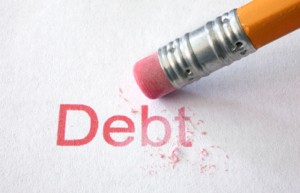
In times of economic stress, people turn to seemingly simple methods for erasing debt and lessening the monthly stress of bills. One of these relief options is debt settlement. Debt settlement is a promising carrot hanging before an overwrought consumer. It's the promise that if the consumer can reach the carrot, 40-75% of his/her debt will be forgiven by the credit agencies. That's a nice prize, if one can reach it.
Debt settlement also goes by the moniker "debt negotiation." Doing exactly what its name claims, it benefits the creditor in that the company receives the majority of its money back and benefits the consumer by relieving a portion of the debt owed. It's not a "get out of jail free" option, however. The negotiation will take months, and it's a risky business.
For those interested in a debt settlement company that works on behalf of the consumer to settle the debt, there's risk there as well. There's risk in finding a reputable company that will do just what it says, and these companies will charge 25-35% of the forgiven total, meaning that the consumer is really only forgiving 15-25% of the original debt.
Creditors will not consider debt settlement unless a person is at least three months behind on payments, preferably six. In order to qualify, the consumer must stop payments to the company, banking what would be the monthly payments for the future payoff. Then, negotiations begin. Ultimately, the creditors want all of their owed money, so they will be tough in negotiations.
The main difference is that debt negotiation doesn't involve the court. There is no risk of losing your home to pay off a bankruptcy, but you will have to pay off the settled debt. You will also be charged a COD, cancellation of debt, tax on your yearly taxes.
While credit companies are at first unwilling to negotiate debt, they would rather a consumer negotiate than file for bankruptcy. When a consumer files for bankruptcy, the credit companies get paid none of the owed amount. In debt negotiation, they receive an agreeable portion of the total.
Another difference is that only smaller loans such as credit card debts, personal loans, and medical bills qualify. Larger loans such as mortgages and fees such as child support and taxes cannot be forgiven.
This page contains the following solutions.
Debt consolidation can offer a great opportunity for people that have amassed large amounts of credit card debt at unfavorable interest rates. You can get lower, more manageable monthly payments and reduce the number of bills you have to pay each month.
If you send in a little extra money on your mortgage, car payments, credit card payments, etc., send a note along with the bill so the company will know it's to be applied to the principal and not the interest.
Here are the questions asked by community members. Read on to see the answers provided by the ThriftyFun community.
Do you have any tips, resources, guides, etc on the various debt consoldation agencies out there? I am trying to find out what is out there and what is legitmate to approach in getting debt consoldated and credit cards paid off. Any info would be great.
Hi, I have been where your at I think. You can consoladate your credit card bills at your local Bank or credit union it will depend on your credit report the higher the points the better the rates. Their are Free debt consoladation services from the Better Business Bureau. But their is a fee I dont know what it is.
debt reliefclearinghouse is a great choice look up on the internet debtintowealth.com greg moore might help you.
Before you go with any debt consolidation resource I would recommend that you check them out through the Better Business Bureau. Better safe than sorry.
If you owe more than 10K you may want to consider bankruptcy. Under Chapter 7 your non-secured debts (with a few exceptions: student loans being one of them) go away and are discharged.