HomeBrowseNewslettersContestsAskShare 
AllGuidesQuestionsVideosBy DateRecent Feedback My AccountAbout Us
Home and Garden > Emergency > Advice on March 07, 2012

Preparing Your Home for an Emergency

Prepare your home for an emergency.We never know when a disaster may strike in our neighborhood, and it's important to have the essentials and a plan ready just in case. This guide is about preparing your home for an emergency.
     

Solutions: Preparing Your Home for an Emergency

Read and rate the best solutions below by giving them a "thumbs up".

Practice Drills Before A Disaster

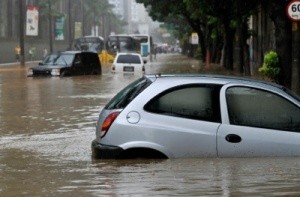
A car in a flooded street I teach in an international school in Tokyo. At 2:45 p.m. on Mar. 10, we had an earthquake and evacuation drill. At 2:46 p.m. on Mar. 11, we had the 8.9 earthquake. Because we had just "rehearsed" the same thing the day before, all 470 students and all staff knew exactly what to do and there was no panic. Most of the time we feel "ho hum, not another drill interrupting my class," but yesterday proved to us that they are very important.

We evacuated to the playground where we waited for parents to pick up their students. Many students live on train lines which were not running. Cell phones and land lines were not working, but we discovered we could use the Internet and Skype. Make sure your children know how to contact you in an emergency! Think through what you would do if you were at work and they were at school. Designate a neighbor or friend to take care of your child if you are unable to get there, and let the school know who it is.

Those who could not return home because of the trains, stayed in the houses of those of us who live near enough to walk. I was scrambling to find an extra toothbrush, but otherwise we had no trouble housing people. Simple living aside, it might be a good idea to keep a few extra toothbrushes around.

Kindness was seen in all directions, from the moment we evacuated to the playground: Children comforted each other; High school students prayed together in huddles; The librarian sat on the ground and read a book to a group of kindergartners and first graders; Staff members and visiting parents who just happened to be there sat near enough to the building to get Wi-Fi on their computers and helped children contact parents.

I think the clincher for me was when the parents of a first grader, who stayed at our neighbor's, picked him up. The mother said, "I had two strangers in my home last night, because we nearly got stuck on the subway together. We were just going to get on the train when the earthquake happened. I couldn't help but invite them to sleep at our house."

This is not a thrifty tip, but it is on my heart today - practice for disaster, be prepared, and most of all, practice kindness every day and it will stay with you in a disaster.

Source: my experience during and after the earthquake

By cantate from Tokyo, Japan

Editor's Note: This is a stock photo, not from the recent damage in Japan.

41 0SharePrintFollow11 Feedbacks

Store Important Items In Dishwasher In An Emergency

If you live in hurricane country, put important papers and photos in ziplock bags the dishwasher when a storm is approaching. The home appliance is heavy, attached to the house. and waterproof, which makes it easy to find after a storm.

By fossil1955 from Cortez, CO

27 1SharePrintFollow2 Feedbacks

Stock and Rotate Emergency Supplies

Since you never know when an emergency is going to happen, I stay stocked up and prepared year round. I have a specific cabinet set up with canned foods, cereals, powdered milk, water, pet foods and other necessities. Anything that doesn't come in a water proof container gets put in one and labeled before going in the cabinet. Everything in there is arranged by month/year. Every 3 months I rotate everything out and restock.
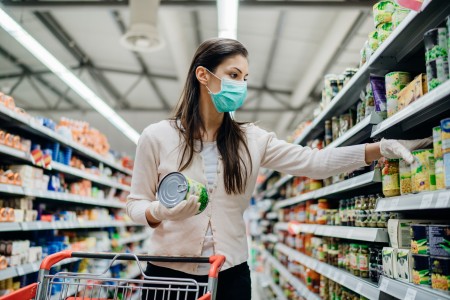
Instead of buying bottled water, which can get awfully expensive when you're buying a lot, when I finish with a 2 liter soda bottle, I wash it out good, then bleach the inside good to sanitize it. After it's been rinsed good, I fill it with water and label it. I can stock a lot more water this way without spending a fortune on buying it. I keep a minimum of 50 two liter bottles of water. This way I don't have to worry about not having enough to cook with, drink, or wash and clean with if we lose water.

As I rotate the water, I put some on a separate shelf for use for cleaning with. That gets rotated only once a year. The rest all gets rotated every 3 months. Everything in the cabinet is dated with the rotation date so there's no mistake about when to do it.

In a spare bedroom (since I don't have a basement or garage), I keep a kerosene heater (kerosene is kept in the shed outside), spare batteries of all sizes, flashlights of all sizes, battery powered lanterns, blankets, battery powered radio TV, and DVD player, books, pens, cat box and litter for my cat.

I also have a 12v stove and coffee maker that I can plug into the cigarette lighter in my car to cook with. This way we are all set in case of loss of power for an extended amount of time.

By Cricketnc from Parkton, NC

None
25 0SharePrintFollow8 Feedbacks

Preparing for an Emergency

Are you prepared for an emergency? Here are the most used and needed items you need in case of an emergency.
  • Be prepared for almost every emergency with lots of canned food items. You should also store water and a hand can opener with the food. Make sure you have meats that are canned as they give you energy.

  • Have an alternate heat source available should you lose your electricity.

  • Keep a first aid kit ready at all times. This includes blankets and a full medical kit.

  • Make sure you have medication for the whole family stored in a leak proof container.

  • Make sure you have a cell phone and your charger. Have the car charger as well as an electric charger.

  • A battery operated radio will assist you if the power is out and an evacuation is in place.

  • Have a full set of clothes for each family member.

  • Keep some cash stored away just in case you should need it.

  • Be sure you have an address book or phone numbers stored in your phone or a booklet that you can grab quickly. Put it in your first aid kit.

  • If you are evacuated, take a permanent marker and write everyone's name on their arm along with any allergies, just in case you get separated. (You may wish to add your address as well.)

I am sure there are many more ideas, but these are important ones that everyone should think about in case they are evacuated or lose power. Hopefully you may never have to use this list but it is always best to be safe.

By Gem from VA

17 0SharePrintFollow4 Feedbacks

Prepare a Disaster Bin For Emergencies

I live in southeastern NC and although we don't get the full force of hurricanes like you do in FL, we do get the damaging winds, rains, and tornadoes spun off from the storms. So keeping disaster bins is important here too. I am always amazed at how many people here don't have them.

I keep 4 bins here. Two to be used in warm weather, and two for cold weather. There are a lot of duplicates in all 4, such as non perishable foods, pet foods, rawhides, and treats, water, flashlights, batteries, radio, pet supplies, including leashes and collars, a blow-up air mattress that will fit in the back of my car with a 12V inflator, sheets, pillows, and blankets suitable for the season. I also keep in each, a list of what clothing to grab for that season, and a list of all prescription and non-prescription meds, along with any other medical supplies (in my case I'd have to grab my TENS machine and the supplies to go with it).

I also keep copies of all items in my wallet. All of these are laminated to prevent damage to the lists. And there is one copy in each one of the 2 seasonal bins. Another list I put in there is a list of everything in my house, along with all the pertinent information for each and, if possible, a picture of each. And last but by no means least, a close-up and current picture of myself, my husband, and each of my pets.

For the pets, I include all their veterinary history and shot records, most importantly their rabies shot dates and when they are due again, and the rabies tag numbers, and all the information on the chips I had implanted in them.

Also, in an envelope I keep 5 money orders in each season's bin in the amount of $100.00 each. Yes it's a lot, and yes it took me a while to save it up, but if the situation arises, I won't be broke. Once every 5 years, I cash the money orders in and buy new ones in the same amounts. This way I know they are current. By having $100.00 increments instead of one $500.00, it makes it easier to cash them. And money orders do not expire. I also keep a credit card in each of these envelopes. I keep a credit card with a $500.00 balance on each. Four times a year, I take each credit card and buy one tank of gas for the car, and pay it off immediately. This keeps the cards from expiring from lack of use.

Something else I do is when I buy a car, I make sure it's one that would be at least fairly comfortable to live in for a few days. My pets are among the most important parts of my life, right up there with my husband. So I refuse to be separated from them. If I ever have to evacuate (it has happened here), many times I can't find a hotel or motel that will accept pets. Or if I do they want an arm and a leg for it. So we find a good rest area, or sometimes I've simply pulled into a motel parking lot, but change every night, and sleep in the car. The best places I've found to park like that, are major truck stops, such as Flying J, Petro, TA, etc. I park the car as close to the truck parking area as I can, and also no more than 2 rows back from the building. As a former trucker myself, and the wife of one now, I learned that truck stops can be the safest place to stop overnight.

In these bins, anything that is paper is laminated and put into a plastic folder. Anything else (pet foods, snacks, meds, etc) gets put into doubled plastic Ziploc bags.

And one last thing; I also grab one or two books, crossword puzzle books, and my portable DVD player with some DVDs. This will keep the boredom at bay for me.

Oh, since I have a bird too and his cage would take up most of my car, I keep a small "travel" cage for emergencies. He'd be quite confined, but he'd be safe and with me. When I had a hamster I did the same thing. I'm actually using the same travel cage that I used for the hamster.

By Cricket from Parkton, NC

15 0SharePrintFollow2 Feedbacks

Are You Ready For An Emergency?

I had planned on writing something totally different, hear that, PLANNED! We can plan, think ahead and still we do not really know for sure what's going to happen tomorrow. I live in Southern California now but, in my life, I have lived through the worst snow storm, horrible flooding, the riots in LA, many earthquakes just this year, and a tsunami which they thought would wipe out the entire West Coast. My family in Louisiana has endured several hurricanes.

Being prepared for unexpected emergencies is important. If you didn't think so before, look at the East Coast this week. Many have experienced their first earthquake and now the worst hurricane in decades. I'm sure not one person was prepared for a natural disaster in the summer of 2011. Since we all know now, there isn't a way of knowing for sure we can still be prepared with what I have learned living where earthquakes happen. My family has lived through times when power lines are down, no electricity, phones, etc..

What everyone recommends is 3 days worth of everything such as WATER; drinking water and water for cleaning yourself up. In a case where we know it's going to hit, have everyone take showers or bathe and be clean. Fill tub up with water. If you do have a back yard, porch or balcony, you may want to fill buckets or tubs with extra water. Putting water in pots on the stove can work also.You may or may not have electricity or running water, you've got to think ahead. Remembering DRINKING water is the most important so 3 days worth of fresh, clean water!

Food is the same rule, since we don't know how long electricity might be down. You need to get non perishable items like tuna, bread and peanut butter. Pop some popcorn up, it stays fresh quite easily in a grocery bag. I eat organic but rules may need to be broken on what kinds of food last without refrigeration so plan for at least 3 days. Any canned items, juices, Gatorade, or snacks will be very tasty, if needed. If subways, buses, roads or traffic lights are down, you aren't going anywhere for a little while at the very best.

You will need batteries (make sure you have plenty), a portable radio with AM/FM, have all cellphones charged, have charger packed with suitcase, if possible. Have candles, flashlights, matches or lighter, first aid kit just in case. Your usual things need to be in first aid kit: antiseptic, band aids, aspirin, etc. Baby wipes, paper towels and hand sanitizer are a must to stay clean without using water. Also VERY important, have 3 days worth of prescription medicine. If possible, get medications refilled.

Have important papers put in a case next to bags in case of having to evacuate. Remember what's really important. Every material item can be replaced, however important documents can be very hard to track down.

I think having a bag or suitcase ready is a good idea. You never know if there may be an evacuation. Having it ready ahead of time means less stress in an already stressful situation. Have all cars filled with gas, battery checked, oil and tires filled, just in case. It's better off being done. If it's not needed, you have saved yourself a trip when it all passes. If you live where you can have an extra gas can filled with gas, it may not be a bad idea.

Have things to keep yourself occupied, such as cards or games that you can play or paper and coloring books for the kids. If you have small Gameboy type thing, this is one time you will not be putting a time limit on it. If children are busy and you aren't acting like you're afraid, they wont be either. Have blankets and pillows out and ready in case lights are off. Don't worry, you can easily put them back when the emergency is over.

I hope this at least gave you a few much needed ideas and got you thinking.

By Luana M. from San Diego, CA

11 0SharePrintFollow1 Feedback

Booklights in Home Emergency Kits

Add a few "booklights" to your emergency kits. Mine came in very handy during the recent blackout. I just clipped it to the front of my shirt and as it is adjustable I just pointed it where I wanted it and had a hands free flashlight!

The ones with the LED lights are great. You can also use them on the counter, table, and in the bathroom. Don't forget extra batteries.

By Jane A. from Vista, CA

10 0SharePrintFollow3 Feedbacks

Storm Preparation

With the storm bearing down on the Eastern seaboard, I thought I'd share some things I learned while living on the Gulf Coast. In addition to "store bought" water, I always kept several clean milk jugs to save tap water before the storm. This can be used for making coffee, tea or other things, thereby saving bought water.
I went around and sprayed all my door and window sills with Raid. I found out the hard way that outside critters do have enough sense to come in out of the rain.

If you go ahead and cook meat that is in the freezer, you can keep it in your ice chest and eat it over a day or two. A stovetop percolator is a really handy thing for those of us who must have coffee. It can be used on a grill or camp stove.

Another thing I did was to spray the outsides and around the dirt in my large pots before bringing them inside. It won't hurt the plants and will keep unruly critters out of your house.

Most of your helping agencies will have a list of Dos and Don'ts but these are some things I found to be helpful on my own.

By Marty Dick

4 0SharePrintFollowPost Feedback

Prep Bathrooms For Dangerous Storms

When dangerous weather strikes, be prepared in advance by having a couple of very easy things in place beforehand. First, be sure to keep a couple of cloth shopping bags tucked away under your sink or in a cabinet to quickly put away all bathroom items that could fly around and cause injury. You can fill these quickly and remove the bags from the bathroom during the storm.

Also, keep strong tape in your bathroom to tape towels over glass mirrors or shower doors. Flying glass can cause severe injuries and a little pre-planning can keep you out of harm's way!

By Carol from Lebanon, TN

2 0SharePrintFollow2 Feedbacks

Packing Away Fuel For Emergencies

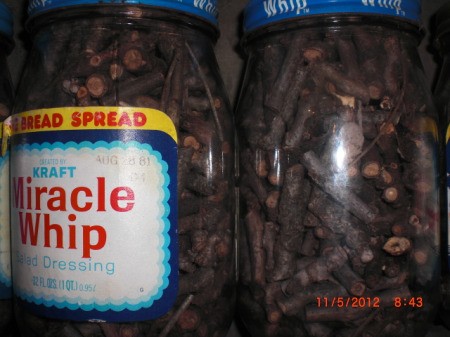
Packing Away Fuel For Emergencies  - small sticks in jars. Save some dry wood cut into small pieces in old recycled jars. Pat down to pack it or carefully pack it from the top, using a hammer to further break pieces so more will fit. You could also place small bits of paper to ensure your fire will start. You don't want to be caught with none. Tighten the lid and store.

Wait for emergency. You have small bits of fuel for cooking or staying warm all ready. All it cost you was the work and empty jars that were probably destined for the trash.

You can read my tribute here: My Mother Lived For "Someday"

Source: I originally got inspired watching a video on this channel. I don't know if this is the video he shows his cooking fuel (sticks) in a plastic peanut butter jar or not, but in one of his videos he does.

I was also led to purchase that stove, just so I could use the fuels laying around my yard. With walnuts available as well, I will have a good go at any emergency that comes our way! The hulls burn hot though, so be aware.

By melody_yesterday from Otterville, MO

Packing Away Fuel For Emergencies - sticks in jars
2 0SharePrintFollowPost Feedback

Freeze Water Containers for Emergencies

This is an excellent suggestion that was printed recently in our local paper as a tip for power failures during storms: make freezer packs by placing water filled water jugs, plastic pop bottles, or gallon ice cream containers in the deep freeze.

These can be used in the freezer or refrigerator during outages to help keep them cold. If the door is not opened too much it should help to keep the food frozen for several days. As a hurricane approaches us I now have as many in the freezer as I had room for.

By mother of 5 from Nova Scotia

2 0SharePrintFollow2 Feedbacks

Disaster Preparation PDF

Here's a great .pdf file with information about emergency preparedness, preparing your house, surviving during and after an emergency and a check list of things you will need. It is from the Seattle Times. Download Emergency Preparedness PDF
1 0SharePrintFollowPost Feedback

Storm Proof Your Home

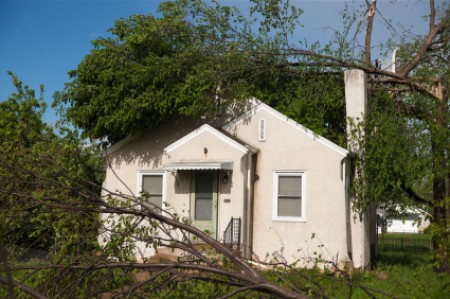
Fallen tree on house In the wake of the recent surge of tornado activity in the Midwest, many of us are wondering if there's something we can do to better protect our homes from these devastating storms. Aside from hitching it up and moving out of the way, there's little one can do to avoid storm damage.

Whether the forecast predicts a hurricane, hail storms, or an impending blizzard, there are steps that can be taken to deter some damage to a home. The best step, however, is to listen to authorities and evacuate dangerous areas before the storms arrive. Homes can be replaced; families cannot.
Look to Doors and Windows

When replacing doors and windows, look for those that tolerate the worst conditions. Most salespeople focus on these areas already, but pay closer attention than you would have in the past.

When our new windows were guaranteed to keep out every draft from winds in excess of 60 mph, I wrote it off as a sales pitch. However, after a wind storm blew shingles off our roof and toppled trees in the neighborhood, I appreciated the stability of my windows on the side of the house that took the brunt of the storm.

Contractors or installation experts can install entry doors using longer screws that fasten the door frame with at least one inch of support. Proper sealing around doors, windows, soffits, and gables will prevent winds from prying at the structure by creating an aerodynamic quality.

For those who encounter high winds often, consider installing real shutters that will protect the glass panes behind them.

Remodeling Means Reinforcing

If a remodel is in the future for your home, consider adding some structural support and extra safety if possible. The extra costs may lower your home insurance rates, and the long term repairs that can be avoided certainly will save money as well.

Some structural elements that can be added to a home include extra waterproofing under roofing materials, strapping on walls beneath the siding, and purchasing wind tolerant roofing. Roofs can be anchored to the second floor of the house when a roof is replaced. This added security will prevent future wind damage to the new roofing materials as well as secure the second level from exposure.

A house's weakest point is the juncture between floors. Strapping pulls these levels together to prevent complete devastation in high winds or floods. If wind damage is something you worry about, consider the added precautions.

Fending Off Fire

If wildfires are a concern for your area, small steps can keep out hot embers. Sparks from a nearby fire can ignite a fire in your home as well. Where those concerned with wind are sealing and caulking to keep out the wind, you'll want to add tight mesh to prevent the permeation of ash. Metal screening in one eighth of an inch is ideal. Also, when purchasing building materials for your home skip the wind tolerant materials and look for flame retardant materials instead. A Class A fire-rated roof should be installed.

Clearing the area around your home from brush and debris will also slow the progression of wildfire. Keep gutters and chimneys clean so that hot embers do not light these combustible materials. Likewise, clear old vegetation from the area around your decking or foundation.

For more information about adding structural safety to your home, visit:

By Kelly Ann Butterbaugh

0 1SharePrintFollowPost Feedback
Share Your Feedback: Once you try any of the above solutions, be sure to come back and give a "thumbs up" to the solution that worked the best for you. Do you have a better solution? Click "Share a Solution" above!

Questions

Here are questions related to Preparing Your Home for an Emergency.

Preparing In Case Of A Storm

I live alone and I want to be prepared. I am in the process of cleaning up my very disorganized condo. I have many friends cheering me on because well this is very hard for me. Anyway I have cleaned out a walk in closet that is in the interior of the building. I am thinking it will be a nice reading nook in the winter as it is right near the dryer so it will be warm in there.

I am also thinking I have no place really to go in case of a storm. We can get pretty bad thunderstorms and hurricanes here. There is no door on this closet and no window. What do you think I should have in the closet with me? I don't want to go crazy, just be prepared. Thanks.

Sandy from Baltimore

SharePrintFollow6 Feedbacks

Most Recent Answer

By WildIrish 08/11/2008

I was in a natural disaster once, and I learned quickly that there are some things people just don't think of till it's too late. Keep some cash on hand for buying things, because if the power's out. Chances are you won't be able to use your debit/charge card.

Keep your important papers (birth certificate, etc.) with you! The only thing worse than being in a natural disaster is to be bureaucratically "dead" because your life's documentation is gone!

Finally, you should have a NOAA radio (also called a weather alert radio). You can get these at Wal-Mart or Radio Shack, etc. These have built-in sirens that go off when the Natl. Weather Service issues a storm watch or warning. You can also just turn it on and listen to the Natl. Weather Service's broadcast. Hope this info helps!

Archives

Here are archived discussions related to this page.

Preparing for an Emergency

Considering the fact that winter will soon be here and that the TV news is full of the misery affecting the Katrina survivors, I have been thinking about stocking up on pantry staples in case the power goes out. For starters, I have a non-electric can opener. Any one been there and done that? Suggestions?

By Holly


RE: Preparing for an Emergency

A 72 hour kit in a backpack is a good place to start. There is also a 72 hour meal in a can. If you go to LDS.org and then click on provident living on the left side of the screen, it will take you right there. if you want or need more info, let me know. (09/09/2005)

By Vikki in NM

RE: Preparing for an Emergency

I have also started to keep water on hand. I keep these items in my pantry everyday but know that if I need to I can use it in an emergency.
  • Tuna, eaten out of the can if necessary,
  • Peanut butter,
  • canned fruit, some now have pop tops,
  • dry cereal, the healthy kind,
  • Nuts, kept in the freezer they stay fresh
I look as the freezer as a storage place. It can fill the cooler with the items and keep things cold. I have frozen banana bread, the chicken nuggets are precooked if you look at it and so are the hot dogs. keep a loaf of bread if you have room. My stash is used and replenished every month with my normal cooking schedule. If you ask me I could feed my family for a month at any given time if the grocery store blew away today or we didn't get paid. The kids might not like what I cooked but they would not be hungry.

I would just look in your pantry now and think if you had no electricity what could you pick out and eat if it came down to it. Your options might not be good but you have time to change that. I feel that if we have to go more than one month we, as a community, have a bigger problem that my extra days of food will not solve. (09/10/2005)

By Cindy in AL

RE: Preparing for an Emergency

I have already stocked up my house with extras of everything we use, not only in case of an emergency loss of power or big snowstorm, but because of the price of oil and gas which will make everything we use go up in price. I would also get some sterno so that you could heat up a can of soup in an emergency and plenty of bottled water for drinking, and bottled up tap water for flushing toilets. Also fresh batteries in a transistor radio so you could hear what's going on and for flashlights. I could go on and on but these are some ideas for you. I always think it is smart to be prepared. Medicines are really important to have on hand too. As far as food goes, make sure you have protein such as canned chicken, tuna, peanut butter, etc.; things you don't have to heat up but that you would get protein from.

I don't know about you, but I feel awful if I don't get enough protein. Also, if you know a storm is coming, make sure your gas tank is full on your cars. (09/10/2005)

By Wanda

RE: Preparing for an Emergency

All of the above are excellent. I know having lived in South Dakota all my life. Also have pet food enough to last on hand and very important kitty litter if you have cats. Make sure blankets are easily accessible.

Consolidate rooms, shutting off unnecessary ones, even to the point of hauling in your mattresses. Plug under the doors, pull the blinds and drapes shut.

I once survived for a week with no electricity on the farm, just 5 kids, myself and numerous cats and dogs. We consolidated in the kitchen,. What a riot, the kids thought it was fun. My husband was caught in town and couldn't get home. (09/10/2005)

By Jela

RE: Preparing for an Emergency

I spent $250 yesterday at grocery store. I live by myself but I have enough food and toilet paper to last at least a month or two. Canned goods, toilet paper, Kleenex, medical supplies, vitamins, and dog food and bottled water.

Yes, I still need batteries and I guess maybe some sterno but maybe not. We haven't been for a long time with no electricity. (09/10/2005)

By Sandy

RE: Preparing for an Emergency

Being prepared is such a great idea. We got snowed in every winter when I was a kid. So I always try to keep extra canned food stocked up. Also having enough paper plates, cups, and plastic utensils since there might not be enough water to wash things is a good idea too. Candles, matches, are handy for those winter ice storms.

Below is another good site for a detailed list of what can be in a 72 hour kit. It also has a winter car kit list. I have a friend who keeps everything neatly in a clean 5 gallon bucket by the back door, then if she ever has to evacuate she'll just grab her bucket and go. It's nice to keep food like crackers, granola bars, dry soup packets, and hot chocolate in there too along with all important documents. Hope this helps, Good luck!

http://byubroadcasting.org/livingessentials/shows/13.asp (09/10/2005)

By mom2_7

RE: Preparing for an Emergency

Recently I saw on the news where the American Red Cross has a special emergency bag for sale, enclosing all items you might need, to have on hand all in a handy back pack. No idea on the price, but said they have a list of items listed in case you wanted to make your own. Ex: bandages, ointment, batteries, flashlight, non-perishable foods (snack bars, nuts, etc., things not needing a dish or utensils), antibacterial hand wipes or gel, etc. Everyone needs to be prepared in case for an earthquake, etc. (09/11/2005)

By badwater

RE: Preparing for an Emergency

Go to http://www.americanredcross.com for suggestions on how to prepare for a variety of emergencies

I suggest fresh batteries in flashlights, a gallon of fresh water per individual for 3 days, canned foods, a battery powered radio (LL Bean has one you crank t recharge batteries) and copying all your important papers onto a CD or disk (09/12/2005)

By Diana

RE: Preparing for an Emergency

Being prepared is something on my mind lately. Being from CA, we had earthquakes (sometimes lots) but they came on fast and they were gone. Now I live in MO, tornadoes scare me. Meds are top on the list next to water each family would have different things that they need. Pets and food and water. Radio.

Prayer and preparedness is something we can do for our families. (09/15/2005)

By meoowmom

RE: Preparing for an Emergency

We have got snowed in with no power or water. I try to keep enough food and water to survive for at least a month or two. Vienna sausages are good, crackers, hard candy,soups,any thing easy to fix. We have a Kerosene heater we use if it gets really cold, otherwise we use our fireplace (if the wind is not blowing hard). I keep games books, and other items of interest too.Battery radio and we purchased a police scanner(battery powered) cause sometimes the radio station goes off (Blizzard 1997) we heated soup on our kerosene heater. We buy enough fuel for it to last a week. Being Prepared is the most IMPORTANT! (10/10/2005)

By seamstress

RE: Preparing for an Emergency

A lot of good ideas! One thing not mentioned which is one of my top emergency preparedness is a generator. We lost a lot of food in our freezer and refrigerator several years ago due to a blizzard and we didn't have electric for several days. I remember that being one of the saddest days in my life as my freezer is my main supply of bargains and oamc resources. Never again will this happen to us with having it. (10/31/2005)

By mythreesons

RE: Preparing for an Emergency

As for the generator, you will spend more on the generator itself and gas to run it than it costs to replace one freezer/fridge of food.

Generator: $400 min.

Gas for 7 days, run 24 hr/day: (assume it uses 1 g per hour) 7 days * 24 hrs * 2.50/gal = $420

Food replacement cost: about $200 (01/11/2006)

By bulrush

RE: Preparing for an Emergency

Over the past few years I have watched "reality" shows, like Iron Age House, 1800 House, Survivor, etc. The one thing I could not do without is toilet paper. In a survival situation cleanliness is VERY important and toilet paper goes a long way toward keeping clean. And that's the one reason I could never be on those shows, they don't allow you toilet paper. I could do most everything else, like forage for food, except eat bugs. (01/11/2006)

By bulrush


Preparing for an Emergency

Food storage is the key to being prepared for emergencies as well as saving a great deal on groceries. Consult weekly sale fliers and shop for things you normally use in quantity when they are on sale. There should be no need to buy very much but fresh produce, eggs, cheese, and a few perishables on a weekly basis.

Store staples such as rice, flour, dry beans, dry milk, and canned goods and rotate them. Make use of your freezer if you have one. If possible, grow a garden.

Have 14 gallons of water per person on hand for a two week supply. Store some additional items such as soap, toiletries, flashlights, battery-powered radio, quilts, extra shoes and clothes, and first aid items. If possible, store fuel for heating and cooking.

By Judy S.


RE: Preparing for an Emergency

And just a side note in times of emergency. Conserve your water, don't let it go down the drain. If you use water in a bucket to clean hands/dishes or pour water used for some other task (sponge bath)into a bucket, you can use that, called brown water" to flush your toilet. (01/31/2010)

By Suntydt

Follow ThriftyFun