Browse   Newsletters   Contests   Ask   Share   Account   About

Preparing for a Snow Storm

Street covered in snow Being prepared for a snowstorm is important for all households, no matter what size. With these tips you will find out what is needed in order to be prepared. This is a guide about preparing for a snow storm.
     

Solutions: Preparing for a Snow Storm

Read and rate the best solutions below by giving them a "thumbs up".

Be Prepared For Winter Weather

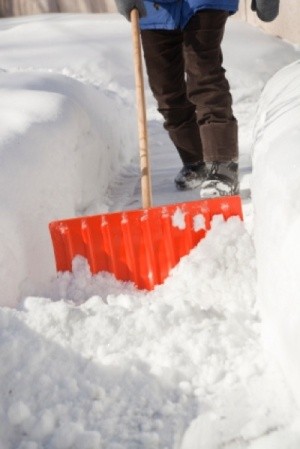
Shoveling deep snowHere are some things I learned from the Missouri ice storm of 2007 and recent blizzard:
  • When shopping to stock up for a winter storm, be sure to buy cold-cuts (food that does not need to be cooked) - bread, lunch meat, hot dogs, tuna fish, etc. If the power goes out there is still edible food.

  • Either buy or pour gallons of water. Save water in the hot water heater for when hot water is really, really needed. You may want a really quick shower after a few days of no power.

  • If you have a generator, plug in an electric oil radiator and light. Have books and games available for entertainment. A small generator will run an oil heater, one lamp, and a small TV with VCR. Close off rooms that are not used - hang blankets in doorways where there is no door. Even at night, your body heat will keep you comfortable in a very cold room with blankets on your bed, socks on your feet and maybe even a beanie on your head.

  • Try to go out (go hunting) every day to see what is available. Businesses try to make sure that extra propane, kerosene, etc. is coming in. Be there to get it when it does come in.

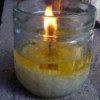
  • Have matches and candles in a place where they are easily found. Candles and oil lamps provide light as well as a little heat. You may need to leave them on while you sleep, so keep them on a sturdy surface to stay safe. Jar candles are great as are oil lamps. Save the tapered and pillar candles for daytime.
This year, we had an extraordinarily large amount of snow - 18 inches in one day and night. Our driveway circles our house, so we figured we would be stuck for a day or two. We shoveled the driveway a little at a time until it was completely cleared.

By noella from Bolivar, MO

4 0SharePrintFollowPost Feedback

Preparing for Snow Emergencies

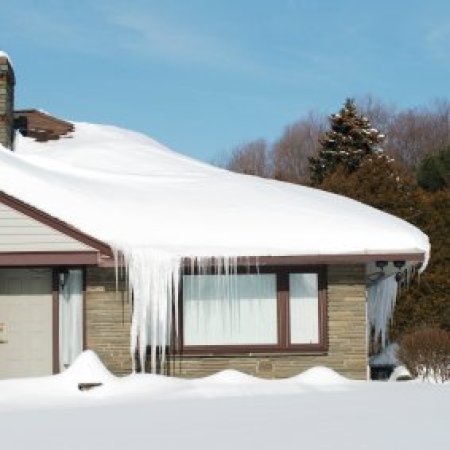
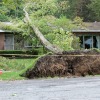
Preparing for Snow Emergencies. A house after a winter snow storm.The Boy Scouts have it right-always be prepared. After a recent early season snow storm knocked out power for days in the mid-Atlantic, families emerged from the darkness with the realization that they weren't as prepared for a disaster as they thought. Yet, it doesn't take a hefty investment or a lot of time to prepare your family to comfortably weather the winter storms.

Nutrition

For those who live in suburban or urban areas, the idea that food might become inaccessible seems unreal. Yet, something as simple as a heavy snow will snap power lines and close roads for days, closing all fast food and grocery locations. Do you have enough food if you're trapped in your house for three days without power?

It's advised by www.ready.gov that each person store three gallons of water and enough non-perishable food for three days. The best plan is to dedicate a plastic tote or other storage bin for your emergency foods. Since they carry a long shelf-life, there's nothing required other than a yearly inventory and replenishment. Don't forget to keep a manual can opener stashed in the bin as well.

To stock up for your emergency kit, watch grocery store sales. Stores often put bottled water on sale in the summer months, so fill your shelves then. It's a good idea to save some plastic milk/water jugs throughout the year and fill them with tap water for washing in the event that you lose your water during the storms. You can always use the water for houseplants, replenishing it when the supply goes low or a storm approaches.

Know what your stockpile needs, and grab it when it's on sale or offered as a coupon. The 10/$10 sales that require all ten items to be purchased are a great time to build your emergency kit. Good food staples include: canned soup, granola bars, mixed nuts, powdered milk, instant coffee, canned tuna, canned fruit, peanut butter, and Chef Boyardee-type products. These products are easily heated and can be eaten cold if necessary. Don't forget to keep extra pet food and a gallon of water a day for each dog/cat.

First Aid

There is no need to pay $10 or $20 for a sparsely packed first aid kit; build your own. Load it with an antiseptic spray, bandages, gauze, gauze tape, butterfly bandages, and a rolled bandage. All of these items can be found at dollar/bargain stores. Also keep your medicine cabinet stocked, and don't allow it to run low. Do you have a week's supply of your prescriptions or over the counter pain relievers? Are your inhalers filled? Do you have the essentials for winter colds? These are important questions to answer before the storm hits and the roads close.

Other items that should be "overstocked" during the winter months are: moist wipes, feminine products, matches, baby products, candles, bathroom tissue, and facial tissues. Your emergency stockpile isn't the place to be brand loyal, so grab whatever is at the highest sale and offers the most coupons.

Also, keep plenty of plastic garbage bags in the house in case you need to create makeshift raincoats or tarps. Duct tape or packing tape should be kept on your emergency shelf as well as a box of matches sealed in a plastic bag.

The Essentials

Forget the pricey investment of a generator (though they can be nice). Instead, look at what you have. Do you have decorative oil lamps in your home? They will light up a room nicely for less than $20 if you keep extra oil and wicks on hand. What about candles? While you more than likely purchased them to add fragrance to your home, they can provide ample light to a room, especially tapers and candelabras. Great buys on candelabras and candles can be found during the holiday season.

Keep more than enough batteries for a radio and your flashlights. Every bedroom and level of the home should have a flashlight in a reliable, set location at all times. You don't need to fumble around in the dark to find a flashlight. Consider investing in an extra storage container to keep extra fuel on hand.

In spring, stores will mark down kerosene and propane heaters. This is your time to snatch them up and store them for emergencies. One kerosene heater will pay for itself after a weekend snow storm that takes out the power used to regulate your heat. Likewise, camping gear might be marked down throughout the year. Pick up a few items such as a camp stove, a coffee pot, and lanterns. These items will be invaluable to you if a storm hits in December.

Most of all, have a plan. www.ready.gov offers a variety of plans for emergencies.

By Kelly Ann Butterbaugh

0 0SharePrintFollow1 Feedback
Share Your Feedback: Once you try any of the above solutions, be sure to come back and give a "thumbs up" to the solution that worked the best for you. Do you have a better solution? Click "Share a Solution" above!

Questions

Do you have a question related to this page?
Follow ThriftyFun