Browse   Newsletters   Contests   Ask   Share   Account   About Us

Growing Raspberries

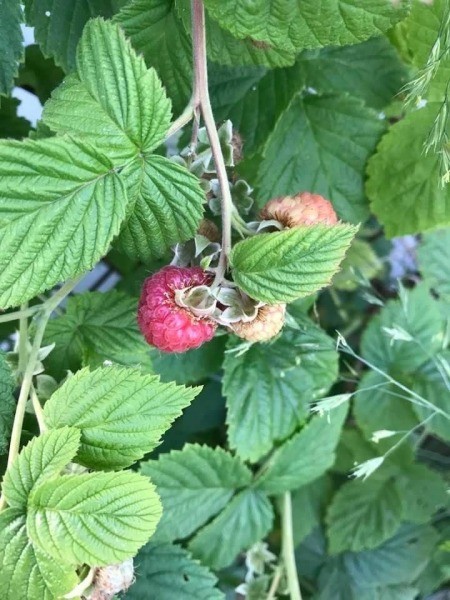
Raspberries hanging on the plant.Raspberries are delicious whether eaten fresh or used in recipes or jams. Choosing the best variety and learning the requirements for growing and pruning your plants will ensure a bounty of fresh berries. This is a guide about growing raspberries.
     

Solutions: Growing Raspberries

Read and rate the best solutions below by giving them a "thumbs up".

Growing: Raspberries

Planning Tips:

Depending on the variety grown, raspberries can be harvested from early summer through fall. Once you decide on a variety suited to your zone, select a cultivar designed to bear fruit when you want berries. Since viral diseases are the number one problem for raspberries, select plants from a reputable nursery that are disease resistant and certified virus-free (virus indexed). Raspberries are self-fertile so you can get by with one plant to get a full crop of berries. Expect to pick your first crop anywhere from 8 months to 2 years after planting depending on the variety. Mature plants can produce from 4 to 6 pounds of berries per year.

Site Preparation:

Select a site with full sun and soil high in organic matter. Raspberries prefer acidic soil with a pH of 5.5 to 6.5. Avoid low areas prone to frost or standing water and site where berries or plants from the tomato family have been grown before. Wild raspberries can harbor viral disease and should be located no closer than 600 feet from the site or removed altogether.

Planting:

Plants should be set into prepared holes at least 2 inches deeper than grown in at the nursery. Space plants at 3 feet intervals in rows and space rows at least 7 feet apart. If necessary, erect cane supports before setting plants. Keep the row between plants free from weeds by planting and mowing grass or heavy mulching.

Care & Maintenance:

Raspberries canes can be supported with a trellis or wire strung along posts in the ground. When and how to prune your plants will depend on the variety you're growing. Fall bearing raspberries are generally cut to the ground after harvest. Summer bearing plants are pruned twice per year, once after harvest, and again in the winter to thin canes and remove dead growth. Black raspberries need pruning three times per year-once when canes reach three feet tall (pinched back), once after harvest and again in the winter. Keep raspberries adequately watered from the time flowers form through the harvest season.

Harvesting & Storage:

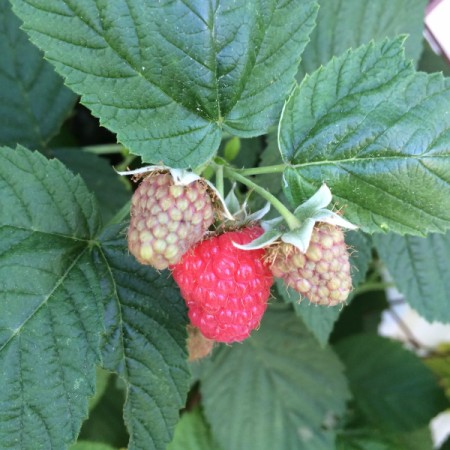
Raspberries should be picked when they are thoroughly ripe. When berries are ready for harvesting, they will feel soft and separate easily from their core. Handle them with care as they are easily crushed. Pick them early in the morning while it's still cool. Berries will ripen unevenly so check your patch every other day to prevent berries from becoming over-ripe. Raspberries are extremely perishable. They will keep for only 1 day in the refrigerator and just 3 or 4 days when kept at slightly colder temperatures (31 to 32 F)

By Ellen Brown

0 0SharePrintFollowPost Feedback
Share Your Feedback: Once you try any of the above solutions, be sure to come back and give a "thumbs up" to the solution that worked the best for you. Do you have a better solution? Click "Share a Solution" above!

Questions

Here are questions related to Growing Raspberries.
Growing Raspberries

We have a community garden and I am taking a lot for next year. I want to plant raspberries and need information about shade or sun requirements, how close to plant, and watering. Thank you.

By Phyllis D

SharePrintFollow1 Feedback

Most Recent Answer

By saddlebag11/15/2011

Raspberries can grow into rather large bushes and can overrun a garden if not pruned. Unfortunately raspberries produce on the 2nd year's growth.

Growing Raspberries

What do I do with raspberry canes after they have fruited?

By Sandra

SharePrintFollow2 Feedbacks

Most Recent Answer

By fnash08/19/2011

I grew red raspberries for many years. What I did was during winter after the leaves had dropped I cut out all dead canes. These are the canes that fruited. Cut them as low as you can. After I cleaned out all the dead canes I cut what was left knee high. Always had plenty of fruit and your planting will not get out of hand. Even doing this you will have to transplant and start a new row every so many years. Start a new row one year and the next year get rid of the old row after fruiting. This is because an old row will get hard to handle.

Follow ThriftyFun