Browse   Newsletters   Contests   Ask   Share   Account   About Us

Conserving Water in the Garden

Watering the GardenThere are many ways to use less water on your garden, and still have a bountiful harvest. This guide is about conserving water in the garden.
     

Solutions: Conserving Water in the Garden

Read and rate the best solutions below by giving them a "thumbs up".

Recycle Waste Water in Your Garden

I try to use every usable drop of water on the grounds of both cost to the environment and plain old cost to my pocket! Now that I have started eating my homegrown salad again I did a little experiment last weekend. Every time I washed fruit and vegetables or used the salad spinner I put the 'dirty' water into a bucket. I was really shocked when by the end of the day the 2 gallon bucket was almost full! As I don't use any pesticides or artificial fertilizer I was perfectly happy to reuse the water to irrigate the garden. Its a win-win situation!

By Mrs. Christmas from Slovenia, EU

23 0SharePrintFollow1 Feedback

Collect Water While Shower Warms Up

Last year, my family ran into the not-so-fun situation of running out of water in our well. Oh, the things we take for granted! But necessity is the mother of invention and it lead me to do the following to conserve water:

Take a used 2.5 gallon plastic water container (Target sells bottled water this way and so does Super Walmart and BJs) that has a pull tap and cut a large, 3 sided hole in the back, leaving a plastic flap that can be opened or closed. When you take a shower, take the container in with you. As the water is warming up, hold the shower head so the water fills the container. I was surprised to find that it took almost 2 gallons of water to get it up to temperature! I then use the water for plants, our dogs and cats, and even to wash my hands. This conserves water when the weather is dry, saves money for those who have town water, and is a great emergency resource if you lose water if you lose electricity. It is also good when camping - put it at the end of your picnic table and you have an on site faucet!

By Rita from Whitinsville, MA

14 0SharePrintFollow4 Feedbacks

Conserving Water in the Garden

Here are some tips for conserving water in your garden:
  • Water your garden in the late afternoon but not at night. It needs time to let the surface dry so mold and fungus aren't able to damage the plants.

  • Set out buckets to collect rainwater. It's much better for the plants because of the nutrients in it.

  • Put newspapers around the plants when they are small and cover them with about an inch of soil. Saturate them with water. This will discourage weeds and slow down the drying process.

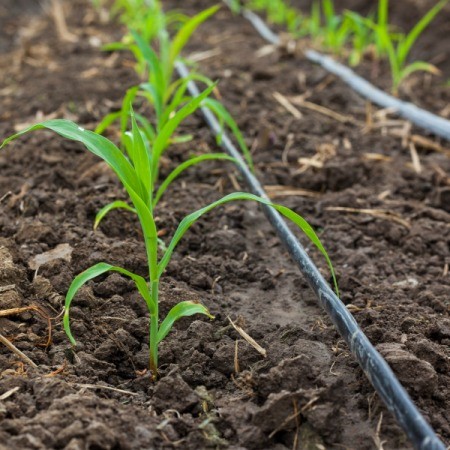
  • Buy a soaker hose and thread it around the plants. It gets the moisture where you want it, into the soil near the plant and doesn't evaporate like it does with a sprinkler.

  • Water generously rather than often. Surface watering doesn't encourage deeper root growth and makes it necessary to water more frequently.

Source: These tips came directly from the school of experience. My family had a garden every year and I was taught right there at home.

By Sandy from Elon, NC

5 0SharePrintFollow2 Feedbacks

Use Cooking Water for Plants

Instead of dumping water away from spaghetti, vegetable or even flat club soda, feed it to your indoor plants. This will give great nourishment to them for growth and greener plants. Make sure the water is cool.

Source: Heloise

By Joyce from Pittsburgh

4 0SharePrintFollow2 Feedbacks

PVC Pipe For Deep Watering

PVC Pipe For Deep WateringBy sawing a piece of PVC pipe that can stick up from the ground about 5 inches and have about 7 inches below the ground you can have a great watering/fertilizing gardening helper.

By Louella from Billings, MT

4 0SharePrintFollowPost Feedback

Conserve Water With A Snow Fence

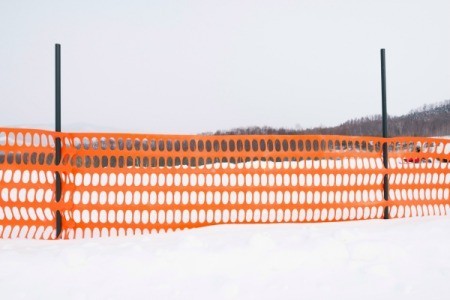
An orange snow fenceIf you live in an area with harsh winters, strong winds and steady snowfall can create a lot of drifting snow. Believe it or not, this presents you with a great opportunity to conserve water. By installing a snow fence, you can effectively capture snow and create drifts in areas where you need additional snow to melt in the spring.

How Snow Fences Work

The principle behind how snow fences work is simple: fences act as windbreaks that slow down the speed of wind-driven snow and cause it to be deposited as drifts. This makes snow fences a simple and effective device for things like reducing the amount of snow on roadways, controlling avalanches at ski resorts, and preventing the erosion of sand dunes on beaches. Here's how snow fences can help in the garden:
  • Acts as a windbreak to protect plants
  • Diverts snow away from driveways, paths, and walkways
  • Conserves water by allowing you to intentionally collect snow in dryer areas
  • Helps prevent soil erosion
  • Filters sunlight and shades plants
  • Collects and traps leaf debris for easier fall clean-up

Living Vs. Man-Made

There are two type of snow fences: man-made and living. Both have their advantages and disadvantages. The type you choose depends on your budget, and whether or not you want the structure to be permanent or temporary.

Man-Made: Man-made snow fences are usually constructed of wooden slats (held together with wire) or from a lightweight, plastic mesh. They are inexpensive, easy-to-install and remove, and can be "fine-tuned" to control the effects of snowfall.

Advantages: Inexpensive, easy to install and remove, adjustable.
Disadvantages: Not as attractive, eventually needs to be repaired or replaced.

Living: Living snow fences can be made from trees, shrubs, native grasses, or even landscaping berms (small hills). They come with a higher initial installation cost, but once established add increased value to your landscape.

Advantages: Attractive, adds value, provides additional food for you and/or wildlife.
Disadvantages: Increased installation cost, needs time to grow, non-adjustable.

Planning Your Snow Fence

To control snow, determine the prevailing wind direction, and position the fence upwind of the desired drift area. Height: The taller the fence, the more snow that will be trapped. Most commercially sold snow fences come in 4 foot heights.

Length: Extend your fence approximately 30% wider on either side of the area you are trying to protect/control.

Set Back: Various formulas exist regarding how far back your fence should be set back from the desired drift area (e.g. a distance of 30 times the height of the fence). Most formulas are based on controlling snow near large open spaces like fields along roadways. In less open areas (like gardens), a bit of guesswork is involved. In general, you can expect drifts to accumulate on the leeward side of your fence at a distance of anywhere from 5 to 15 times its height. The determining factors include the average snowfall in your area, wind speeds, and the proximity of nearby structures.

Installation Tips

  • The higher the bottom of the snow fence is off the ground, the further away the drift will start. Position the bottom of the fence at least 5 inches but no more than 2 feet above the ground. If the fence is directly on the ground, it will be buried in the drift and lose its effectiveness.

  • For man-made fences, install fence posts at 8 foot intervals, and the end post should be braced with a steel post driven into the ground at an angle so it supports the top of the end post.

  • An effective snow fence will consist of about 1/2 solid and 1/2 open spaces. Slats that run horizontally are said to be more efficient at containing snow.

  • You can create a temporary living snow fence at the edge of your vegetable garden by leaving a few rows of corn standing at the end of the growing season.

  • Before investing in a permanent living snow fence, test out your ability to control snow in the area with a temporary snow fence.

  • If you're installing the fence to cast shade, place the fence on the south or west side of the plants to be shaded.

By Ellen Brown

2 0SharePrintFollowPost Feedback

Using Fish Tank Water in the Garden

My husband loves his fish tanks and I love gardening. Between the two of us we use a lot of water. But he bought a fish tank vacuum to help him clean out the tanks and originally had it hooked up to the bathroom sink faucet.

I kept seeing all that good water just going down the drain and figured out that if he put it onto the outside hose I could use it to water my garden. Fish tank water is supposed to have a lot of good fertilizer in it so I am getting more than just water. This should save us a lot of money this year by reducing our water bill and I am hoping for bumper crops!

By KatherineC from Reno, NV

2 0SharePrintFollowPost Feedback

Saving Water from the Sink for Plants

Here in North Carolina we have been experiencing drought conditions and are being encouraged to be mindful of wasting water. Since I have many plants which often need to be watered, I have tried to think of ways to be able to water the plants while conserving water. I have found that it takes quite a bit of water to run through the pipes before the water is hot enough to do dishes. Rather than waste that water as I'm waiting for the hot water to come through, I put my watering can in the sink and fill it up to use for my plants.

By Sandy from Elon, NC
2 0SharePrintFollow5 Feedbacks

Reuse Air Conditioning Water in the Garden

I noticed water coming from a pipe from in the attic of the house and traced it back to the unit for an air conditioner, that is in the attic of a lot of Florida homes. The pipe came out at the bottom of the foundation. I was installing a patio and didn't want the water running on to the patio.

I drilled a hole through the wall and moved the pipe coming out of the wall to where it was 7 feet off the ground, and made sure the pipe is at a slight angle so as the water runs free. I moved it outside of the patio area and put a fifty gallon garbage can under the pipe dripping and collect the water. I also installed a plastic valve at the bottom of the drum so I could hook up a hose to it and I water my garden with the water coming from the air condition unit. I have the plastic container off of the ground about a foot so as the water will drain out the hose.

With the weather so hot it takes about 1-2 days to fill the 50 gallon plastic garbage barrel. Usually the drain pipe is 3/4 or smaller plastic pipe

Source: None that I know of. I had an Air condition Rep. here to service it and he has been in business for over 10 year and never saw any thing like it before

By Leonard from S. Daytona,Fl.

2 1SharePrintFollowPost Feedback

Keep Track of Rainy Days To Save Garden Water

Keep track of the days that it rains on a calendar. Circle the day and write "Rain". This way its easy for you too see which day it rained. It will help you save money on your water bill. You will always know when you should water your garden, so no over watering occurs, and no waste!

By Tonya S. from Coal City, IL

1 0SharePrintFollow2 Feedbacks

Save Air Conditioning Water For Plants

Several years ago we lived in Texas during a rather long drought. My poor roses were suffering. Because we lived in an older home that didn't have central air, we used window air conditioners.

We noticed that there were puddles outside the windows with these air conditioners. We gathered some old five gallon buckets, and placed them under the drips.

Our buckets filled quite nicely. We were able to water my roses, my house plants, and a few vegetables that I had in containers on a daily basis. We are once again utilizing our free water, since we can barely afford the water bill with our basic usage.

By Brandy J. from Bowling Green, Missouri

1 0SharePrintFollowPost Feedback

5 Water-Saving Solutions for Your Garden

Watering SolutionsWater is one of the earth's most valuable resources, so it is important to make sure that we garden in a way that doesn't over-use or waste water. With a little planning, you can reduce your garden water waste, and save yourself a little money at the same time.

Read More...

By Ellen Brown

1 0SharePrintFollowPost Feedback

Eco-Friendly Irrigation - How to Water Wisely

Few of us are aware of how much water we waste. Most of us merely turn on the sprinkler and walk away. In many places, water is not only scarce, it's expensive. How you deliver water to your lawn and garden can have a major effect on your water bill and ultimately, on the environment.

Read More...

By Ellen Brown

0 0SharePrintFollow3 Feedbacks
Share Your Feedback: Once you try any of the above solutions, be sure to come back and give a "thumbs up" to the solution that worked the best for you. Do you have a better solution? Click "Share a Solution" above!

Questions

Do you have a question related to this page?

Archives

Here are archived discussions related to this page.

Reuse Air Conditioning Water in the Garden

We don't have a big garden. Just a tomato plant, some succulent plants and magnolia tree we try to give extra water too. We have a large window A/C unit in a spot where we can easily put a dish pan to collect the water that drips from it otherwise it would be all over the patio making a mess.

We started using that water on the above mentioned things and then began to thrive. We decided it was free of chlorine and maybe that was giving the plants a cleaner "drink" of water when we have some. It is so dry here and at times we don't have any.

By Bev from Uvalde, TX


Recycle Waste Water in Your Garden

A great tip for water drought areas. When taking a bath, save the water! Plants love the soap to kill off insects and salts for the nutritional value. We drink tea, soft drinks, milk, etc. and save those containers. After your bath, emptying your kids pool, after boiling potatoes, corn, eggs etc. let the water cool down. Then water your plants. I will get about 12 gallons from one bath. Why let it go down the drain? Use it on your flowers or veggies. Reuse your dishpan water also. When you get in the habit of doing this you would be amazed on how much would have gone to waste down the drain.

By Doreen from Bartow, FL


RE: Recycle Waste Water in Your Garden

Put a bucket under the faucet when waiting for shower water to warm up. This is fresh water that would be wasted. Now you can use it anywhere. (06/06/2009)

By Mama2one

RE: Recycle Waste Water in Your Garden

I also use the grey-water from baths to flush our toilet. I just fill a bucket to use later when we need it. (06/06/2009)

By susanmajp

RE: Recycle Waste Water in Your Garden

I keep a bucket on the kitchen floor to dump the water I used to rinse rice, wash vegetables, etc. I probably get a bucket full of what I call green water once a day during the week, and more on the weekends. (07/31/2009)

By MarieClaire

RE: Recycle Waste Water in Your Garden

We do this, too, and we've been able to siphon the bath water using a garden hose. This only works if your tub is higher than your garden area, though. Other things we do to save water:
  1. Use the water from boiling/steaming veggies (plants love the nutrients and we actually drink it, too, cause it's full of minerals).

  2. When I wash lettuce in my spinner, I use the rinse water for my plants as well.

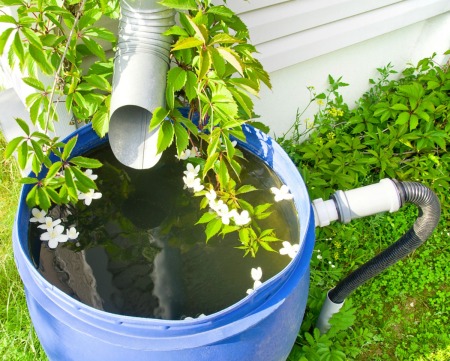
  3. We installed downspouts in our gutters to drain into 60 gal barrels which we use for watering flower beds. (Wish we could have gotten 200 gal barrels!)
Here in northern NM, some people build their homes to reuse the "gray water" from kitchen sinks, bathtubs, washing machines, and they save tons of well water in this way. (08/13/2009)

By emanuelli

RE: Recycle Waste Water in Your Garden

Would it be OK for my garden if I used the bath water after my kids' bath? We bathe our girls together to save on water but wondered if the soap in the water would be hard on the plants? If not, that would be a great use for the garden.

You can also reuse these types of water to help flush toilets to save water. (08/13/2009)

By emhauss


Recycle Waste Water in Your Garden

We save our bathtub water and run it through a pipe into barrels under the deck. We then hook up our pump to hoses and water our garden with the recycled water. The deer do not like the soapy water!

By denowolfes from Talbott, TN

Recycle Waste Water in Your Garden


RE: Recycle Waste Water in Your Garden

Great Job! Bet you spend many happy hours in your garden. GG Vi (06/06/2010)

By Great Granny Vi

Follow ThriftyFun