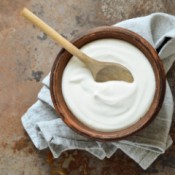
 Making your own yogurt is amazingly easy, and it is very good. Taking it another step and making Greek yogurt or yummy cheese is just as easy.
Now the starter. You can buy yogurt cultures from most places that sell cheese making supplies. One on line source is Lehmans.com I have never used purchased cultures. I make yogurt with my favorite store bought yogurt, or with yogurt I've made myself. It is vital that this be all-natural yogurt with live cultures and NO thickeners like gelatin. You can use store bought Greek yogurt if you like.
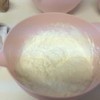
Pour the milk into a medium sized saucepan. Over medium high heat, bring it to 100 degrees F. If you don't have a cooking thermometer, this is about as warm as you make a baby's bottle. Temperature is important - if it is not warm enough, it won't work; if it is too hot, it will kill the cultures.
Once it is the right temperature, stir in the yogurt, combining thoroughly.
Now you have to keep the mixture warm for at least 8 hours. In hot summer weather, just put it somewhere where it won't be disturbed. Temperatures in the 80's will be good, in the 90's perfect. In cooler weather, try the top of your refrigerator or hot water heater, or inside an oven with a pilot light. I have heard that some people have success by wrapping the container in some kitchen towels and putting it on top of a heating pad on the lowest setting, with a few layers of towel between the pad and the bowl.
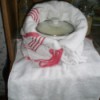
Put the warm milk and yogurt in a very clean container with a lid. Wrap it is a kitchen towel to keep as much warmth in as you can. Put it in your chosen spot. Leave it without disturbing at all (don't peek!) for at least 8 hours. After 8 hours, check and see how thick it is.
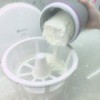
Now to make Greek yogurt or yo-cheese: they do make special strainers for doing this. I have two, and they work really well. Mine look just like the little baskets used as strainers in coffee makers. If you don't have any, use cheesecloth. You can try lining a colander with a few layers of it. Put your yogurt in this, put the colander in a bowl to catch the liquid, cover the yogurt, and let it drain until it is as thick as you want, 1/2 hour or more. You can also line a bowl with the cheesecloth, put the yogurt in, draw up the edges of the cheesecloth, tie it up like a money bag, and hang it over the bowl.
For Greek yogurt, check the thickness after 1/2 hour.
For yo-cheese, you will have to let it drain for several hours until the yogurt is very thick, like cream cheese. It will taste very similar to cream cheese, and can be used very effectively in place of cream cheese. Or try mixing in a little garlic and/or onion powder and some herbs. Oh so good! In the Middle East, when they have yo-cheese that is getting a bit old and dry, they roll it into small balls, like a large olive, then put it in some olive oil that has been flavored with garlic and herbs.
All yogurt and yo-cheese has to be refrigerated after it is done.
As a thrifty benefit, take all the whey you have drained off of your yogurt and use it to make bread. It makes a delicious, slightly sour loaf. Try toasting it and spreading it with yo-cheese!
Source: A life time of making yogurt.
By Free2B from North Royalton, OH
Check out these recipes.
This is so rich and creamy I can only eat about a half a cup at a time. It is very, very good though.
I have always been intimidated to make yogurt. Not ANYMORE. For thick and creamy yogurt!
Take 1 qt wide mouth mason jar. Put in 3/4 milk in your jar and shove it into the microwave and heat until just under boiling (however, IF it boils a little bit then it's ok!). Sit it on your cabinet or stovetop and let it cool to lukewarm.
This page contains the following solutions.
I made a batch of yogurt and took a container to my sort-of shut in neighbor, she CAN get out but rarely does. She called in a couple of days and asked if she could pay me for some more yogurt.
This is probably obvious and common knowledge to everybody but I just discovered this. You can make your own flavored yogurts by buying the largest cheapest container of plain yogurt and adding fruit preserve to it.
Warm milk till it is comfortable temperature (45-50 degrees C or 100 degrees F). Dissolve 1 teaspoon leftover yogurt as starter in 500 ml.
When I get near the bottom of my container of plain regular or Greek yogurt, I add milk, stir, place covered in hot water, and let the milk develop for a few hours into a new container of yogurt. Chill.
Here are the questions asked by community members. Read on to see the answers provided by the ThriftyFun community.
I have just started making my own yogurt and have been looking at different recipes and was wondering why you put in powdered milk? Does it make it creamier or set better or something else? Thanks.
By Kerry
The powdered milk does help it thicken and set better. I use Fage Greek as a starter for mine and warm my milk in the microwave before putting it in my yogurt maker. Cindy
Twice now I have made flavoured yoghurt and it has gone like slimy and one plain didn't set after leaving it all night. Please help.
By Eileen from Qld, Miles
The only thing I can think of is that you added the flavor when you added the starter culture and before setting it out to thicken. That would interfere with the fermenting process of making the yogurt.
The only thing I can think of is that you added the flavor when you added the starter culture and before setting it out to thicken. That would interfere with the fermenting process of making the yogurt. You have to add the flavors after the yogurt is made, and then refrigerate.
The only thing I can think of is that you added the flavor when you added the starter culture and before setting it out to thicken. That would interfere with the fermenting process of making the yogurt. You have to add the flavors after the yogurt is made, and then refrigerate.
I make yogurt with my goats milk and to set it up I have to add unflavored gelatin to it. Because you are adding more fluid and possible acid from the flavoring then you will need to add gelatin to it. I have even used unsweetened flavored gelatin to add flavor.
Would anyone have a recipe for homemade yogurt made with skim milk powder, Knox plain gelatin, and water? It is then left overnight in an oven that has been preheated to 200 and then turned off.
I used to make it, but lost the recipe so I don't know what quantities I need.
By Katie Genereux from Sault Ste Marie, Ontario, Canada
www.recipezaar.com/
To make my homemade yogurt I purchased a yogurt maker from Amazon.com
The first time I made the yogurt it didn't solidify properly and was very runny. But the second time that I made it while mixing it on the stove I added 2 tablespoons of corn starch and it came out perfect.
I make mine from powdered milk.
I have made yogurt many times, for many years. It takes 1tablespoon of yogurt, per 1 cup of milk. I would make the powdered milk like the directions say, then use a cup of it per tbsp of yogurt. I use to use gelatin, but I don't anymore. The gelatin boxes have how much to use per cup of liquid & use it like that. I have never put it in the oven.
What I do is, mix & put it in a warm place on my stove, it's gas & has pilot lights. This gives it the warmth it needs... Years ago, I had a small counter between my built in oven & my fridg. I would mix it, cover lightly with plastic wrap & put it closest to the fridg. The warm air coming from the fridg would do it.
It takes about 24hours for my yogurt, I use cream & milk. It is a misconception, that fat makes you fat. It's the carbs that do it & by consuming less fat, it just goes into your blood stream faster, which yor brain & body can't handle, then your pancreas just secretes more insulin & stores that excess glucose as fat. Fat also is the building blocks of all the hormones in your body. So use regular milk & cream, with stevia & xylitol. It will last longer in your body & satisfy better. Fat is the element that your body recognizes & tells it you are satisfied & don't need to eat more & more often.
Greetings to my neighbor to the north! Here's a recipe I've had in my collection for ages but have never used. Maybe it's the one you need?
Plain Yogurt With Gelatin
1 envelope unflavored gelatin
2 tablespoons cold water
1 quart 2% or skim milk
3 tablespoons plain yogurt, room temperature
1/3 cup dry milk powder
In a small cup soften gelatin in cold water about 5 minutes.
Pour one cup milk in a bowl. Add dry milk and stir till dissolved. Rinse a 2-quart saucepan with water. Pour in remaining 3 cups milk, dissolved dry milk and gelatin.
Heat milk gently to 190 degrees F (90-99 degrees C). Remove protein film.
In a small bowl, stir yogurt until creamy. Mix about 1/3 cup milk into yogurt, then add the rest.
Incubate 3-4 hours at 110 degrees. Chill before serving. Makes about 1 quart.
To make flavored yogurt, refrigerate 15 minutes, then fold in fruit flavorings.
I tried one of these recipes for homemade yogurt with powdered milk. I love it! Never again will I buy store bought yogurt. There is just no comparison in taste. Homemade is so much better, smoother tasting.
Thanks to all who posted their recipes. I had not heard of some of them but I appreciate the time you took to answer. God Bless you all. Katie Genereux Sault Ste Marie Ontario Canada
I have a yogurt maker but have lost the recipe. Does anyone have the plain yogurt recipe they will share with me?
Thank you,
Hattie

Homemade Basic Yogurt (Yoghurt)
Ingredients
1 quart whole milk
1/3 cup instant nonfat dry mlk (optional. It produces a thicker texure and increases the protein content by 2 grams per cup.)
1 rounded tablespoon plain yogurt or recommended quantity of powdered culture
Instructions
Combine and incubate per machine instructions.
See also Homemade Flavored Yogurt instructions and Making Yogurt Without a Yogurt Maker.
******************************
5 Minute Frozen Peach Yogurt
Ingredients
1 bag (20 ounces) frozen unsweetened peach slices
1 container (8 ounces) plain lowfat yogurt
1 cup confectioners' sugar
1 tablespoon fresh lemon juice
1/8 teaspoon almond extract
Instructions
Let frozen peaches stand at room temperature 10 minutes. In food processor with knife blade attached, process peaches until fruit resembles finely shaved ice, occasionally scraping down side with rubber spatula.
With processor running, add yogurt, confectioners' sugar, lemon juice, and almond extract; process until mixture is smooth and creamy, occasionally scraping down side. Serve immediately.
Try it with strawberries, blueberries, or your favorite combination of flavorful frozen fruits.
Yield: 4 cups or 8 servings
***********************
From CooksRecipes.com:
Homemade Yogurt
It takes a little store-bought yogurt to make a lot more--and once the production line is moving, you need never buy bland yogurt again. This recipe comes from the Middle East, where plain yogurt is a common ingredient in everyday cooking. Once you get used to making your own, you'll find that it can be a handy substitute for sour cream, heavy cream, and cream cheese.
2 quarts whole milk
1 cup plain yogurt
1 cup half and half
Bring milk to a boil in a very clean pot (dirty or greasy utensils won't produce the desired results). Remove from heat and pour into a glass jar or pottery container; let stand until cool.
Dilute yogurt in 1 cup cool milk and the half and half. Gradually add this mixture to the remaining milk, stirring slowly and gently. Place container in a protected spot (it must not be moved or touched). Cover with a lid. Cover container with a large towel or blanket and allow it to sit at least overnight.
To obtain a thick yogurt, place 3 to 4 layers of paper towels over the top for a few hours to absorb the excess liquid. Store yogurt in the refrigerator.
Makes about 9 cups.
I bought a used yogourt maker in great condition...but no instruction booklet. It`s a Braun yogourt maker so I contacted the company and they sent one. Here is the recipe: 1 litre milk (2% or homo gives best results)
1 jar (175ml) plain unflavoured yogourt (with no additives)
1/4 cup skim milk powder
Mix milk & skim milk powder Heat just to boiling point but do not boil(about 180 degrees(will look foamy on top with many small bubbles.Remove from heat immediately .Skim any film.Cool to lukewarm (about 110 degrees) Add yogourt to mixture. Blend well to evenly distribute the yogourt. Pour mixture into jars and place jars in yogourt maker without lids.Place cover on the yogourt maker and plug in. Incubate yogourt for 10 - 12 hours.Cool, cover & refrigerate.
The longer the incubation period;the firmer the yogourt and the more tart it becomes in taste.
I hope this helps you. If not, try to locate the maker of your yogourt maker and ask for a book for your model. Good luck
hi, i have such recipe
1 qt milk
4 TB commercial plain yogurt
Sugar or honey, to sweeten
1 pt raspberries for serving
There are several yogurt-making devices, but you can easily make it at home in a large thermos bottle using a candy thermometer. Sterilize all equipment in boiling water before using. Bring milk to a boil, then cool to 100 degrees F. In a small bowl blend yogurt with 1/4 cup of warm milk. Whisk it back into warm milk. Pour into a pre-warmed thermos, seal, and set aside in a warm place for 7 hours. Turn yogurt out into a bowl set in a bowl of ice water, stirring to quicken cooling. Cover and refrigerate for 4 hours, or until thickened. Sweeten to taste, if desired, and serve with raspberries.
Yogurt will keep for 4 to 5 days, covered and refrigerated.
Yield: About 1 quar
This recipe is from actual-recipes.com/
Check out this link.
www.allfreecrafts.com/
I am using this recipe: yogurt and milk in a yogurt maker without using sachet, is this safe for children aged around 5 to eat?
Can I make yogurt made with milk on top of 1/4 cup leftover yogurt?
By Cecil from Wellford, SC
Regular or Greek yogurt can be made inexpensively using your crockpot at home. This page features a recipe with step by step instructions showing you how to make yogurt in a crockpot.
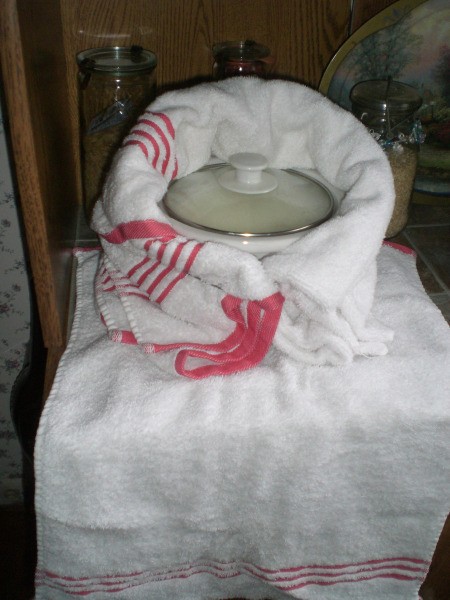
Yogurt is easy to make at home with a few basic materials. This page has instructions for making homemade stovetop yogurt.
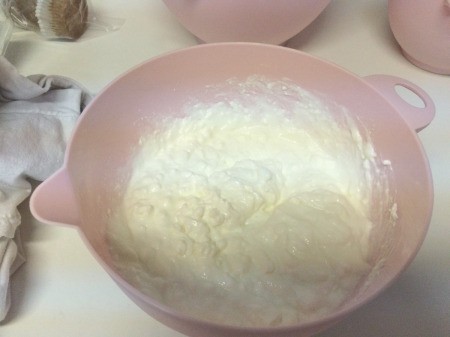
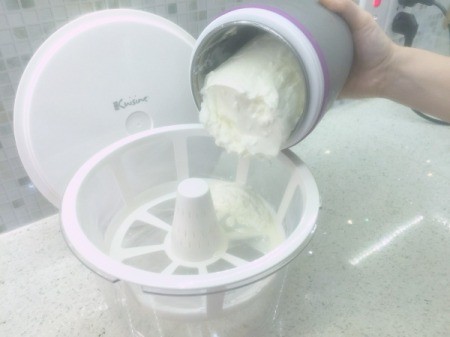
This is a page about using a Euro Cuisine greek yogurt maker. Greek yogurt can be quite expensive at the grocery store. Using the Euro Cuisine greek yogurt maker is easy to use and will save you money.
This is a page about making yogurt without milk. For lactose intolerant people, finding a dairy-free yogurt alternative can be helpful. While it possible to make dairy free yogurt, the process is a little different.
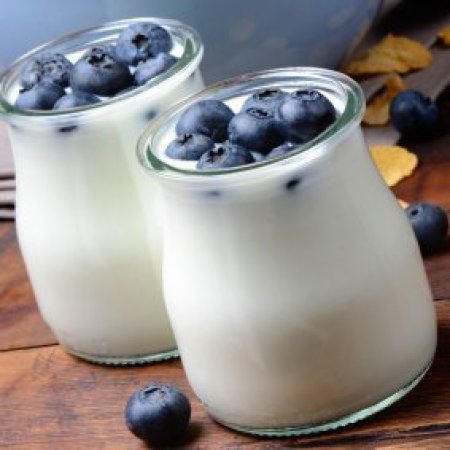
Greek style yogurt has recently become very popular. Greek yogurt is traditionally made from sheep's milk, but cow's milk can be used. Because it is strained, it is a thicker, creamier yogurt than you may be used to. Making your own can possibly save you money, but will surely guarantee the quality of the ingredients used. This page contains Greek yogurt recipes.
I used to be a member of a family from Norway and Sweden. They served many dishes I have fond memories of, and know how to make.
ThriftyFun is one of the longest running frugal living communities on the Internet. These are archives of older discussions.
Make your own yogurt by boiling 1/2 gallon of milk and let it sit in a cool place until lukewarm. Add 1 Tbsp. plain yogurt you might have in the fridge.
It is not hard to make your own yogurt. The most critical tool you need that you may not have would be either an instant read or a candy thermometer.