This summer, why not try some fresh herbs to add to your meals. They are virtually caloric free, fat free and extremely flavorful. Here is one of my favorites:
What is it?
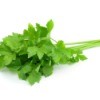
Cilantro is the green leaves and stems of the coriander plant. It has a pungent flavor that cannot be duplicated in its dried form.
Where did it originate from?
Cilantro has been around for centuries, but is usually seen in Asian, Caribbean and Latin American cuisines.
Storage
Fresh herbs should be carefully washed then wrapped in a damp paper towel, then placed in a plastic bag and stored in the butter compartment of the refrigerator for a week.
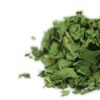
Dried herbs will only maintain freshness for 6 months to a year, so the smallest possible sized container should be bought if any particular herb is not used often.
Tips
Choose leaves that have a bright green color and no signs of wilting.
Despite it coming from the coriander plant, it cannot be used interchangeably. Coriander are the seeds to the coriander plant.
Serve with: avocado, dried beans, chicken, turkey, chili, corn, cucumber, salad greens, tomatoes.
Recipe: Cilantro Pesto Pasta Salad
Cook pasta according to package directions, drain well. Meanwhile, blend oil, cilantro, garlic and oregano in blender container. Toss pasta with dressing; toss in pine nuts and olives; season to taste with salt and pepper. Cover and let sit at room temperature up to 2 hours or cover and refrigerate. Toss again before serving.
About The Author: This article was originally published at Suite 101.
Copyright 2004 Jennifer Wickes is the editor at "Cookbook Reviews" and "Cooking With The Seasons", which has been voted to be one of the Top 100 Culinary Sites on the Internet! For more information about Jennifer Wickes or her columns, please go to: www.suite101.com/
Add your voice! Click below to comment. ThriftyFun is powered by your wisdom!