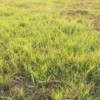
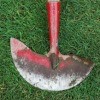
Grass seed is too expensive, but I have bald spots in my lawn. What can I do that won't cost me any money?
Hardiness Zone: 8b
Dawn from Dunwoody, GA
Add your voice! Click below to answer. ThriftyFun is powered by your wisdom!
How about cutting turf patches from the edge of your garden? Then replace the bald turf patches to the edge, or leave it open and plant flowers and plants taken from some wild area (woods, plains, what ever you have locally)
A good time to start a vegetable plot?
I suggest you dig up some of your lawn in the back yard, plant it in the bald spot, and keep damp. It should grow, good luck.
I don't know if this really works, but I am going to try it this spring. Lay some grass seed in the bare spot and lay used coffee grounds on top of it. the idea is the worms in the soil will come for the grass seed, leave their droppings is great fertilizer and when they go through the ground they aerate it.
Nursery centers do sell small amounts of grass seed. You might bring a swatch of your existing grass so that a knowlegeable person could make sure the seed might match it.
Dig into the soil and find out what might be the balding problem first. If there are no white fat grub worms eating the roots, watch for cinch bugs. Ordinary earthworms are a good sign. Pillbugs/ rolley pollies often get in grass, as do ants and termites. Tiny firey red ants are harmless, slow, and help the soil aeration.
If no sign of bugs of any kind, look at the blades of grass and the roots of the growing grass around it. It could be nematodes. Smell of the soil in the bare spot. If you smell mold, you may have to replace the soil there. If you smell gasoline or oil, you might have spilled it each time you refilled the mower over a time.
If the spots are perfectly round, you may have "fairy ring" mildew, and need to spray for that. If none of these things are your problem, simply plug each spot with a spade full of grass of the same size from a healthy spot, after hard raking the bald spot soil so the roots can attach themselves. Cover the edges of the plug with some soil, a piece of newspaper for three days, after wetting well, and weight each corner with heavier rocks to prevent paper blowing away until the transplant takes off. This shades the new transplants while they are getting adjusted to their new location and not as likely to go into any sort of shock. Do the spring transplanting in late afternoon rather than morning or noon. This gives them all night to adjust to the new spot. Do not fertilize.
You will have less luck with seeds, in my opinion, because spring is here and birds are hungry for seeds! Plus the seeds need to be watered daily, whereas the transplants need only every other day or so. Good luck and god bless. ": )
Add your voice! Click below to answer. ThriftyFun is powered by your wisdom!