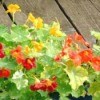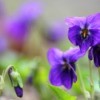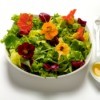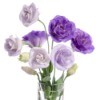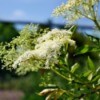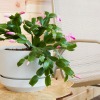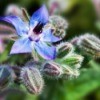
Many cultures have used edible flowers in their traditional dishes for centuries. And with a growing interest in global cuisine, edible flowers are once again coming back into vogue with the gardening masses. Whether you grow them alongside your vegetables or in containers, edible flowers are a wonderful way to bring added color, texture and flavor to your favorite summer dishes. There are hundreds of edible flowers. Here are ten of the most common:
The best time to pick edible flowers is in the morning after the dew has evaporated. This is when flowers contain the highest content of water and are at their peak of flavor. Wash flowers gently before using to remove insects and soil. Except for Pansies, Violas, and Johnny Jump-ups (where they enhance the flavor), remove the stamens and pistils from the flowers. If petals appear wilted when you are ready to serve them, try reviving them by submerging them in ice water for a minute or two.
Edible flowers taste best if you eat them immediately after harvesting. Because this isn't always possible, you can also place the edible parts between damp paper towels in a sealed bag or container and store them in the refrigerator until use. Some species will stay fresh this way for as long as 7-10 days. Long-stemmed flowers may be kept in a vase of water and stored in a cool place if used within a day or two. Short-stemmed flowers will not stay fresh as long and need to be consumed within a few hours of harvesting.
Some flowers, like those used for teas, dry well without losing their flavor. This includes chamomile, bee balm, and some rose species. To dry them, harvest flowers in the early morning and hang them upside down by their stems in a dark, well-ventilated area. Use mesh bags or fine screen to dry flowers without stems. Once petals are dry, store them in airtight containers in a cool, dark place.
Always make sure you're 100% certain that a flower you are about to consume is edible. Consult with a good reference book or trusted resource for accurate identification.
Always introduce edible flowers into your diet slowly and in small quantities to avoid digestive upsets or allergic reactions.
Avoid picking flowers from along roads and ditches, or from areas where they may have been exposed to pesticides or herbicides. Never eat flowers from nurseries, florists, or garden centers. The only way to be certain the flowers you are eating have not been exposed to chemicals is to grow them yourself, or acquire them from someone you know.
In general, people suffering from allergies, asthma, ragweed, or hay fever should avoid consuming edible flowers, especially composite flowers, as the pollen may cause extreme allergic reactions.
About The Author: Ellen Brown is an environmental writer and photographer and the owner of Sustainable Media, an environmental media company that specializes in helping businesses and organizations promote eco-friendly products and services. Contact her on the web at http://www.sustainable-media.com
Add your voice! Click below to comment. ThriftyFun is powered by your wisdom!