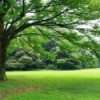
I would like to know how to get a lawn to grow next to the woods in northern Delaware. There is sandy soil, large trees, and a lot of shade. Crabgrass grows and so does plantain.
Why does my attempt at seeding a regular lawn fail? It goes back to weeds quickly. The soil is very compact and quite dry due to its composition and the big trees' requirements of nutrients and water. Shall I try a mulched leaf yard? I love flowers and snails are a problem in leaf mulch here. Is it a no win situation?
Jackie H.
Jackie,
The first thing I would recommend is a soil test. You should be able to get one done for around $20-$30 (contact your county extension agency for instructions).
This will tell you the nutrients present in your soil and whether or not your soil needs amending. This is important because shade lawns require fewer nutrients than lawns growing in the sun (about 1/2 as much).
You'll also need a seed mix that is shade tolerant and drought tolerant (e.g. more than 50% fine fescues, less than 40% Kentucky Bluegrass and around 15% perennial Ryegrass).
This fall, try aerating the soil thoroughly and follow with slow release fertilizer (and water) as determined by your soil test. Fall is the time of year when grass plant energy focuses on establishing roots-this is necessary for the success of blade growth next spring.
Over seed again in the spring, keeping seed moist between spring rains. Growing grass should be left to a height of 3-4 inches (grass plant roots are directly proportionate to blade height).
Also keep in mind that some locations just won't support turf and do better with ground cover. Because you like flowers, you might consider shade-loving alternatives like lily of the valley, dwarf honeysuckle, or hosta.
About The Author: Ellen Brown is an environmental writer and photographer and the owner of Sustainable Media, an environmental media company that specializes in helping businesses and organizations promote eco-friendly products and services.
Add your voice! Click below to comment. ThriftyFun is powered by your wisdom!