 When I get the urge to shop and don't want to spend a lot of money, I go to the dollar store. It's a great way to squelch the urge and I can get a few inexpensive items that I usually need.
By Kim from Franklin Park, IL
This page contains the following solutions.
I have a clean 32 gal trashcan with wheels that I use to transport purchases from the vehicle into the house and nothing falls out in large holes like the wire shopping carts.
Although, I'm not a packrat, there are times when my pantry, closets and cabinets can get rather full. This is when I go on a home shopping spree.

A restaurant supply store is different than a warehouse-type store like Costco. The one I shop at is called Cash and Carry. These allow anyone to purchase without a card. The difference with restaurant supply is that they cater to restaurant owners.
We live in the age of 'Hype'. And we have for so long, the plain unadulterated truth would probably sound strange to us. Even the adjectives we use cannot be taken literally.

Only buy products that have good warranties in the first place, and say "No" when a checker offers you an impulse warranty on electronics. If you are afraid that the product will not last past the manufacturers warranty, it's probably not worth buying.

A great way to save money is to research what you are buying first even if it is something simple like a coffee pot. You would be so surprised to see how many deals you can find online.
We live in a small town with limited shopping. The nearest bulk shopping is 115 miles away. My friends and I take turns making the round trip and go in on purchases of paper towels and other disposables.
Maybe not a new idea but I think it 's a money saver. Make 2 shopping lists. First is considered a monthly list, in which items like; paper towels, TP, soap and other household items purchased, and a second weekly list for food items only.
To cut down on buying items you already have, create an inventory list for the bathroom, kitchen and pantry. Create two columns.
When I need to buy dish liquid or any cleaner for that matter, I don't just grab any bottle. I will look at all the bottles on the shelf and pick the one that is the fullest. Because if you pay attention there are some bottles that are fuller then others. That's how I get the most for my money.
The best way to stop spending money is to stay out of the stores or the yard sales or thrift shops. Sometimes we think we are saving money by shopping sales and taking advantage of specials or coupons, but that is true only if you really need something.
I have hated going to the grocery store recently. I keep getting depressed with the high prices! I went today after I went for my morning walk at the track.
I always use a list when I shop but sometimes the amount of sales tax would trip me up. I found that if I tally a line for each dollar the item costs. and tally up to the next amount.
Years ago, I read an article suggesting the "need, love, or want" rule when making purchases. This has worked well for me and I'd like to share my experience.
I really don't think this is a tip. It's more of a suggestion for all of us to help where we can. I was at Walmart yesterday.
To help save money when grocery shopping or shopping for multiple items anywhere, use a tally counter to keep track of your spending and don't be surprised when you get to the register. Calculators never work for me because I always end up zeroing by mistake...
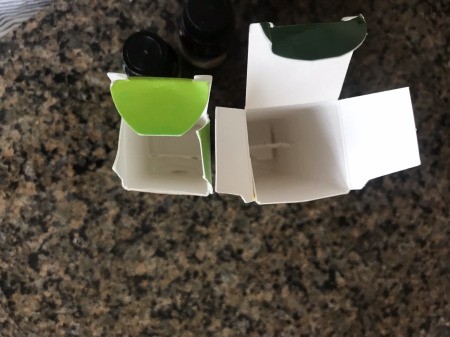
Don't be fooled by packaging. I ran out of Eucalyptus Essential Oil, so when I went to Walgreens, I did not see the brand I previous purchased. Instead, I noticed this new brand called Guru Nanda.
We have a spare fridge in the basement where we keep sodas and the freezer is full. We keep bags from grocery shopping near the spare fridge so we can "shop" for what we need when we are down there.
This week we're conducting an experiment in our house. Each weekend, we reluctantly run errands that total $200 or more. It's depressing. They're not meaningless, bored shopping trips; they're planned trips for essential items.
Did you that you can get a bargain at Sam's Club? Sam's doesn't have sales. So to know if you are getting a true bargain look for things ending with .01 cent. For example $10.81. Those are their markdowns.
One of my biggest shopping tips is to always price check items. You might be surprised at the price difference at times.
I purchased a special pen which attaches to a lanyard around my neck. I bring it with me when I go shopping to make sure I (a.) cross everything off my list and therefore do not miss anything, and (b.) never lose my pen.
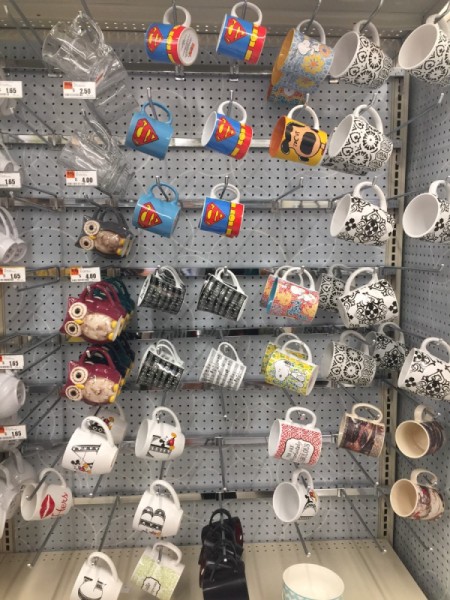
I was at Walmart around the kitchen section and passed by the coffee mugs. There were tons of them, and I decided to take a picture so I could go over them in detail later. I had missed the Snoopy one while there, but spotted it in my photo.
Just picked up some little spray bottles of the classic French scent Intimate - from the 99 Cent Store! I looked it up, and it is a brand from a 50's French designer. the price at which I got it was 1/2 off even the net's discount price.
There is a time when things aren't on sale-no matter what the store sign says, what's written on the price tag, or how much the cashier actually charges. When is this? When you pay with your charge card.
Some of the best ways I've personally saved some money has been through these things:
Most coupons are not that great as you get caught up in buying other products or buying more than you need regarding food & then it goes to waste. However, recently we had a local retailer advertise a sale for 3 days, everything in the store 20% off!
I always spend less money if I use cash instead of my debit card or check book. An excellent tip that I have used for years is so easy. When I shop...