Home |  Index |  Submit Request |  Share Photos |  Share Tips |  Active Topics |  New Feedback  |  Contact Us  |  Search
 User Login:  Username:    Password:      Forgot It?  | Join ThriftyFun!

 Popular Topics
 - Beauty
 - Budget and Finance
 - Christmas *
 - Cleaning
 - Consumer Advice
 - Craft Projects
 - Craft Tips
 - Food Tips
 - Garage Sales
 - Gardening
 - Gifts
 - Green Living
 - Home Improvement
 - Organizing
 - Parenting
 - Parties
 - Pest Control
 - Pets
 - Product Reviews
 - Recipes
 - Repair
 - Thanksgiving
 - Weddings for Less

More Topics

Google Search:

Web thriftyfun.com

About:
RSS Feed
About Us
Media
Advertising
Contact Us
Privacy Statement
Disclaimer

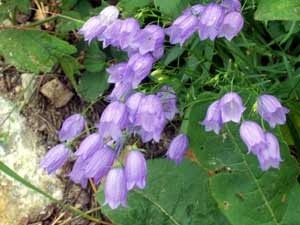
Growing: Canterbury Bells (Bellflowers)

By Ellen Brown
1x1
Date: 02/21/2006 Topic: Gardening > Growing Guides > Annuals  
1x1
1x1
Post Feedback! | Email Friend | Print | Get Responses | Bookmark | del.icio.us | Link | Rate: Thumbs Up Thumbs Down
Growing: Canterbury Bells (Bellflowers)
Botanical Name: Campanula media
Life Cycle: annual (biennial)
Planting Time: spring or summer
Height: 2' to 4'
Exposure: full sun, afternoon shade in warmer zones
Soil: rich, well-drained soil
Hardiness: zones 4 to 10; best where summer temperatures fall below 70ºF at night and should be mulched over-winter in areas with harsh winters
Bloom Time: summer
Flower: white, pinks, blue and lavender bell-shaped flowers
Foliage: green
Propagation: seeds
Suggested Use: beds, borders, cut flowers or large plantings
Growing Hints: Canterbury bells do best if you treat them like biennials. To do this, sow seeds outdoors in bed or pots in early summer. The leaves will grow but they will not flower the first year. In the fall, cover them for the winter (they are hardy in zones 5 to 8). The following spring, move them to the location in the garden you want them to bloom. After the height of the main flowering, snip off spent flowers and stems just above the leaves and apply a 5-10-5 fertilizer to encourage a second round of flowers.
Interesting Facts: Bellflowers come in many varieties-from ground covers as low as 3 inches and upright varieties as tall as 5 feet. They are virtually problem-free, but do need evenly consistently moist (not wet) soil.
Jump to Feedback | Post feedback
Related Links:
Previous: Acid Reflux Remedies ThriftyFun Next: Growing: Candytuft
1x1
 Feedback
1x1
1x1
1x1
1x1
 Sponsors
1x1
1x1

No Feedback Yet

Be the first to post feedback! Click here to post feedback.

1x1

Post Feedback:
Login using the form on the top of the page to post feedback if you have registered with ThriftyFun. If you have not yet registered, click here. It's FREE!. If you are not registered you can post feedback as a guest below. Please don't use your email address for your name because spam robots can dredge it from our site. Please do not post your feedback more than ONCE. We need to approve all guest feedback and it may take from minutes to hours for that to happen.
(1x1 graphic )
Your Name

Subject

Feedback

text tool text tool text tool text tool

Image Upload: Add an image to your post! Click the "Browse" button below and select an image from your hard drive. Please only select gifs or jpegs. If you have any problems, just email the image to images@thriftyfun.com


If you want to post your email address for responses from readers, obscure it in some way like put spaces between the name and @ sign and service address with (remove spaces) behind it or name (at) server (dot) com . This is for your protection from those creepy Robots.

(1x1 graphic )

© 1997-2008 ThriftyFun.com - Design by Cumuli Design
Disclaimer: ThriftyFun.com cannot accept any responsibility for any injury or damage that you may cause to yourself, others, or property when following any advice given on this site. Read the full disclaimer. If you find any information on ThriftyFun.com or in our newsletters that is either erroneous and/or potentially harmful to others, please Contact Us, immediately.