Home |  Index |  Submit Request |  Share Photos |  Share Tips |  Active Topics |  New Feedback  |  Contact Us  |  Search
 User Login:  Username:    Password:      Forgot It?  | Join ThriftyFun!

 Popular Topics
 - Beauty
 - Budget and Finance
 - Christmas *
 - Cleaning
 - Consumer Advice
 - Craft Projects
 - Craft Tips
 - Food Tips
 - Garage Sales
 - Gardening
 - Gifts
 - Green Living
 - Home Improvement
 - Organizing
 - Parenting
 - Parties
 - Pest Control
 - Pets
 - Product Reviews
 - Recipes
 - Repair
 - Thanksgiving
 - Weddings for Less

More Topics

Google Search:

Web thriftyfun.com

About:
RSS Feed
About Us
Media
Advertising
Contact Us
Privacy Statement
Disclaimer

Mow & Edge, The Basics of Lawn Care Article

By Jack Stone
1x1
Date: 04/17/2004 Topics: Gardening > Lawn | Home Improvement > Landscaping  
1x1
1x1
Post Feedback! | Email Friend | Print | Get Responses | Bookmark | del.icio.us | Link | Rate: Thumbs Up Thumbs Down
Copyright © 2003 by ProGardenBiz

Speed. Accuracy. Efficiency. For anyone who has a lot of lawns to mow these three things are very important.

Speed. Getting the job done as quickly as possible. The faster you can do a job, the more jobs you have time to do.

Accuracy. Doing the job right the first time you do it. Having to do part of a job over wastes time.

Efficiency. Doing all parts of a job in a logical, convenient order, as well as using the right tool or a better tool.

Let's apply these ideas to mowing and trimming a lawn. If you are like most gardeners the first thing you probably do when you arrive at a customer's house is mow the lawn. Next, you edge and/or line trim it. Mow and edge, that's what its called isn't it? Yes, but the procedure is not efficient.

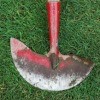
The edger is the first tool you should use. It's used for trimming along hard edges such as sidewalks and driveways. It's more accurate and leaves fewer divots than a line trimmer. With a proper length blade and an established edge, the edger is also faster than a line trimmer.

Next, use the line trimmer. Use this tool in such a way as to cause the trimmed grass to be thrown onto the lawn and not into beds, groundcover, and shrubbery. The line trimmer is the messiest of the grass cutting tools you use.

Finally, mow. Not only will your lawn mower pick up grass from its own activity, but it will collect a good deal of the trimmings created by the edger and line trimmer. This saves you raking, sweeping, and blowing time.

Some other ideas: Edge the entire perimeter of a lawn with the edger. Edge along hard edges as well as beds and tree wells. Since an edger cuts deeper into the soil than a line trimmer it's more efficient at cutting stolons or runners on such grasses as Bermuda and Kikuyu. An edger can also create a clean crisp straight edge along beds. This is much more attractive than the typical wavy edge left by a line trimmer.

Don't let grass grow up against fence boards, walls, or plants. By maintaining a narrow edge with your edger or line trimmer you can prevent damage to these features as well as using less line.

Don't run your edger blade right up against concrete. Nothing works faster than concrete to turn your edger blade into an edger stub. Create an edge that's at least a 1/2" wide. Such an edge reduces wear to a blade and makes edging faster.

The line trimmer is the most dangerous of your lawn care tools. Line trimmers are notorious for the damage they cause to fence posts, sign posts, bender board, fence board, and stucco. Avoiding damage to these structures is easy. It's simply a matter of trimming carefully and slowly. If time is important then you should create edges, borders or wells around or along these structures. A combination of proper edging techniques, plant growth regulators, and herbicides should do the trick quite well. Plant growth regulators can cut your edging and line trimming time by as much as 75%. Instead of trimming once per week you may need to trim only once per month.

The other landscape feature a line trimmer is dangerous around is trees. There is nothing more unsightly and amateurish than trees damaged by an inept line trimmer operator. This is the one aspect of line trimmer use that customers are concerned most about. Nothing can kill a tree faster than having its bark and vascular layers slashed by someone who doesn't know how to use a line trimmer properly. A damaged tree is susceptible to insects, fungi, and diseases. In some tree species, this can lead to a quick death. When using a line trimmer around trees and other plants be very, very careful. Its always advisable to create at least a small well around any plant that's located in a lawn.

Remember, work smart. Don't work hard, work efficiently.

About The Author:
Jack Stone is a Contributing Editor for ProGardenBiz Magazine, an online magazine for professional gardeners and landscape contractors. Visit ProGardenBiz to find out how you can get a free subscription, start-up guidance, business ideas and inspiration at http://www.progardenbiz.com
Jump to Feedback | Post feedback
Related Links:
Previous: Make Your Own Automatic Pet Feeder ThriftyFun Next: Saving Water, Energy, and Money in the Home (PDF)
1x1
 Feedback
1x1
1x1
1x1
1x1
 Sponsors
1x1
1x1

No Feedback Yet

Be the first to post feedback! Click here to post feedback.

1x1

Post Feedback:
Login using the form on the top of the page to post feedback if you have registered with ThriftyFun. If you have not yet registered, click here. It's FREE!. If you are not registered you can post feedback as a guest below. Please don't use your email address for your name because spam robots can dredge it from our site. Please do not post your feedback more than ONCE. We need to approve all guest feedback and it may take from minutes to hours for that to happen.
(1x1 graphic )
Your Name

Subject

Feedback

text tool text tool text tool text tool

Image Upload: Add an image to your post! Click the "Browse" button below and select an image from your hard drive. Please only select gifs or jpegs. If you have any problems, just email the image to images@thriftyfun.com


If you want to post your email address for responses from readers, obscure it in some way like put spaces between the name and @ sign and service address with (remove spaces) behind it or name (at) server (dot) com . This is for your protection from those creepy Robots.

(1x1 graphic )

© 1997-2009 ThriftyFun.com - Design by Cumuli Design
Disclaimer: ThriftyFun.com cannot accept any responsibility for any injury or damage that you may cause to yourself, others, or property when following any advice given on this site. Read the full disclaimer. If you find any information on ThriftyFun.com or in our newsletters that is either erroneous and/or potentially harmful to others, please Contact Us, immediately.