If you've ever tried and failed to grow eggplants, don't feel bad. You're not alone. Eggplants like to be pampered. These divas of the vegetable garden have a very low tolerance for stress, so unless your garden is in the perfect zone, growing them successfully is going to require a little bit more of your time and attention than usual.
If you're growing eggplants from seed, you'll want to give them a big headstart by starting them indoors (unless you live in a hot and humid zone with a long growing season). Sow seeds from 8 to 10 weeks before your last spring frost date.
Most cultivars need at least 100 to 150 days of warm weather to produce, so gardeners in cooler zones (like zones 3 and 4) need to look for early producing varieties that mature in 60-70 days. Ichiban and Dusky are two good examples.
Don't rush transplants (or bedding plants) into the garden. Make sure the air AND soil temperatures are consistently in the 70 degrees F (21 degrees C) range first. If necessary, use black plastic to prewarm the soil in cooler zones.
Eggplants need temperatures of approximately 75-85 degrees F (25-30 degrees C) to produce. Growth is stalled below 68 degrees F (20 degrees C) and may permanently stop if exposed to temperatures below 50 degrees F (10 degrees C) for any length of time. Placing dark colored rocks or bricks around the base of the plant can help retain the heat of the sun while plants are young.
Pollination can only occur during warm nighttime temperatures. Watch the weather. If temperatures are predicted to dip below 60 degrees F, you may want to cover your plants to avoid flower drop. Eggplants are self-pollinating, so hoop houses and row covers can be used from planting until harvest. Just make sure if you use plastic to remove it during the day to avoid cooking the plants.
Start with soil that is rich in organic matter, well-drained, and warm. Use a rich multipurpose potting soil for containers.
Eggplants become stressed with too much or too little water. Try to keep the soil as evenly moist as possible through the season.
They like small amounts of food all season long. Too much nitrogen will produce lots of foliage but not much in the way of fruits. Feed plants with a diluted liquid fish emulsion weekly until flowers appear. Container plants should be fed a high pot-ash organic liquid fertilizer once fruit starts to set.
Control insect infestations and diseases promptly.
Eggplants appreciate a site that is warm, humid, and sheltered from the wind. Hoop houses, greenhouses, or row covers are good choices for keeping out cool temperatures, damaging winds and insects like flea beetles, while retaining the heat and humidity. If you use plastic row covers cut ample slits along the sides for ventilation and make sure to remove them during the heat of the day.
Tall plants should be staked to support the weight of growing fruit.
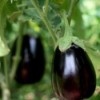
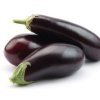
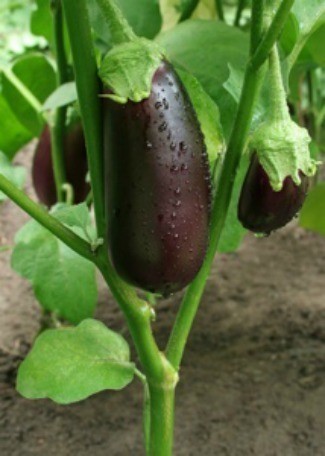
With a bit of luck and a lot of pampering, you should be able to harvest your eggplants when they reach the desired size. Keep in mind you'll get larger fruits by allowing only 4 to 6 to grow on a plant. Harvest the fruits while the skin is still glossy. Dull skin means the fruit has passed its prime.
About The Author: Ellen Brown is an environmental writer and photographer and the owner of Sustainable Media, an environmental media company that specializes in helping businesses and organizations promote eco-friendly products and services.
Add your voice! Click below to comment. ThriftyFun is powered by your wisdom!
Thank you Ellen! How timely. I went online today to see if I could find out what was stunting my eggplants this year. I've never had a problem before but this year they have really struggled. I'm in the midwest and we had one of the coolest and wettest summers on record.
Add your voice! Click below to comment. ThriftyFun is powered by your wisdom!