ThriftyFun Logo
Home   Find   Ask   Share   Answer   Join   Index   Login  
 
 User Login:  Username:    Password:      Forgot It?  | Join ThriftyFun!

 - Beauty
 - Budget and Finance
 - Cleaning
 - Consumer Advice
 - Craft Projects
 - Craft Tips
 - Food Tips
 - Garage Sales
 - Gardening
 - Gifts
 - Green Living
 - Home Improvement
 - Organizing
 - Parenting
 - Parties
 - Pest Control
 - Pets
 - Product Reviews
 - Recipes
 - Repair
 - Weddings for Less

RSS Feed
About Us
Media
Advertising
Contact Us
Privacy Statement
Disclaimer

Growing Your Own Sprouts

By Arzeena Hamir
1x1
Date: 03/25/2005 Topic: Gardening > Growing Food  
1x1
Post Feedback | Get Responses | Bookmark | Link | Print | Print (With Feedback) | Rate: Thumbs Up Thumbs Down | Bookmark and Share
Sprouts are an excellent source of digestible protein, fibre, and Vitamin C, and are full of antioxidants. A 1997 study at John Hopkins University found that broccoli sprouts contain higher levels of cancer-fighting compounds than fresh broccoli itself.

Sprouting is so low-tech that it doesn't even require a green thumb. Some simple equipment and just a few steps will ensure that you and your family have a safe supply of this extremely nutritious food source.

Most people have heard of sprouting seed in a jar. However, as easy as thismethod sounds, it can be difficult to ensure that all of the excess moisture has drained. The humid environment inside a sprouting jar can encourage fungi and bacteria to grow. You'll find a slimy film on sprouts that have been sitting in water too long without being rinsed properly. I would not recommend growing sprouts in jars for anyone suffering from a suppressed immune system or for young children or the elderly.

The safest way to grow sprouts at home is to actually grow the seeds in soil. Any type of soil can be used but sterilized potting soil is the easiest to work with. Use whatever containers you have around the house - yoghurt containers, bowls, even baking dishes, the shallower the better. The sprouts won't require any fertilizer since all the nutrients required for growth are in the seed.

Next, just follow these simple steps:

  • Soak the seeds overnight in lukewarm water.
  • In the morning, drain the water
  • Place a layer of seed in your container which you've already pre-filled with moist soil.
  • Cover the seed with more moist soil and then cover the entire dish with Saran wrap
  • Place in a warm, dark corner of your kitchen.
  • The seeds will begin to sprout in about 3-5 days

To harvest, just take your kitchen scissors and cut what you need. The rest can be left to keep growing and harvested later. Refrigerate any unused, harvested sprouts. Sprouts grown from barley, wheat and rye will actually give you more than one crop and can be cut a number of times.

If you still prefer the soil-less method, I would encourage you to invest in a spouter that has multiple layers and trays with drainage holes. Not only do the drainage holes ensure that the sprouts remain disease-free, sprouters will encourage you to keep growing more sprouts when you see how easy it is to use them. Sprouters work best with small seeds like alfalfa, clover, and onion. All you have to do is rinse the sprouts once a day and refrigerate them once they have sprouted.

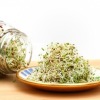
Sprouts can be grown from a wide variety of seed, each with their own distinctive flavour. While most people are familiar with alfalfa, clover, and mung bean sprouts, you can grow sprouts from the seeds of radish, fenugreek, Azuki bean, lentils, lima bean, kale, cabbage, broccoli, sunflower, onion, rye, barley, wheat and even buckwheat.

The key to starting sprouts is to find a good source of organic, untreated seed. Common garden seed found in your garden centre is often treated with chemical fungicides and should not be used for sprouting. You can find packages of organic sprouting seed at your local health food store or from a variety of mail-order companies.

For more information about sprouting, you can refer to the following resources:

International Sprout Growers Association: http://www.isga-sprouts.org

About The Author: Arzeena Hamir is an agronomist and garden writer based in Vancouver, BC. She has worked in the organic gardening industry for 8 years as a consultant and trainer. When she's not planting peas or harvesting zucchini, she runs Terra Viva Organics

(1x1 graphic )
Previous: Flowers for the Entry ThriftyFun Next: Garden Stepping Stones
(1x1 graphic )
1x1
1x1
 Feedback
1x1
1x1
1x1

By ThriftyFun (3107) Profile Blog! Contact
Grow your own sprouts from seeds and beans, by sprouting them.
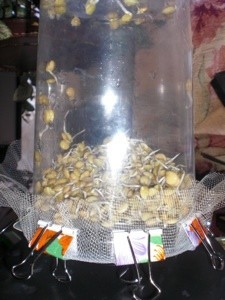
Soak overnight and then place them in a jar in a dark warm place, with a piece of cloth (cheese cloth works well) on the top of the jar instead of the lid. Rinse morning and night and sprouts will be ready in 3-5 days, to green place sprouts in sunlight. Enjoy on sandwiches and as a salad.

By h_fenwick

Editor's Note: Buy sprouting seeds from a natural foods store or seed supplier that are untreated seeds for sprouting. You can also use your own seeds leftover from last year that you have collected if they were grown without chemicals. Don't use the growing seeds right out of the packets because many have been treated with fungicides which wouldn't be good to eat.

Posted on 04/20/2006 | Report Spam or Abuse

1x1
1x1
 Post Feedback:
1x1
1x1
1x1

Login using the form on the top of the page to post feedback (if you are a registered user). If you have not yet registered, click here to do so. It's FREE!.

1x1
(1x1 graphic )

© 1997-2009 ThriftyFun.com - Design by Cumuli Design
Disclaimer: ThriftyFun.com cannot accept any responsibility for any injury or damage that you may cause to yourself, others, or property when following any advice given on this site. Read the full disclaimer. If you find any information on ThriftyFun.com or in our newsletters that is either erroneous and/or potentially harmful to others, please Contact Us, immediately.