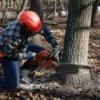
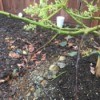
We have a very large sweet gum tree. A large area of bark has come off the tree and a lot of the roots are exposed. Is this tree dying from the loss of bark? How can I cover up the roots? The roots have ruined my front yard.
Margie
Hi Margie,
Sorry to hear about your Sweet Gum tree. The outer layer of bark on a tree functions to protect the living layers that lie just beneath it. This means that any damage sustained to the trunk that results in a substantial loss of bark will certainly have an effect on the performance of the tree. Bark loss that extends all the way around the girth of the tree spells certain death. A large loss limited to one side of the tree may only affect that side of the tree in the same way an amputation would. I would recommend calling a professional tree service to schedule an onsite inspection. They will be able to assess your situation and give you a good idea of your tree's chances for survival.
Much of the root system of a Sweet Gum tree is shallow (just beneath the surface of the soil. As the tree gets older, the roots become larger around in size and start to push up through the soil. Over time, these exposed roots can lift sidewalks, interfere with mowing, and create a tripping hazard in the yard.
Most tree experts would advise you to NOT cover the exposed roots of your tree with soil. This is because the addition of soil will change drainage patterns around the tree's root zone, thereby changing the way oxygen and water are distributed to the roots. Sudden or severe changes in oxygen availability can spell disaster (even death) to your tree, and given that it may already be in trouble, it's not worth taking the chance. Cutting the roots can have a similar disastrous affect. There is no way to know how much of the root system that tree can afford to lose without adversely affecting it. Any wounds you make in the bark can also create a road in for insects and disease.
A better solution may be to plant an interesting ground cover nearby that will spread and grow over the roots. A coarse mulch like woodchips may also allow enough air and water to penetrate to the root zone, but again, a professional will be able to better advise you after an onsite visit.
Good luck!
Ellen
About The Author: Ellen Brown is an environmental writer and photographer and the owner of Sustainable Media, an environmental media company that specializes in helping businesses and organizations promote eco-friendly products and services. Contact her on the web at http://www.sustainable-media.com
Add your voice! Click below to answer. ThriftyFun is powered by your wisdom!
I would call a tree surgeon and ask them.
I would be very careful - out here some species of gum are called widow makers because they have a habit of dropping branches without warning especially in the dry or drought conditions
This is off topic, but I did not see how to ask a new question.
I have a 10 foot volunteer sweet gum in my yard. Should
I pinch off the suckers in the trunk to promote growth or leave them alone?
Chris
Can you tell me how to stop the "sprouts" that shoot up from the taproots, so many of them. I have to cut them off every day almost, or my yard would have a big covering of them . They are easy enough to snip off, but I am getting very disheartened by how they look. A tree company fed the tree, pruned it bur these sprouts continue all the time. Would really appreciate your opinion and advice. Thank you very much. Maeve
I transplanted a 12" sweet gum from South Carolina to my yard in North Texas July 2006. It has really struggled apparently. It gets plenty of water and yet the tree is only about 38 inches tall in September of 2008. There was more vertical growth this year than ever but it still seems much too slow of growth compared to what I have seen others do.
Add your voice! Click below to answer. ThriftyFun is powered by your wisdom!