| Botanical Name: |
| Carum carvi |
| Common names: |
| Caraway |
| Description: |
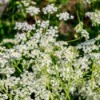
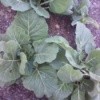
| Caraway are grown not so much for their medicinal herbal properties as they are for their culinary uses in flavoring in dishes, candies and liqueurs. It has bright green leaves similar to a carrot top and 18 to 30 inch stems that appear rather weedy looking. |
| Life Cycle: |
| hardy biennial; does not grow well in warm humid climates. |
| Exposure: |
| full sun with shelter |
| Cultivation: |
| Sow caraway seeds in the fall and be patient, because they are slow to germinate. If harvesting for seeds, caraway plants are best sown in drifts or clumps so plants can grow into one another for support. If you intend to use them for their roots, planting in rows will be more convenient. Caraway plants will tolerate any type of soil, but sow seeds in their permanent growing location because they do not transplant well. They should be thinned to 6 inches apart. |
| Propagation: |
| seeds |
| Parts Used: |
| leaves, roots and seeds; caraway has a flavor in between dill and parsley. |
| Harvesting and Storage: |
| Harvest seeds before they fall, leaving a few to remain to provide a supply of self-sown seedlings for next year. Cut leaves as needed. When seeds turn yellow, collect them and preserve them by drying. After harvesting the seeds, cut the entire plants to the ground. |
| Medicinal Uses: |
| flatulence, cramps, diverticulitis, menstrual pain, labor pains; stimulate the production of breast milk and can be combined with other herbs to treat coughs, sore throat and laryngitis. |
| Culinary Uses |
| seeds, cakes, breads, cheese, candy, and flavoring liqueur |
| Other Uses: |
| wreaths (seed heads), potpourri |
Add your voice! Click below to comment. ThriftyFun is powered by your wisdom!
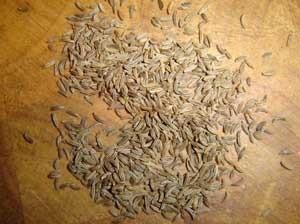
I have caraway seeds I bought in the grocery store for cooking. Can I propagate these seeds?
I believe that the commercial drying process for herbs and spices will leave the seeds sterile. You could try putting some in a wet paper towel to see if they sprout.
Add your voice! Click below to comment. ThriftyFun is powered by your wisdom!