Home |  Index |  Submit Request |  Share Photos |  Share Tips |  Active Topics |  New Feedback  |  Contact Us  |  Search
 User Login:  Username:    Password:      Forgot It?  | Join ThriftyFun!

 Popular Topics
 - Beauty
 - Budget and Finance
 - Christmas *
 - Cleaning
 - Consumer Advice
 - Craft Projects
 - Craft Tips
 - Food Tips
 - Garage Sales
 - Gardening
 - Gifts
 - Green Living
 - Home Improvement
 - Organizing
 - Parenting
 - Parties
 - Pest Control
 - Pets
 - Product Reviews
 - Recipes
 - Repair
 - Thanksgiving
 - Weddings for Less

More Topics

Google Search:

Web thriftyfun.com

About:
RSS Feed
About Us
Media
Advertising
Contact Us
Privacy Statement
Disclaimer

Growing: Chervil

By Ellen Brown
1x1
Date: 04/27/2006 Topic: Gardening > Growing Guides > Herbs  
1x1
1x1
Post Feedback! | Email Friend | Print | Get Responses | Bookmark | del.icio.us | Link | Rate: Thumbs Up Thumbs Down
Growing: Chervil
Botanical Name:
Anthriscus
Common names:
Chervil
Description:
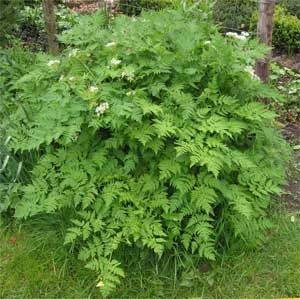
In appearance, Chervil closely resembles Italian parsley. Plants have light green, fernlike leaves, grow to about 24 inches in height, and unlike Italian parsley, it tastes slightly like licorice. Chervil is one of the ingredients of fines herbes, an herbal blend of fresh parsley, chervil, tarragon, chives and coriander used widely in French cooking.
Life Cycle:
hardy perennial
Exposure:
partial shade
Cultivation:
Chervil prefers fertile, moist soil. Plants resist transplanting so broadcast seeds directly in the ground in late spring or summer. The plant is easily grown from seeds and produces dainty white flowers that readily reseed themselves in late summer. Plant in succession for harvesting all season. Chervil does not like the heat and should be planted in partial shade and watered regularly to prevent it from bolting prematurely. Plants grow well in widow boxes and containers.
Propagation:
seeds, self-sowing
Parts Used:
leaves
Harvesting and Storage:
To use Chervil for cooking, use a scissors to take fresh cuttings from the outer edges of the leaves. The leaves lose their flavor quickly and should be added to dishes immediately prior to serving.
Medicinal Uses:
poultice
Culinary Uses
used to flavor meats, fish, salads, herb butter, cottage cheese, vegetables, creamy soups
Other Uses:
wreaths, skin-care, perennial borders
Jump to Feedback | Post feedback
Related Links:
Previous: Enticing the Cat to Swim ThriftyFun Next: Growing: Chamomile
1x1
 Feedback
1x1
1x1
1x1
1x1
 Sponsors
1x1
1x1

No Feedback Yet

Be the first to post feedback! Click here to post feedback.

1x1

Post Feedback:
Login using the form on the top of the page to post feedback if you have registered with ThriftyFun. If you have not yet registered, click here. It's FREE!. If you are not registered you can post feedback as a guest below. Please don't use your email address for your name because spam robots can dredge it from our site. Please do not post your feedback more than ONCE. We need to approve all guest feedback and it may take from minutes to hours for that to happen.
(1x1 graphic )
Your Name

Subject

Feedback

text tool text tool text tool text tool

Image Upload: Add an image to your post! Click the "Browse" button below and select an image from your hard drive. Please only select gifs or jpegs. If you have any problems, just email the image to images@thriftyfun.com


If you want to post your email address for responses from readers, obscure it in some way like put spaces between the name and @ sign and service address with (remove spaces) behind it or name (at) server (dot) com . This is for your protection from those creepy Robots.

(1x1 graphic )

© 1997-2008 ThriftyFun.com - Design by Cumuli Design
Disclaimer: ThriftyFun.com cannot accept any responsibility for any injury or damage that you may cause to yourself, others, or property when following any advice given on this site. Read the full disclaimer. If you find any information on ThriftyFun.com or in our newsletters that is either erroneous and/or potentially harmful to others, please Contact Us, immediately.