ThriftyFun Logo
Home   Find   Ask   Share   Answer   Join   Index   Login  
 
 User Login:  Username:    Password:      Forgot It?  | Join ThriftyFun!

 - Beauty
 - Budget and Finance
 - Cleaning
 - Consumer Advice
 - Craft Projects
 - Craft Tips
 - Food Tips
 - Garage Sales
 - Gardening
 - Gifts
 - Green Living
 - Home Improvement
 - Organizing
 - Parenting
 - Parties
 - Pest Control
 - Pets
 - Product Reviews
 - Recipes
 - Repair
 - Weddings for Less

RSS Feed
About Us
Media
Advertising
Contact Us
Privacy Statement
Disclaimer

Round Holes in My Lilac Bushes

By Ellen Brown
1x1
Date: 08/31/2006 Topics: Gardening > Pest Control | Readers Request > Gardening  
1x1
Post Feedback | Get Responses | Bookmark | Link | Print | Print (With Feedback) | Rate: Thumbs Up Thumbs Down | Bookmark and Share

Question:

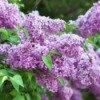
Something is eating my lilacs as well as my flowering crabapple trees leaves. The holes are perfectly round, like a hole punch. This starts well after the flowers are gone. Can bees be the problem?

Hardiness Zone: 4b

Thanks,
Nancy from Darlington, ID

Answer:

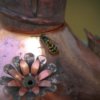
Nancy, If you've noticed bees around your crab apple tree and lilac bush, it's possible that you're seeing damage from leafcutter bees. They are similar in size to honey bees, but are darker in color with light bands on their abdomen. Leafcutter bees cut perfectly round or semicircular holes into the leaves and use the fragments to line the cells in their nests. These bees are actually important pollinators of wild plants and should not be considered pests. They are generally not aggressive unless handled and their sting is much milder and much less painful than that of honey bees or yellow jackets. Unlike their more social cousins the honey bees, leafcutter bees live a solitary life so you won't see big colonies or nests of them. The damage they do to leaves is only aesthetic and will not cause any lasting or permanent damage to your plants. In some cases, these bees have even been semi-domesticated and used for agricultural purposes to help pollinate alfalfa crops. They have many natural predators so you are likely to see their populations and activity vary from year to year.

Ellen

About The Author: Ellen Brown is our Green Living and Gardening Expert. Click here to ask Ellen a question! Ellen Brown is an environmental writer and photographer and the owner of Sustainable Media, an environmental media company that specializes in helping businesses and organizations promote eco-friendly products and services. Contact her on the web at http://www.sustainable-media.com

(1x1 graphic )
Previous: Bugs on My Cherry Tree ThriftyFun Next: Caramel Roll-Me-Ups
(1x1 graphic )
1x1
1x1
 Feedback
1x1
1x1
1x1

No Feedback Yet

Be the first to post feedback! Click here to post feedback.

1x1
1x1
 Post Feedback:
1x1
1x1
1x1

Login using the form on the top of the page to post feedback (if you are a registered user). If you have not yet registered, click here to do so. It's FREE!.

1x1
(1x1 graphic )

© 1997-2009 ThriftyFun.com - Design by Cumuli Design
Disclaimer: ThriftyFun.com cannot accept any responsibility for any injury or damage that you may cause to yourself, others, or property when following any advice given on this site. Read the full disclaimer. If you find any information on ThriftyFun.com or in our newsletters that is either erroneous and/or potentially harmful to others, please Contact Us, immediately.