Most of us are familiar with the concept of pet rescue groups, groups that take in unwanted, abused, or stray animals and attempt to find suitable homes for them. However, did you know that there are similar groups dedicated to rescuing native wildflowers?
Advertisement
Promoting the Stewardship of Our Natural Heritage
There are at least 40 wildflower rescue groups in the United States, and several more groups spread across Canada. The groups are made up of thousands of volunteers, each dedicated to preserving and promoting the stewardship of our natural heritage. The purpose of wildflower rescue groups is two-fold. Their primary purpose is to salvage wildflowers and other native plants that are in imminent danger of being destroyed due to loss of habitat. They also work tirelessly to educate the public about the important role native plant species play in our ecosystems.
How Plants Are Rescued
Rescuing wildflowers usually starts with a phone call that alerts the group that some native plants may be lost to construction or development. Sometimes the calls come from the landowners themselves, and other times they come from neighbors, volunteers, or other conservation groups. With shovels and pots in hand, wildflower rescue groups then go to the sites slated for demolition or development and dig up, pot, and move native wildflowers out of harm's way. Groups remove plants only after receiving written permission, which also releases the landowner from any liability. The wishes of the landowner are always respected, and in many cases, wildflowers and native plants not in danger of being destroyed are often left on the site intact. Removal is usually done before construction commences, although many volunteers have reported scrambling to salvage plants while bulldozers were literally 'nipping at their heels'.
Advertisement
How to Obtain Rescued Plants
Once safely out of harm's way, many rescued plants are donated to public gardens and botanical societies, or potted and sold to raise money to fund more rescues. This is a wonderful way to obtain native plants. To ensure the best selection, it is best to contact rescue groups directly, and place your order early.
Some nurseries and mail-order companies also sell wildflower plants. For the sake of conservation, it is always preferable to purchase native plants that have been propagated from seeds, cuttings, or division instead of those collected from the wild.
Rescuing Plants On Your Own
Ideally, wildflowers should be left in their native habitat for everyone to enjoy. Don't become just another plant poacher. If you are considering rescuing plants from a construction site to protect them from otherwise being destroyed, make sure to obtain permission from the landowner beforehand. The first rule is 'do no harm'.
Advertisement
Remember that collecting from national or state-owned land (parks, forests, roadsides) is strictly prohibited, and that some wildflowers that are endangered or threatened cannot be collected or rescued without first obtaining the proper permits. Never rescue threatened or endangered species for the purpose of personal profit.Just like cultivated flowers, native wildflowers must have specific growing requirements met in order to thrive. Before you set out to rescue fragile wildflowers, make sure you know how to properly care for the plants you rescue. Document the steps you take in caring for them so future plants have a better chance for survival. Natives should not be disturbed when they are in flower. Attempting to rescue and transplant wildflowers while they are in bloom will likely result in dead plants.
Advertisement
If time permits, it's better to mark the site and transplant or collect seeds at the appropriate time. For spring-flowering wildflowers, fall is the best time for transplanting. For fall-flowering wildflowers, spring is best. Seed collection is best done about a month after plants finish flowering.
Finding A Rescue Group Near You
Native wildflowers require less fertilizer, less pesticides, and less water to grow. They provide shelter and food for native wildlife in the form of nectar, seeds, and pollen. Perhaps most importantly, native wildflowers are beautiful to look at and promote the stewardship of our natural heritage. To find wildflower rescuers in your area, start by contacting a Native Plant Society in your state. Here are some links to native plant societies across the United States and Canada:
Excellent info. Just want to reiterate about NOT STEALING plants of any kind, from ANY public or private lands. Plant poaching sounds too nice when all you really are is a thief. It doesn't matter whether you take the whole plant or taking clippings. Even a single clipping, no matter how small) can introduce a bacteria or fungus and kill the parent plant.
A thief is a thief so just don't take anything that's already growing. It's not up to you to decide what the property owner or public trust does with their property and the plants on it. Please be extremely careful when taking seeds because no matter how carefully you tread around plants; you are compacting the soil, killing smaller plants that hold the soil and stop erosion and putting the parent plant at risk.
Advertisement
Try to leave as small a footprint as possible stepping on rocks whenever available. Please never, ever use an ATV on any private or public lands to gather plants. You will kill hundreds more plants than you save by being lazy about it. ATVs are ONLY for use on your property or private/public trust designated for ATV use. ATVs devastate the land they're driven on.
If the plants are easy to get to; be considerate. You know lots more people are taking seeds and trampling around the plants than if the plants are someplace off the beaten path. I have stopped and asked road crews if I can take some plants when their work will destroy the plants I desire. They've always been very accommodating about it and there's no question that I'm rescuing those plants as opposed to stealing them.
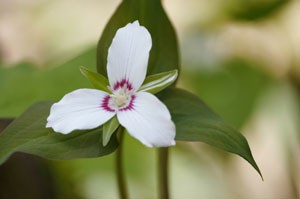 Most of us are familiar with the concept of pet rescue groups, groups that take in unwanted, abused, or stray animals and attempt to find suitable homes for them. However, did you know that there are similar groups dedicated to rescuing native wildflowers?