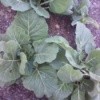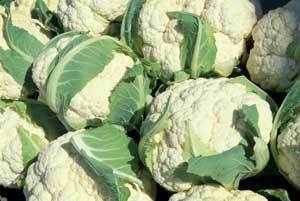
| Botanical Name: | Brassica oleracea ( Botrytis group) |
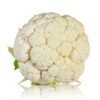
| Description: | A member of the cabbage family, cauliflower is comprised of bunches of tiny flowerets (heads) on clusters of stalks. Only the flowerets (heads) are eaten. Cauliflower is less tolerant of heat than other members of this genus. |
| Planting Time: | Cauliflower is planted as early as possible in cooler zones. Heads will taste bitter if they mature in warm weather and should be planted in the spring or late summer in warmer climates. |
| Exposure: | full sun |
| Soil: | well-drained, nutrient-rich soil |
| Planting: | Start seeds indoors 6 weeks before transplanting. Sow seeds 1/4 inch deep and 2 inches apart. Set transplants outdoors once temperatures reach 50ºF. |
| Watering: | Avoid getting water directly on the head of a cauliflower. Protect the heads from becoming damaged during heavy rains by temporarily covering them with plastic. |
| Maintenance: | To keep heads white, they need to be protected from the sun (blanched). Wrap leaves around the head when it reaches the size of a baseball and secure them with a rubber band, twine or plastic tape. Make sure the heads are completely dry before wrapping them. Unwrap them after heavy rains to allow them to dry out. |
| Harvesting & Storage: | The size of a mature head depends on the cultivar type and the weather, so harvest the heads when they are solid-before the curds (flowerets) begin to roughen and separate. Store them wrapped in plastic in the refrigerator for up to 1 week. |
| Diseases and Pests: | All members of the cabbage family are subject to a variety of diseases. The best defense is crop rotation and good cultivation practices. |
| Tips: | Remove cauliflower plants after harvesting the heads. Unlike broccoli, no off-shoots will appear when the main head is removed. |
This page contains the following solutions.
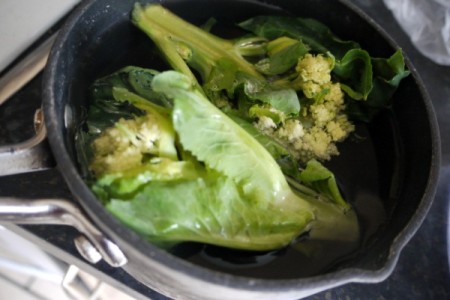
When harvesting your brassicas, leave the root in the ground with a few leaves still attached. In a few weeks time you will find you have tiny cabbages sprouting out from the stump which can be used as spring greens in late summer! Also baby cauliflowers and broccoli sprouts.
Here are the questions asked by community members. Read on to see the answers provided by the ThriftyFun community.
I am growing vegetables in an outside garden. My cauliflower is growing, but it is starting to turn purple on top before it is completely full. What can I do or is this normal?
By Jeri
I've never grown cauliflower successfully, too many rabbits in the neighborhood, but we bought this purple cauliflower a few years ago. I'd never seen it before, nor have I seen it since. Did you start your own seeds, or buy the plants from a nursery?
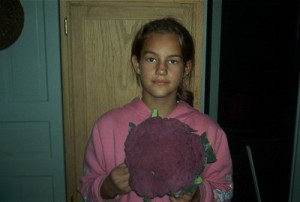
There is a variety of cauliflower that is purple. Mayhap that is what you have.
I have six cauliflower plants. One has a head, but the other five have nothing. What is up?
By Stacey D.
Cauliflower is a rather difficult plant to grow. I have had problems growing this in Tahiti. The rain will destroy the heads on the plants. Furthermore, when you water your cauliflower plants, water the base of the plants and don't allow water to get on the center of your plants.
When the heads begin to form, do I then tie the leaves together over it or do I wait?
By Sharon
Check out these photos.
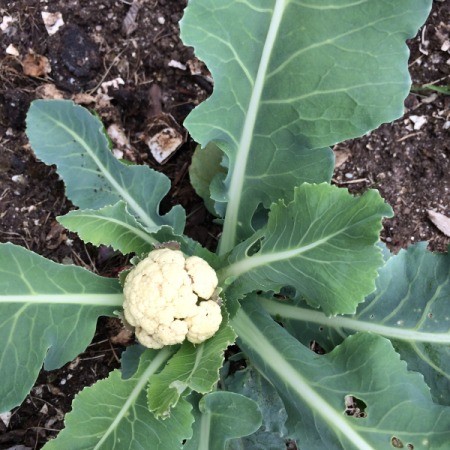
This plant was on sale, because warm weather is coming. Cauliflower likes cooler weather. I am hoping that this will get big enough to eat before the hot weather comes in.
This is a page about growing brassicas. The plants in this genus are members of the mustard family and include, cabbage, broccoli, kale, Brussels sprouts, and cauliflower.