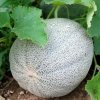
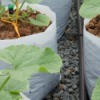
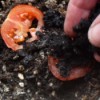
I am growing cantaloupes for the first time and every time the melon starts to get big, it cracks and gets invaded with ants. Any suggestions on what I should do to prevent this?
Hardiness Zone: 8b
Gwyn from Foresthill, CA
Gwyn,
Cracking is a problem commonly face by gardeners growing all types of melons. Like all melons, cantaloupes need a constant supply of soil moisture when they are becoming established, and throughout their growth and fruit development stages. If cantaloupes are grown in poorly drained soil, they may split or crack if excessive moisture is persistent at maturity. They may also crack when heavy rain or irrigation follows a dry spell-regardless of how well drained the soil is. Maintaining even soil moisture levels throughout the growing season is the key to avoiding this problem. Cantaloupe crops should not be irrigated when the melons are ripening. Not only will this cause some of the melons to split and crack, but it will also result in lower sugar content and less sweet tasting melons. Sometimes weather conditions make controlling soil moisture difficult. Certain varieties (e.g. Earliqueen, Athena) have been developed to produce rinds that are less resistant to cracking. There are many to choose from, so ask your favorite nursery or seed company what they recommend. Using black plastic or mulch will also help control weeds and moisture levels, as well as keeping soil temperatures nice and warm.
Good luck!
Ellen
About The Author: Ellen Brown is our Green Living and Gardening Expert. Click here to ask Ellen a question! Ellen Brown is an environmental writer and photographer and the owner of Sustainable Media, an environmental media company that specializes in helping businesses and organizations promote eco-friendly products and services. Contact her on the web at http://www.sustainable-media.com
Add your voice! Click below to answer. ThriftyFun is powered by your wisdom!