| Botanical Name: |
| Thymus |
| Common names: |
| Thyme |
| Description: |
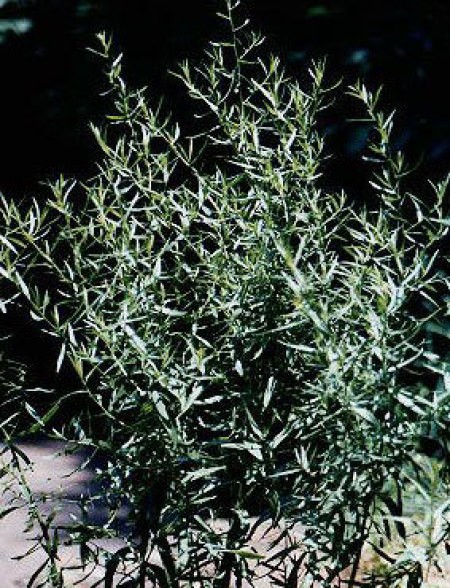
| Thyme is a highly aromatic herb that makes an attractive edging or perennial border and a culinary staple for any herb garden. Native to the Mediterranean, Thyme grows best in the cooler zones, where it is less prone to insect diseases than it is when grown in the south. These plants come in many varieties, but most only grow 6 to 12 inches in height, with dark green to gray leaves and pale pink flowers that appear at the tips of the stems in mid summer. |
| Life Cycle: |
| hardy evergreen sub-shrub |
| Exposure: |
| full sun |
| Cultivation: |
| For greater variety, start plants from seed, or you can transplant rooted cuttings in spring and summer or by layering in the fall. Thyme will grow in almost any well-drained soil, but grows best in soils with a neutral pH. Prune plants regularly and remove deadwood to help them maintain their shape. Cooler zones should take the usual precautions to protect plants against winter damage. |
| Propagation: |
| cuttings, layers, seed |
| Parts Used: |
| leaves |
| Harvesting and Storage: |
| Leaves can be harvested for fresh use throughout the summer, but the flavor is greatest when plants start to form buds. Keep the first year's harvest small to the give plants the opportunity to establish themselves. To dry, cut the stems just as the flowers start to open and hang in small bunches. |
| Medicinal Uses: |
| digestive; antiseptic; do not take Thyme if you are pregnant or plan on getting pregnant |
| Culinary Uses |
| bouquet garnish; stuffing; marinades; roasted meats; oils; vinegars. |
| Other Uses: |
| hair-care, skin-care; potpourri; insect repellant; scented candles; sachets. |
Add your voice! Click below to comment. ThriftyFun is powered by your wisdom!