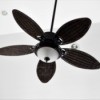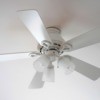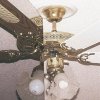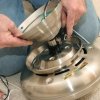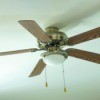
By setting your room ceiling fan on its lowest setting and using year round for heat or air conditioner, you can help lower the cost of your electricity bill. Remember to reverse the switch on the ceiling fans adjustments to the proper seasons use which will turn the fan the proper way to rotate the air going up or down to help keep the air flow (cool or warm air) in the room that your heat or air conditioner unit will distribute.
Add your voice! Click below to comment. ThriftyFun is powered by your wisdom!
I believe the debate is still open on when a ceiling fan saves energy. If it increases comfort when run at low speed with the thermostat set lower in winter, or higher in summer, then it may be a saver. But remember, electricity is typically the most expensive form of energy we use n our homes, so it is not a good substitute for the use of heat from natural gas.
Check out tips at www.energystar.gov/
Which direction should you set a ceiling fan in summer? Clockwise or counter-clockwise?
Editor's Note: Wiki says "In a room of normal height (8 - 10 ft), you should operate your fan so that it turns clockwise (this looks counterclockwise as you are looking up), causing a more directed downdraft, especially with the fan running slightly faster. This causes a wind-chill effect because the skin evaporates slight amounts of water from the sweat glands and thereby provides cooling through the skin's surface. However, the air is only moved but not cooled!"
Add your voice! Click below to comment. ThriftyFun is powered by your wisdom!