According to the Surgeon General, radon is the second leading cause of lung cancer in the United States-second only to smoking. For non-smokers it ranks number one. You may not realize it, but you and your family are likely to get your greatest exposure to radon at home. In fact, the EPA estimates that 1 out of every 15 homes in the U.S has elevated levels of radon. Is yours one of them?
Radon is a radioactive gas that is produced naturally when minerals like uranium and radium break down in the soil. As these minerals continuously break down in the environment, they release radiation. Outside air easily dilutes concentrations of radon gas. The danger occurs when radon levels build up indoors and people become exposed to these concentrated levels for extended periods of time.
In nature, radon is everywhere-in soil, rocks, water, and in the air we breathe.Because radon gas occurs naturally as minerals decay, radon concentrations for any given geographic region are primarily dependant on the geologic makeup of the soil. Certain places, like mines, caves and water treatment plants, are more prone to seeing high levels of radon. How homes are built and operated can also affect radon levels.
You can't see it, smell it or taste it, but that doesn't stop radon from entering your home and silently harming the health of your family. Because it's a gas, it moves easily through spaces in the soil or fill material around a home's foundation. Essentially, radon can enter your anywhere there is an opening between your home and the surrounding soil:
The highest levels of radon tend to be found in the lower levels of your home and can vary according to the season. This is because in certain climates, the lowest parts of the home tend to operate under negative pressure-especially during the heating season. This negative pressure creates a vacuum that acts to draw radon into the home. This vacuum can be caused by heated air rising; fireplaces, woodstoves and furnaces; air vented to the outside (clothes dryers, exhaust fans); or downwind drafts created as wind blows past your house. Upper levels of the home also tend to have a greater volume of diluted air due to open windows and doors, especially in warmer seasons.
Simply put, long-term exposure to elevated levels of radon can cause cancer. It causes an estimated 15,000 to 22,000 lung cancer deaths each year in the United States. Radon is a source of ionizing radiation, a known cancer-causing agent. Long-term exposure to high levels of radon harms the cells that make up our body's tissues and organs-often resulting in cancer.
The only way to measure your family's risk of exposure to radon is to have you home tested. The tests are simple to perform, inexpensive and can be done in the privacy of your own home. Once you find out what the levels of radon are in your home, you can decide what level of exposure is acceptable to you and take steps to lower your exposure if necessary. Radon mitigation doesn't have to be expensive; it may be as simple as repairing cracks in your foundation, or making small adjustments to your heating or cooling systems.
Even if your neighbors have tested their homes, it's not a good idea to rely on their results. Everyone's home is different in local soil, construction techniques and maintenance. Also keep in mind that testing radon levels once doesn't mean you're protected from high radon level in the future. Radon levels may change over time due to things like remodeling or changes that are made to your home's heating, air-conditioning or ventilation systems.
Remember, what you don't know can hurt you-maybe even kill you. That is certainly true when it comes to Radon gas. To find out more about radon and how to get radon levels tested in your home, visit the EPA's radon information pages at http://www.epa.gov/radon/
About The Author: Ellen Brown is an environmental writer and photographer and the owner of Sustainable Media, an environmental media company that specializes in helping businesses and organizations promote eco-friendly products and services. Contact her on the web at http://www.sustainable-media.com
Add your voice! Click below to comment. ThriftyFun is powered by your wisdom!
What type of lung cancer does Radon cause? I had half of my left lung removed because of Adenocarcinoma in 1998, and was told that it was probably caused by a lifetime of exposure to farm chemicals as I had lived on a farm for most of my life. I am living again on the same farm I grew up on. If Radon causes Adenocarcinoma, then I certainly want to know it and have my land tested.
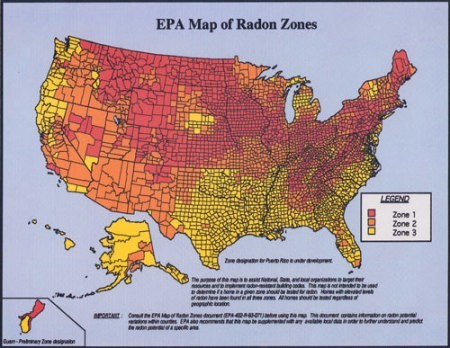
Editor's Note: Check at the website listed in More information. The map there shows the areas of higher risk and also there is a lot more information about testing, etc.
Add your voice! Click below to comment. ThriftyFun is powered by your wisdom!