You don't have to live in the tropics, or even in a warm USDA Hardiness Zone to grow flowering vines indoors. All you need to do is provide bright light, moderate temperatures, and in some cases, a little bit of extra humidity. Here are three examples of exotic vines that will add beautiful foliage, flowers, and fragrance to the inside of your home.
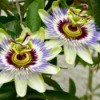
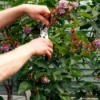
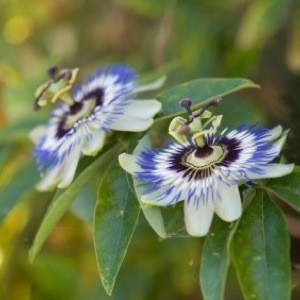
Passionflowers are native to the South American rainforests of Argentina and Brazil. There are many passiflora to choose from, but the one typically grown as a houseplant is the spring-flowering Passiflora caerulea. Its leaves are glossy and deeply lobed, and its large, exotic-looking purple and white flowers and green anthers are sure to impress you with their strong fragrance.
Despite their delicate appearance, 'passion vines' are aggressive climbers, and under the right conditions can easily grow up to 20 feet tall (though they seldom do indoors). When growth gets out of hand, cut the stems back in the spring-taking care not to remove the flower buds. Train the vines to grow on portable supports so you can place them on the patio for the summer and bring them back inside in the fall.
Ideal Conditions
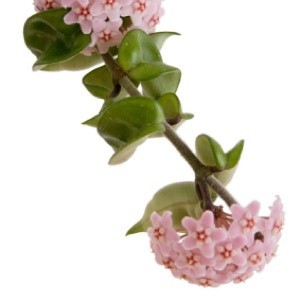
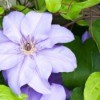
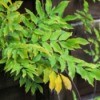
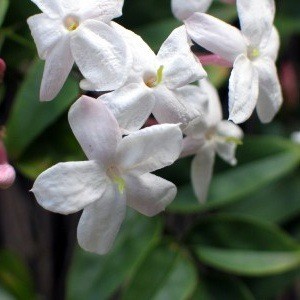
Native to southwest China, there are several varieties of Jasmines that can be kept as house plants. All are climbers and many bear clusters of flowers that offer a sweet, heady perfume. 'Pink Jasmine' is the easiest to grow. Its dark leaves provide the perfect contrast to clusters of pale rosy buds that open into masses of star-shaped white flowers in mid-winter. A vigorous climber, it can grow up to 10 feet high.
After it flowers it tends to develop straggly growth that can easily be kept in check with some trimming. Train your Pink Jasmine to grow on portable trellises or wire hoops so that you can move it out to the patio for the summer. The secret to growing Pink Jasmine successfully is to keep it plenty cool in the winter, give it plenty of light, and provide its twining stems with a good support to grow on.
Ideal Conditions
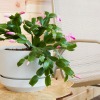
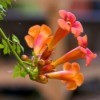
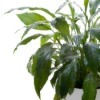
These lovely, easy-to-grow climbers hail from the warm and humid tropical rain forests of northern Australia. With twining stems that can reach 15 feet or more (18 inches in a single year) Hoyas must be trained on wire hoops or trellises to keep them from growing into a tangled mess. Known for their glossy, dark green leaves, and clusters of waxy, star-shaped flowers, several varieties of Hoya are available including Hoya carnosa (the basic species), variegata (pale pink flowers with red centers and cream-edged leaves), exotica (yellow-centered leaves), and H.
The fragrance of this species' flowers seems to be hit and miss. Some offer a lovely, candy-like scent, while others can run the gamut from downright offensive to having no scent at all. One thing is certain, once their flower buds appear (May to September), Hoyas do not like being disturbed. After they bloom, let the flower and stalk fall off on their own. To tidy up the plant, remove only the short stalks and avoid the spurs, which will compromise future flowers.
Ideal Conditions
About The Author: Ellen Brown is an environmental writer and photographer and the owner of Sustainable Media, an environmental media company that specializes in helping businesses and organizations promote eco-friendly products and services. Contact her on the web at http://www.sustainable-media.com
Add your voice! Click below to comment. ThriftyFun is powered by your wisdom!
Very interesting article Ellen. Would the passionfruit set fruit indoors?
Hi, I think the flowers would need to be pollinated to set fruit
I believe you have the pink jasmine and the hoya pictures switched. I know for sure that isn't a pink jasmine. It is a hoya rope plant.
The article from the link below states that Passiflora are self fertile, that is, they do not need another plant to reproduce. And should your plant be a bit lazy about self pollinating, it also contains instructions for hand pollinating.
Add your voice! Click below to comment. ThriftyFun is powered by your wisdom!