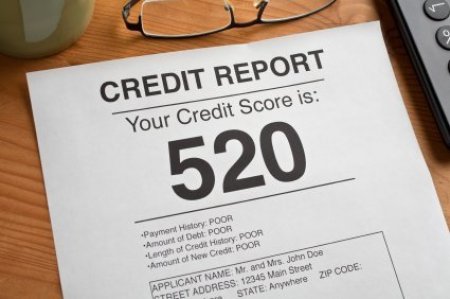
In the eyes of lenders, consumers amount to little more than a series of numbers. How high or low those number are affect the outcome of loans we apply for, deposit requirements from utility companies and landlords, limits on our credit cards, and even how much we're required to pay down (or pay in interest) to qualify for a mortgage. A low credit score can be crippling to your long-term financial health-if you don't take the appropriate steps to fix it.
Your credit score is based on information found in your credit report, so if you want to take steps to raise it, that's where you need to start. Begin by ordering your reports from all three credit bureaus and reviewing each one for accuracy. By federal law, U.S. consumers are entitled to one free credit report form each of the bureaus every year. You can order your reports from all three credit bureaus through the Annual Credit Report Request Service by calling (877) 322-8228 or view and print them online though its web site, www.annualcreditreport.com. You can also get additional reports from a service such as www.Myfico.com , or you can order from each bureau separately online or by phone:Equifaxwww.equifax.com1-800-685-1111Experianwww.experian.com888-397-3742TransUnionwww.transunion.com800-888-4213Once you receive your credit report, carefully review each section for errors and discrepancies.
Section #1: Identifying information. Look closely at the following:
Section #2: Credit accounts. After you check over identifying information move on to the section that lists the accounts you have opened and closed. Scan this section closely for the following:
If you find a number of incorrect entries, especially if they're delinquent or unpaid accounts, you could be a victim of identity theft. On the other hand, you could also be suffering from a credit bureau mix-up that accidentally merged someone else's information with yours (e.g. a family member with a similar name).
Section #3: Credit inquiries. Inquiries reveal who has asked to review your credit report. There are two types of inquiries: soft and hard. Soft inquiries are made by lenders looking to make preapproved credit offers or your own requests to see your credit history. These do not affect your credit score. Hard inquiries are the ones from lenders that resulted from you applying for credit (unsolicited credit cards, car loans, mortagages, etc.). Look for the following:
If you find any errors, add these to your list of items to dispute with the credit bureaus.
Section #4: Collections and public records. The last section of your credit report lists any collection actions and judgments that are a matter of public record-things like bankruptcies, foreclosures, garnishments, lawsuit judgments and tax liens. Here is what to look for:
Disputing Errors Credit bureaus are required by law to investigate any mistakes your bring to their attention and report back to your within 30 days. If you received your report in the mail it should have come with a form for disputing errors, otherwise you can call or visit the credit bureaus website for further instructions. Typically they ask the creditor that reported the information to check their records for errors. If the creditor can't vouch for the accuracy of what they reported or doesn't respond, the offending item will be removed from your account. Be warned however, it may show up again in the future if the creditors fail to update their records.
If you are having problems remembering to pay your bills on time, set up automatic payment plans for your recurring bills. If you're having problems keeping up on certain payments, call your creditor and ask if you can work out a new repayment plan.
Start aggressively paying down your debt with the goal of eliminating ALL of it. This may mean reprioritizing what you pay off first or even consolidating some your debts. When paying off credit cards, start with the card that carries a balance closest to the limit of the card. Resist the urge to transfer balances from one credit card to another to save on interest. Because your credit score is affected by the gap between the available credit and the limit on the card, transferring a balance from a high-limit card to a lower-limit card may ultimately "ding" your credit score-even if it saves you a few bucks in interest.Also, avoid transferring everything to one card. For the purpose of raising your credit score, it's better to have several cards with small balances rather than one card carrying a large balance. That's because the score looks at the gap between the balance and the limit on each card, as well as on all your cards put together.Pay attention to how much you charge each month: Stay well below your credit limits. Your credit card balances (the amount you carry plus the amount you charge) should never exceed 30% of your total credit limit at any given time. If your score is already in the high 700s in 800s, that percentage drops even further. You might need to use as little as 10 % or less of your limit to increase your score.
Closing credit cards and other revolving accounts can actually hurt your credit score, because it reduces your total available credit and that makes your balances appear larger. That narrowing of the gap between the credit you're using and the total credit available to you is one of the things that can hurt your score.The average age of your accounts also affects your credit score (older is better) so closing accounts can make a long credit history appear shorter than it actually is.
Don't apply for credit you don't need. The first few credit accounts you open can help build and improve your credit history, but there comes a point when each subsequent credit application just reduces your score. Where that point is, no one really knows. Most people don't need more than 2 credit cards from major banks. To raise your credit score, get your financial house in order first, and then go apply for that car loan or mortgage refinancing.
About The Author: Ellen Brown is an environmental writer and photographer and the owner of Sustainable Media, an environmental media company that specializes in helping businesses and organizations promote eco-friendly products and services.
Add your voice! Click below to comment. ThriftyFun is powered by your wisdom!