Try to imagine what your garden would look like if you took away all of the foliage and you really start to understand and appreciate its value. Usually, it plays the subtle, yet important role of providing a backdrop that showcases the colors of your flowers. Many gardeners are discovering that there are hundreds of plants worth growing just for their foliage. Plants that provide foliage give the garden color, shape and texture when nothing is in bloom.
As an element of design, shape is the way an object defines the quality of its space. The round leaves of nasturtiums, for example, give a whole different feel than the long, strap-like leaves of an iris. The margins of leaves also add interest and come in a variety of edges, from open and saw-like, to gently scalloped and smooth. When selecting plants, look for foliage with contrasting shapes to make borders more interesting. For example, combine tall, upright foliage with flat mats, and sharp, saw-toothed leaves with leaves that are soft and round.
In botanical terms, the texture of foliage refers to the downy, tight, velvety, and bristly hairs on a leaf's surface. Although it's often overlooked, foliage texture may be the most interesting part of a plant. Texture provides visual interest because it affects how light and shadow play off the foliage and whether the plant absorbs light (velvety leaves) or reflects light ( shiny leaves ). This can have a big impact on the human eye, as well as affecting each plant's visibility in the garden.
One of the exciting things about plants grown for colored foliage, is that they often change hues from season to season. That, and the fact that the range of color available in today's plants is practically limitless to begin with. From reds and pinks, purples and blues, greens and yellows, whites and creams and everything in between (including spots and stripes), choosing foliage to compliment or contrast with the flowers in your garden has never been easier.
Whether your garden contains cool, soothing colors or colors that are warm and intense, try adding in some plants purely for foliage sake. Even after the colors of your flowers fade, your garden will remain interesting and colorful.
Acaena, Agave, Ajuga, Artesmisia (wormwood), Athyrium, Aureum, Begonia, Blue Fescue, Brunneria, Canna, Cardinal flower, Clematis, Coreopsis, Curcuma, Dianthus, Eucomis, Ferns, Heucherea, Hosta, Juncus, Lamb's Ears, Ligularia, Lysichiton, Lysimachia, Luzula, Mukdenia, New Zealand Flax, Plume Poppy, Podophyllum, Pulminaria, Purpurea, Sedum, Snow-in-Summer and Silverbush.
Amaranthus, Basil, Coleus, Dusty Miller, Kochia, Ornamental Kale, Polka Dot Plant and Fountain Grass.
Click the image thumbnail to enlarge.
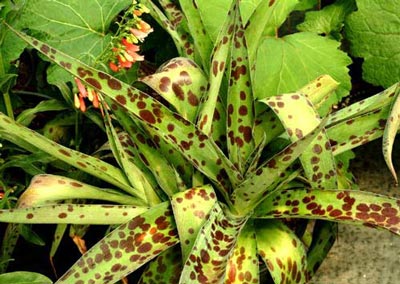 Agave - Spot | 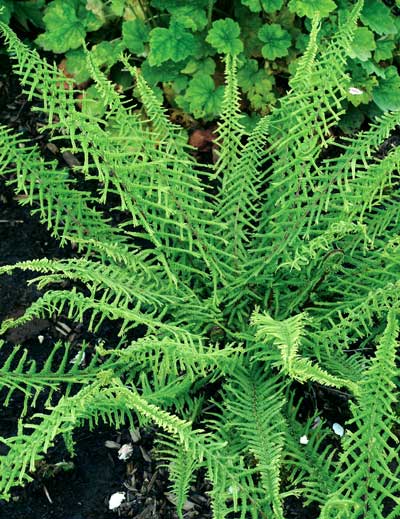 Athyrium - Dres Dagger | 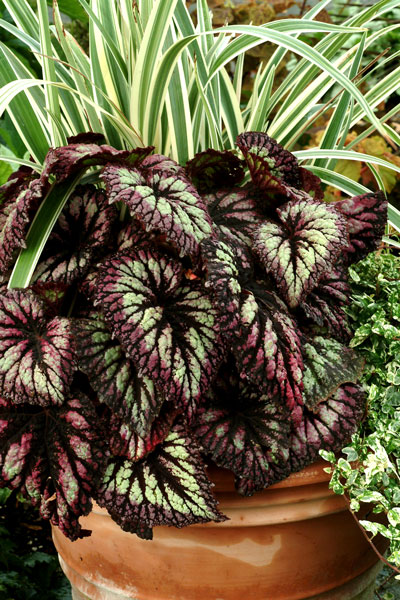 Begonia - Fireworks | 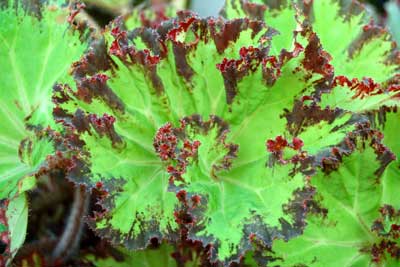 Begonia - River Nile |
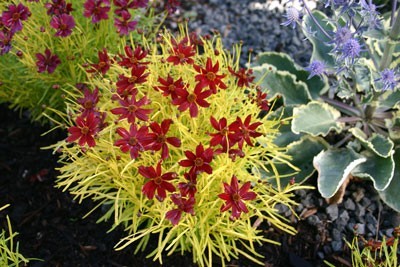 Coreopsis | 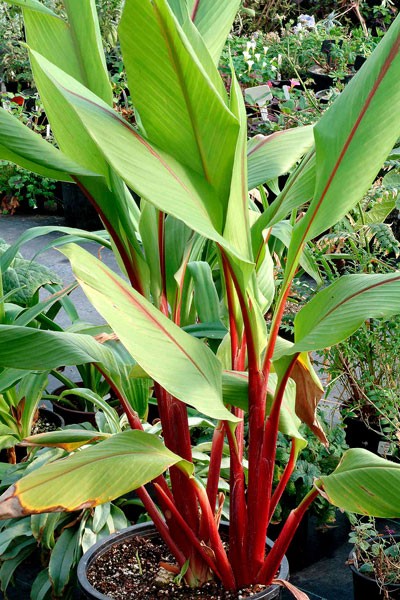 - Red Emperor | 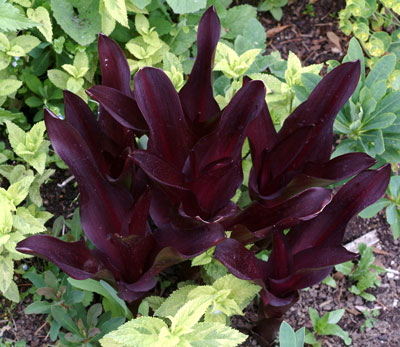 Eucomis - Oakhurst | 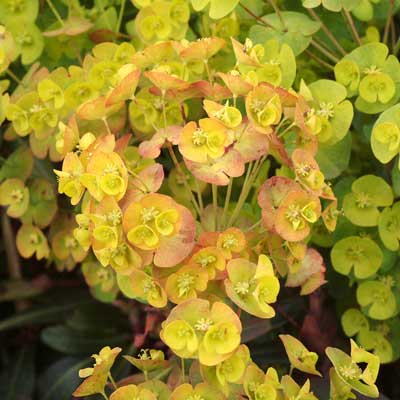 Euphorbia - Orange Grove |
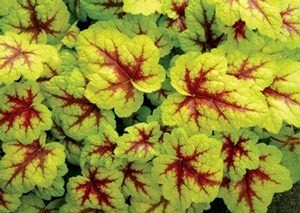
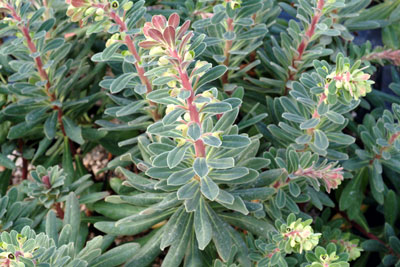 Euphorbia - Royal Velvet | 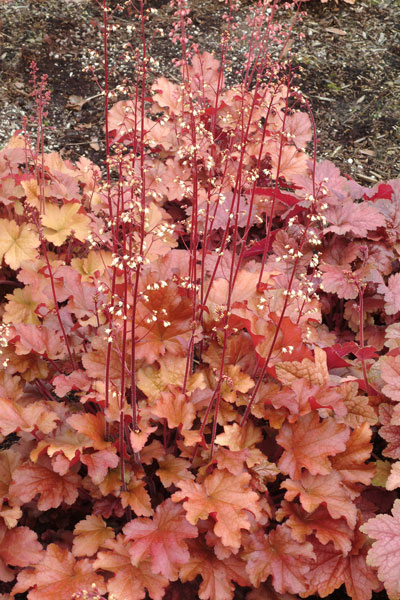 Heuchera - Peach Flambe | 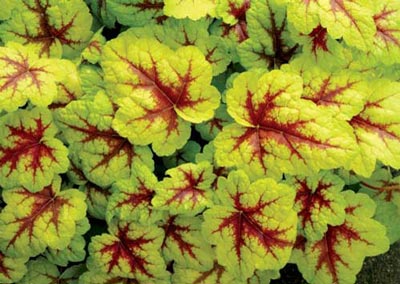 Heuchera - Stoplight | 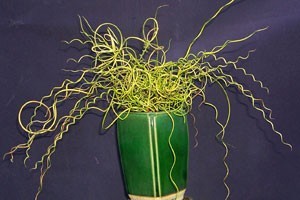 Juncus - Blonde Ambition |
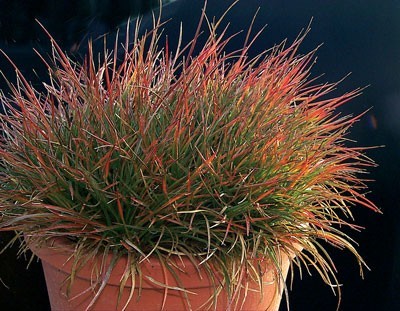 Luzula - Ruby Stiletto | 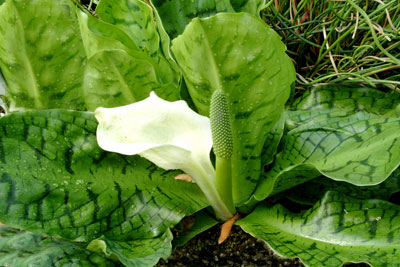 Lysichiton - Crocodile Tears | 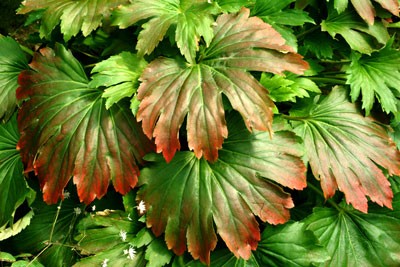 Mukdenia - Crimson Fans | 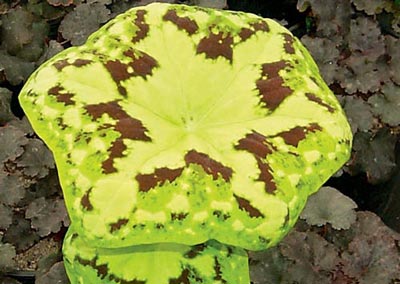 Podophyllum - Kaleidoscope |
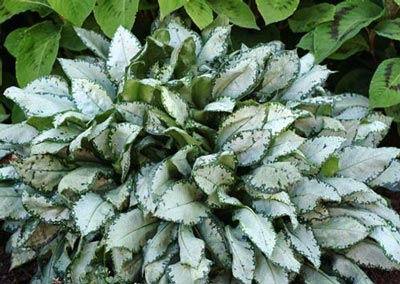 Pulminaria - Moonshine |
About The Author: Ellen Brown is our Green Living and Gardening Expert. Click here to ask Ellen a question! Ellen Brown is an environmental writer and photographer and the owner of Sustainable Media, an environmental media company that specializes in helping businesses and organizations promote eco-friendly products and services. Contact her on the web at http://www.sustainable-media.com
Add your voice! Click below to comment. ThriftyFun is powered by your wisdom!