Did you know that you're throwing your money away - literally? Every day people throw out product packaging and then turn around and purchase boxes, bins, and caddies to organize their homes. Instead, reuse the things that you're about to throw away, things that will fill landfills otherwise, and use them to save money and organize your home.
Cereal boxes are recyclable in the traditional way, but they're also valuable to anyone who has magazines, bills, and papers that need organized. In other words, everyone could use a cereal box now and then. Cut one half of a long side and all of a short side from a cereal box. Now, it works as a standing magazine file. Decorate it with wrapping paper, magazine clippings, extra photos, or children's artwork.
Now, use a different box and cut away a short side and half of the front of the box. Stacked or used individually, these will store letter sized papers neatly. To make a storage box for smaller papers or envelopes, cut the box in half first. Organize bills by due dates, keep items by month, or separate according to categories.
These plastic files can cost $2.50 a piece or more.
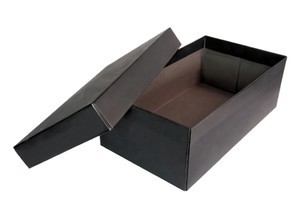
Plastic storage bins with lids or their more expensive fabric cousins are great for organizing a home. Yet, the equivalent can be found in your garbage can. The original shoe box, the storage device of our grandparents, still compares to its contemporary counterparts. Use shoe boxes to store craft items, crayons, or sewing projects. Try to organize everything needed to do a specific task in one box. They stack, they store, and they organize.
Why buy expensive Christmas ornament totes? Instead, take the cardboard dividers found in cases of beer or other bottles and slip them into large boot boxes. Voila! the perfect ornament case for free. Decorate your box with this year's Christmas cards, and you'll always remember what's inside.
Fabric totes cost an average of $10 each, small plastic totes with lids average $3, and ornament storage boxes go for $12.
Those clear plastic loops that hold six packs of cans together are an environmental disaster. Instead, grab a few to use the sock organizers often featured in ads and TV. Roll each pair of socks (or neck tie) and slip it inside the plastic can holder instead of the $10 sock organizer. The previously mentioned cardboard dividers found in cases of bottles come in handy for this as well.
The use of a smooth edge can opener is best if the cans will be used for organization, but edges can always be filed down or covered with electrical tape to keep them safe. Paint the cans and turn them into desk organizers for pencils; fill an office closet shelf with them and separate pens, markers, crayons, glue sticks, etc.
Affix magnets to the outside bottoms of the cans, and they become handy magnetic storage tins. Stick them to a metal support post in the basement or a workbench and use them to organize string or twist ties.
Jars work like cans. Wash them and remove the labels. When we moved into our home we inherited the previous owner's baby food jar collection of screws, bolts, nuts, and washers, all lined up on 2x4 shelves along our basement wall - more than 100 of them! He obviously knew two things: how to organize his workshop, and how to save some money while doing it.
Add your voice! Click below to comment. ThriftyFun is powered by your wisdom!
I, too, use all kinds of boxes saved. At Christmas time, my family knows their present may be wrapped in a cereal box, a tampax box, a cracker box, etc. It has become a tradition at my house. Why buy boxes when your cabinets are full of them?
I am also known as a rabid recycler. Shoe boxes store my many fabric scraps and finished projects.
Cereal boxes flattened go into manila envelopes when I want to protect photos or papers.
I put cans in my medicine cabinet to keep tubes from falling out. They are also for screwdrivers and tools, craft supplies and so much more.
I also love the drink mix tubes that come with the lids and often tape/tie them together for a project.
I keep styrofoam for catchalls in my craft room, and they work great to catch water under planters.
When we pay for the items our products come in, why do we then repay for them again and again? Silly!!
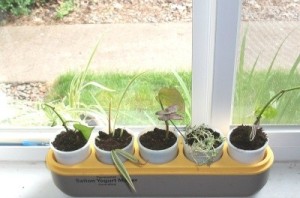
I use the round disinfectant wipes containers for storing dead batteries to recycle and I keep one filled with plastic grocery bags (I fold my bags into little triangle "footballs") in the car. I also use them for craft supplies and for transporting scissors, pins and rotary cutters for quilting classes.
I really loved this article! So well written and lots of great ideas!
I get ramen boxes off and on. I grabbed a couple this last time and put decorative duct tape around them. One box holds all my medications for when I do my weekly fill-up.
Add your voice! Click below to comment. ThriftyFun is powered by your wisdom!