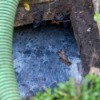
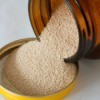
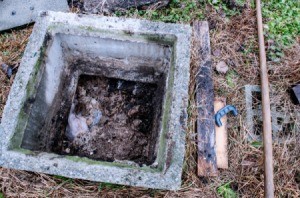
 For those of you on septic tanks; I had to have my tank pumped out last year. The guy who did the work, told me that instead of buying the expensive bacteria products, to pour a half gallon of buttermilk down the drain once a month and it would do the same thing!
Source: Helpful worker!
By shirley felts from Tallassee, TN
This page contains the following solutions.
Conserving water in the toilet tank (eg. filled water bottles inside the tank) is a wonderful idea IF you are not using a septic system. To reduce the amount of water going through the line is to just about guarantee yourself a clog.
Spring is the time of year when those of us who use septic tanks are more aware of them. As Erma Bombeck once said, "The grass is always greener over the septic tank."
Here are the questions asked by community members. Read on to see the answers provided by the ThriftyFun community.
Could someone tell me if there is anything you could use in your septic system to dissolve ice cream and milk products? We have an ice cream stand and the people are always putting the unused ice cream and milk down the drain and then the septic backs up. We have to have it pumped all the time. It does not dissolve the way it should.
By Glenn from Coalport, PA

I use to pour RootX down our drain in toilet. It helped very much, never had to have it drained or pumped out, good luck.
I don't know that those kinds of products will dissolve the fats, which is what is causing the problem. Unfortunately, your drain field is probably all clogged by the fat. I would call septic contractors in your area and ask for advice. You may need a new drain field. But they can probably put a fat trap in your system to prevent future occurrences.
I would also invest in bright, large signs that ask that milk products NOT be put down the drain. What a pain for you! Good luck!
I am not a plumber or septic tank person of any sort, but I pour yeast down my commode each week. I was told by my mother in law that it breaks down stuff in the septic just like the other septic cleaners. I cant guarentee it works but worth a try to see if you notice improvement. I buy in bulk but pour the equivalent of 2 packages a week minimum..
Well, if you have an ice cream stand where else are the dairy waste products supposed to go? It's not a good idea to throw those into the trash bags as they will very likely leak immediately.
I thank everyone for there comments, but no one has any thing that we have not tried, and for the drain field and the drainage is fine but when you put milk and milk byproducts in the septic system it kills the bacteria and nothing dissolves the way it should. so thanks for nothing,
Sorry that you did not get the help you need, but this site is for people who appreciate what advice they get. The people here are such good and kind folks with plenty of wonderful advice, so for you to say "thanks for nothing" was very rude.
Found this concerning septic systems and dairy waste:
www.extension.umn.edu/
The bottom line is that septic systems and dairy waste never mix--you will have ongoing failure unless you either hook in to a municipal sewer system or dispose of the waste through your trash system. If you don't want to deal with leaky bags, throw a layer of cat litter or play sand to absorb the waste before disposal.
By the way, thumbs up, Marfette. If this were me, I think I would have done a little research into all aspects of business operations before dumping the dairy sludge into the septic system. Finding the info took under a minute just by Googling.
I clean my drains once a month with Baking Soda and White Vinegar let sit for 10 minutes then pour warm to hot water down the drains.It's supposed to keep the sludge off the pipes and prevent it from building up.Too much sludge will narrow the hloe for draining.
Glenn, Have you tried putting a cup or so of Blue Dawn dish soap down your drain, at least once a week? Dawn breaks up grease very well, and would probably help with your problem.
We just had our drain line from our septic tank replaced after 35 years of use. Our plumber put in a valve and told us to put mixing salt in it every so often.
My question is what is mixing salt? Thank you.It is saltwater mixed with water and kills off the freshwater bacteria in the tank.
I lived in a house with a septic tank and our roommate/landlady added probiotic mix type stuff especially designed for septic tanks:
www.freshwatersystems.com/
This makes sense if you think about the fact that the septic system is analogous with the colon in the body, and you actually NEED helpful organisms to help everything break down.
This isn't a term I've heard of. It isn't recommended to use any type of salt in your septic tank.
Some people add treatments to the septic tank but they are considered unnecessary and generally speaking do not work. See this link: www.aero-stream.com/
The best thing is to have the tank pumped when it's the right time.
Will the use of Epsom salts damage our copper bathtub? If not, will the use of Epsom salt baths damage our septic system?
I occasionally use Epsom salts to water my plants, Weezy, so I can't imagine a negative impact on you septic system. As to copper? Do you have anything else in the house on which you could do a test? But really, by the time you fill a bathtub with water, a cup of Espom salts is a very small amount, right?
Epsom salts will definitely harm a copper bathtub; the place where I bought mine said so.
I bought a house two years ago and don't know when the septic tank was last pumped. Should I have the septic tank pumped as a starting care and maintenance program?
By Charles H.
Yes. Call someone in your area that does this, and consult with them. It may be possible to visually inspect it as well, depending on what type of system you have.
No! Most septic tanks don't need anything done to them with regular use. Add some robic or ridx just to make sure. If it ain't broke don't fix it.
What is involved in a septic tank inspection? I am not familiar with a septic tank and its care.
By Charles H.
IF you have a lot of trees surrounding your land or nearby neighbors that roots can spread to your leach bed lines, then do this:
Each Spring before the rains pour forth, use copper sulfate (CUS-04) and put it into the septic system by removal of lid and pour it in mixed with water. As the rains begin, the water from the septic system will flow out into the leach bed lines and will kill tree roots that interfere with leach lines that can ruin the system and causing big problems later. Do not plant trees or shrubbery over leach bed lines or dig deeply into the soil with a garden plow, so you don't disturb the lines. You can buy this product at any lawn/garden or feed/grain store.
The more toilet paper is put down the toilet, the sooner the septic system will get filled and need pumped out; this isn't all that cheap anymore to have done, but you'll know if you have waited too long because of a noticeable outdoor odor in the air and sometimes causing toilet to not flush well.
Write down date of having septic system cleaned and you'll know just about when it's time to have it done again after the second time around. I'd also suggest that you do a lot of internet research on this topic so you are well informed. Ask the previous owners when the septic system was last cleaned. Other than that, it's all I can tell you as I can't see the layout of the land you live on.
There's also products you can buy that are yeast activated and break down the waste material faster that pours right into the toilet and is flushed. We never thought it to be that helpful and was a bit pricey.
Avoid driving heavy equipment over the leach bed lines; lawn mowers are okay.
A time of Transfer or Real Estate Transaction Septic Inspection is performed prior to closing typically by the Buyers of the home. THe Septic Professional will vosot the Dept of Health, for the As Built Drawing and location etc to prepare for being on-site. Once arriving to tbe home the tank lids, distribution box or boxes will be dug up and uncovered to view the contents and check for proper effluent levels and flow of effuent, which should distribute evenly amongst the # of trenches or beds or Chambers of the absorbtion area. Some Inspectors, including myself, run an inspection camera through the pipes of the system also.
Site evaluation, separation Distances and levels of sludge and scum are measured also and it will be determined if the tank should be pumped.
Will mixing sugar and yeast in your toilet bowl and letting it stand over night then flushing help with the biological breakdown action ocuring in the septic system?
By Jim L
No it doesn't. This is an old myth that needs to end now! There are certain bacteria for fats, proteins, feces, urine, etc and each works only on that which it is made to digest. Use the bacteria you buy specifically for septic tanks. Once every 3 months is plenty for the average household of 4.
While I agree that different bacteria do different things, those septic tablets are a crock of boloney. Nobody needs to buy those, and some of their sales reps are rude.
It would be nice to have more info on the winterization of septic systems. For example if you have a 'pumped' system where the sewage is collected in a pumping station and then pumped uphill to a septic tank and bed should you leave this pump powered up over the winter or turn it off? The sewage ejector pump utilizes a float valve of course but nonetheless some ground water could conceivably get in the tank and the tank is just below the surface of the ground thus can freeze.
In order to understand the problem can you explain it better? Where do you live in the country or city? Is their Regulations for septic systems? Why are their 2 tanks? mrmoose71943@yahoo.com
Why can you not use automotive anti-freeze with ethylene glycol in the toilets?
Does granulated sugar work in a septic tank as a cleaner?
By J. H.
I was told by septic dealer to put about 20 pounds of sugar into the septic tank after I had it pumped. H also said to put a couple of cans of cheap cat food in the tank that is mixed into a thin state so it will draw the bacteria to it . Said it worked well.
Could sour milk be beneficial to a septic system?
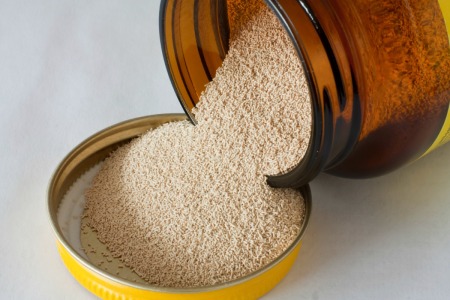
The bacteria in yeast is considered a good additive for septic systems. This is a page about, "Can I use yeast in my septic tanks?.
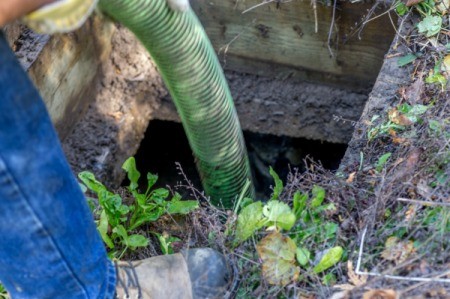
A monthly dose of this homemade septic cleaner should keep your system working well. This is a page about septic tank cleaner.
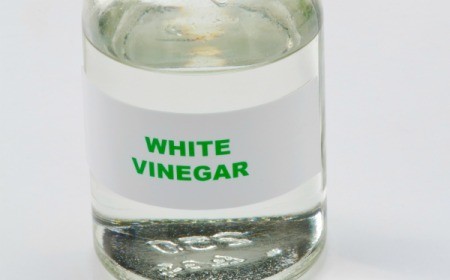
There are many household cleaners that are hard on septic tanks. In this page, discover if vinegar is harmful to septic tanks.
This is a page about using brewer's yeast in a septic system. Many homeowners with septic systems regularly add brewer's yeast to keep their system functioning properly.
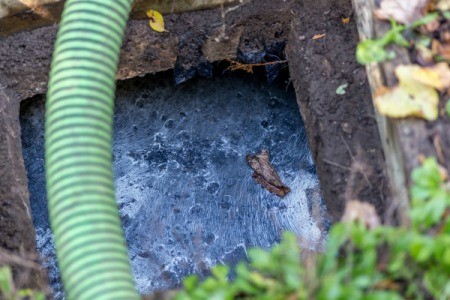
Septic tanks function better when you select a toilet paper that is safe for use in, or especially made for use with a septic system. This is a page containing toilet paper advice for septic tanks.