|
Garden Insects: Chinch Bugs |
| By Ellen Brown |
|
|
Identification
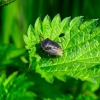
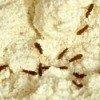
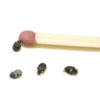
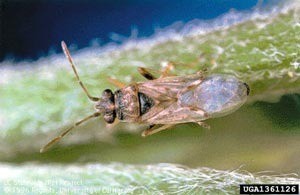
This fast moving little bug is 3/16 to 1/8 of an inch long, with a black body and white, red or brown wings. Adults chinch bugs lay eggs in the soil in the spring after overwintering in the grass. The eggs hatch into small, legless nymphs that are pinkish in color and have a white band across their back. Thirty to forty days later nymphs turn into adult chinch bugs and produce another generation.
Favorite Plants
Chinch bugs feed primarily on grass and various grains.
Damage
Adult chinch bugs can cause extensive Damage very quickly. They dry out grass, leaving it attached at the root, by sucking the sap from it. Symptoms of a chinch bug infestation include large areas of patchy yellow, stunted or wilted grass. They prefer sunny, dry weather and do most of their Damage during the hottest months of summer-July through September.
Organic Methods of Control:
Cultural or Mechanical
- Chinch bugs prefer dry turf, so keep lawn moist if possible.
- Clean up weeds and brush where adults tend to overwinter.
- Plow crops under in fall.
Biological
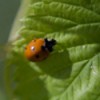
- Release ladybug beetles and lacewings to provide some control.
Chemical
- Use insecticidal soaps on heavily infested lawns or to kill bugs on contact.
- Use garlic, onion or pepper extracts to repel adults bugs.
|
|
|
|
|
|
|
 |
|
No Feedback Yet
Be the first to post feedback! Click here to post feedback.
|
 |
|
| Login using the form on the top of the page to post feedback if you have registered with ThriftyFun. If you have not yet registered, click here. It's FREE!. If you are not registered you can post feedback as a guest below. Please don't use your email address for your name because spam robots can dredge it from our site. Please do not post your feedback more than ONCE. We need to approve all guest feedback and it may take from minutes to hours for that to happen. |
 |
|
|
|
 |
|
|