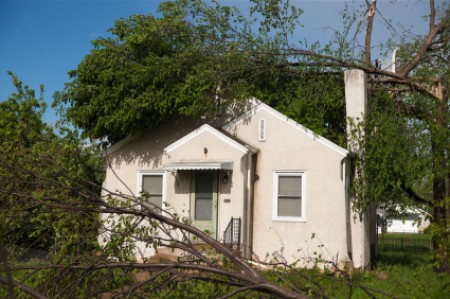
In the wake of the recent surge of tornado activity in the Midwest, many of us are wondering if there's something we can do to better protect our homes from these devastating storms. Aside from hitching it up and moving out of the way, there's little one can do to avoid storm damage.
Whether the forecast predicts a hurricane, hail storms, or an impending blizzard, there are steps that can be taken to deter some damage to a home. The best step, however, is to listen to authorities and evacuate dangerous areas before the storms arrive. Homes can be replaced; families cannot.
When replacing doors and windows, look for those that tolerate the worst conditions. Most salespeople focus on these areas already, but pay closer attention than you would have in the past.
When our new windows were guaranteed to keep out every draft from winds in excess of 60 mph, I wrote it off as a sales pitch. However, after a wind storm blew shingles off our roof and toppled trees in the neighborhood, I appreciated the stability of my windows on the side of the house that took the brunt of the storm.
Contractors or installation experts can install entry doors using longer screws that fasten the door frame with at least one inch of support. Proper sealing around doors, windows, soffits, and gables will prevent winds from prying at the structure by creating an aerodynamic quality.
For those who encounter high winds often, consider installing real shutters that will protect the glass panes behind them.
If a remodel is in the future for your home, consider adding some structural support and extra safety if possible. The extra costs may lower your home insurance rates, and the long term repairs that can be avoided certainly will save money as well.
Some structural elements that can be added to a home include extra waterproofing under roofing materials, strapping on walls beneath the siding, and purchasing wind tolerant roofing. Roofs can be anchored to the second floor of the house when a roof is replaced. This added security will prevent future wind damage to the new roofing materials as well as secure the second level from exposure.
A house's weakest point is the juncture between floors. Strapping pulls these levels together to prevent complete devastation in high winds or floods. If wind damage is something you worry about, consider the added precautions.
If wildfires are a concern for your area, small steps can keep out hot embers. Sparks from a nearby fire can ignite a fire in your home as well. Where those concerned with wind are sealing and caulking to keep out the wind, you'll want to add tight mesh to prevent the permeation of ash. Metal screening in one eighth of an inch is ideal. Also, when purchasing building materials for your home skip the wind tolerant materials and look for flame retardant materials instead. A Class A fire-rated roof should be installed.
Clearing the area around your home from brush and debris will also slow the progression of wildfire. Keep gutters and chimneys clean so that hot embers do not light these combustible materials. Likewise, clear old vegetation from the area around your decking or foundation.
For more information about adding structural safety to your home, visit:
Add your voice! Click below to comment. ThriftyFun is powered by your wisdom!