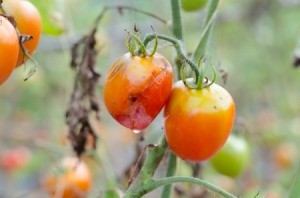
 If you have a problem with tomato plants contracting a blight that starts at the bottom and works its way up until the plant is dead, or even the beginning of a blight, you need to cook your garden bed. Once tomatoes are infected, they cannot be helped. The key is solarizing the soil to kill the bacteria before they get to the plants.
Cover the bed with a clear, heavy plastic painters drop cloth. Lay the edges of it in the trench and cover with soil to keep heat from escaping. The sun should heat the area for at least 6 weeks. The longer you leave the cover in place, the better. In the meantime, try growing some of those new verticillium and fusarium-resistant varieties in another location, or in containers of sterile potting soil, as you let your infected tomato bed cook.
This gardening information comes from Veggie Grow How, by Glen O. Seibert, "The Greenman". http://www.backyardlivingmagazine.com/podcasts.aspx
By Connie from Oden, AR
Here are the questions asked by community members. Read on to see the answers provided by the ThriftyFun community.
What can you put in the planting holes for tomatoes to prevent blight?
Hardiness Zone: 7a
By Kyra Leigh from Bristol, TN

At the end of the growing season, after I have removed the plants from the garden, I scatter a bale of straw on top of the garden and set it on fire. It sterilizes the soil so this year's diseases won't affect next year's plants.
When you plant, they need some blood meal. Then as the season goes on and blossoms show up, quickly get the espom salts into the soil. Buy the package and read the directions on it for tomatoes.
I had terrible tomato blight and pepper white flies this past season. I grow in containers. I threw away all the soil from all the pots at the end of the season.
Do I need to sterilize the pot in any way before I add new soil next season?Yes. I would use a disinfectant of one part bleach to nine parts water.
You will need to clean the pots with a mild bleach solution and make sure you clean the stakes and anything else you used in the pot. The soil needs to be changed every year if you are going in containers.