ThriftyFun Logo
Home   Find   Ask   Share   Answer   Join   Index   Login  
 
 User Login:  Username:    Password:      Forgot It?  | Join ThriftyFun!

 - Beauty
 - Budget and Finance
 - Cleaning
 - Consumer Advice
 - Craft Projects
 - Craft Tips
 - Food Tips
 - Garage Sales
 - Gardening
 - Gifts
 - Green Living
 - Home Improvement
 - Organizing
 - Parenting
 - Parties
 - Pest Control
 - Pets
 - Product Reviews
 - Recipes
 - Repair
 - Weddings for Less

RSS Feed
About Us
Media
Advertising
Contact Us
Privacy Statement
Disclaimer

Hardiness Zone Confusion

By Ellen Brown
1x1
Date: 04/21/2006 Topics: Gardening > Advice | Readers Request > Gardening  
1x1
Post Feedback | Get Responses | Bookmark | Link | Print | Print (With Feedback) | Rate: Thumbs Up Thumbs Down | Bookmark and Share
Q: When I look at certain plants and seeds it appears that I am in different zones? Some packs of seeds say I am zone four, but here it says zone 6. Am I losing it or is there a reason for this?

Hardiness Zone: 6a

Thanks you!
Katie from PA

A: Katie,

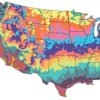
It's not surprising that you've experienced some confusion over which hardiness zone you're in. Currently, there are at least three different hardiness zone maps floating around on the Internet, in books, magazines and seed catalogs. The USDA created the first U.S. hardiness zone map in the mid 1900's. Since then, Agriculture Canada and Harvard University have also come out with maps. In 1990, the original USDA map was updated by further dividing the zones into 'a' and 'b' (representing the higher and lower temperature ends in each zone). This latest 1990 map is the most commonly accepted version in use today.

The American Horticultural Society is currently working on yet another version of the 1990 hardiness zone map for the USDA. As of now, there is no word on when the new map will be ready. Thirty years worth of climate data, including the length of cold spells and airflow patterns are being studied to determine the new hardiness zones. The new version of the map will no longer feature 'a' and 'b' distinctions in each zone and will include 15 zones instead of 11 to reflect growing regions for sub-tropical and tropical plants. Until then, if you're interested in complicating your gardening life even further, check out the American Horticultural Society's website and read about your "Heat Zone." http://www.ahs.org/publications/heat_zone_map.htm

Ellen

About The Author: Ellen Brown is our Green Living and Gardening Expert. Click here to ask Ellen a question! Ellen Brown is an environmental writer and photographer and the owner of Sustainable Media, an environmental media company that specializes in helping businesses and organizations promote eco-friendly products and services. Contact her on the web at http://www.sustainable-media.com

(1x1 graphic )
Previous: Making a Wasp Trap ThriftyFun Next: Starting Cuttings from an Azalea and a Rhododendron
(1x1 graphic )
1x1
1x1
 Feedback
1x1
1x1
1x1

By katieandjeffy (68) Contact
Oh thank you so much! I really appreciate the help...LOL...I thought I was losing it. Thank you!!

Posted on 04/24/2006 | Report Spam or Abuse

By Katmommy (33) Contact
It depends where in PA you are. There are 5 differant hardiness zones there. Check out this map:

http://www.growit.com/bin/USDAZoneMaps.exe?MyState=PA

Posted on 04/21/2006 | Report Spam or Abuse

1x1
1x1
 Post Feedback:
1x1
1x1
1x1

Login using the form on the top of the page to post feedback (if you are a registered user). If you have not yet registered, click here to do so. It's FREE!.

1x1
(1x1 graphic )

© 1997-2009 ThriftyFun.com - Design by Cumuli Design
Disclaimer: ThriftyFun.com cannot accept any responsibility for any injury or damage that you may cause to yourself, others, or property when following any advice given on this site. Read the full disclaimer. If you find any information on ThriftyFun.com or in our newsletters that is either erroneous and/or potentially harmful to others, please Contact Us, immediately.