HomeBrowseNewslettersContestsAskShare 
AllGuidesQuestionsVideosBy DateRecent Feedback My AccountAbout Us
Crafts > Recycled Crafts > Planters on June 17, 2012

Making Self Watering Planters

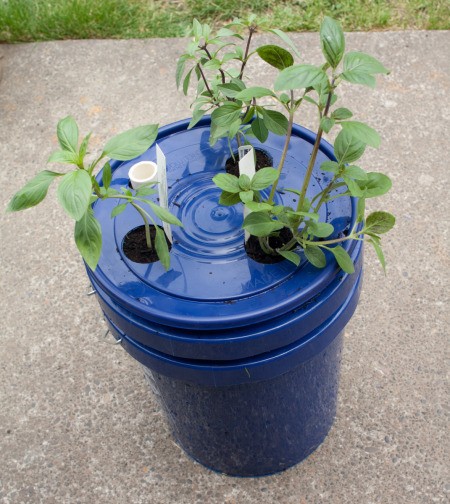
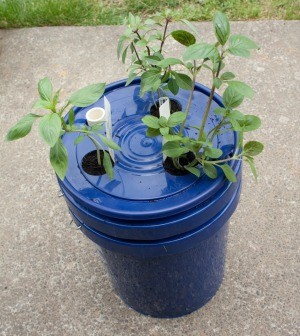
Self Watering Planter With BasilYou can make useful self watering planters from recycled everyday materials found at home. This is a guide about making self watering planters.
     

Solutions: Making Self Watering Planters

Read and rate the best solutions below by giving them a "thumbs up".

Line Planters With Diapers

Keeping moisture in you hanging baskets an large pots, I use the giant Pampers to line the baskets an pots. They hold lots of moisture, and your plants will thank you for the kindness.

I also cut the Pampers in strips and use them to keep plants and cuttings moist in the mail. Package the roots in the dampened pamper. Make a pocket an put masking tape around it. Put aluminum foil over it, place it in a plastic baggie, leaving the tops out. I use a margarine lid to keep the plants straight.

By bsewnsew from Summerhill, PA

5 0SharePrintFollowPost Feedback

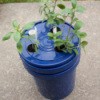
Self Watering Basil Planter

This self watering container can be used for many different types of plants but is really great for basil. I used new buckets that I found for cheap on sale, but you could easily use recycled food grade buckets. Restaurants often have old buckets that you can ask to have, especially if they use a lot of soy sauce! Self Watering Basil Planter

Supplies:

  • two 5 gallon buckets
  • one lid for 5 gallon bucket
  • drill and bits
  • small container, such as a yogurt container
  • length of 1/2 inch PVC pipe
  • small saw
  • 3 basil starts
  • potting soil
Supplies for Making Self Watering Basil Planter

Instructions:

  1. Start by drilling holes in the bottom of one of the 5 gallon buckets.
  2. Drilling Holes in Bottom of 5 Gallon Bucket
  3. Next, mark the size of smaller container on the bottom of the bucket.
  4. Marking Bottom of Bucket
  5. Cut a hole in the bottom of the bucket just slightly smaller than the marked area.
  6. Drilling Wick Hole in Bottom of Bucket
  7. Drill holes in side of your smaller container but leave the bottom intact.
  8. Drilling Wick Holes in Yogurt Container
  9. Fit the smaller container into the bottom of the bucket in the hole you drilled. This will be the chamber that wicks water into the planter.
  10. Fitting Wick Chamber in Bottom of Bucket
  11. Now cut one end of the PVC pipe at an angle. This will allow the water to run freely into the reservoir and not get caught in the pipe.
  12. PVC Pipe Cut at an Angle
  13. Drill a 1/2 inch hole in the side area of the bottom of the bucket to fit the PVC pipe through. Drill another 1/2 inch hole in the lid so that it aligns with the hole in the bottom. It doesn't matter where you put the pipe, just make sure it is off to the side and the holes line up.
  14. Drilling Hole for PVC Pipe
  15. Fit the lid on the bucket and cut off the pipe so it sticks up just a bit.
  16. Marking PVC Pipe Cutting Off PVC Pipe
  17. Drill a hole in the second bucket just below where the first bucket ends when they are nested together. This is the only hole to drill in the second bucket. It will allow an overflow for the reservoir.
  18. Drain Hole in Second Bucket
  19. Drill 3 large holes in the lid for your basil.
  20. Nest the first buck inside the second one and put the PVC pipe in place, with the angled side down. I used a second yogurt container here to cover the top of the PVC pipe to prevent excess dirt getting in the bottom, but that may not be necessary.
  21. Adding Potting Soil to Bucket
  22. Fill the bucket with potting soil and put the lid on so the PVC pipe aligns with the correct hole.
  23. Plant the basil starts in the holes you drilled.
  24. Planting Basil in Container
  25. Fill the reservoir with water by pouring it down the PVC pipe until water comes out the overflow and you are done!
Basil Planted in Container

The potting soil will soak up a lot of water over the next couple days, so be sure to top it off regularly until the water is evenly distributed inside the bucket.

By Jess from Hillsboro, OR

2 0SharePrintFollowPost Feedback
Share Your Feedback: Once you try any of the above solutions, be sure to come back and give a "thumbs up" to the solution that worked the best for you. Do you have a better solution? Click "Share a Solution" above!

Questions

Do you have a question related to this page?
Follow ThriftyFun