ThriftyFun Logo
Home   Find   Ask   Share   Answer   Join   Index   Login  
 
 User Login:  Username:    Password:      Forgot It?  | Join ThriftyFun!

 - Beauty
 - Budget and Finance
 - Cleaning
 - Consumer Advice
 - Craft Projects
 - Craft Tips
 - Food Tips
 - Garage Sales
 - Gardening
 - Gifts
 - Green Living
 - Home Improvement
 - Organizing
 - Parenting
 - Parties
 - Pest Control
 - Pets
 - Product Reviews
 - Recipes
 - Repair
 - Weddings for Less

RSS Feed
About Us
Media
Advertising
Contact Us
Privacy Statement
Disclaimer

Garden Insects: Leafhoppers

By Ellen Brown
1x1
Date: 10/05/2006 Topic: Gardening > Pest Control > Garden Insect Guides  
1x1
Post Feedback | Get Responses | Bookmark | Link | Print | Print (With Feedback) | Rate: Thumbs Up Thumbs Down | Bookmark and Share
Citation: <a href="http://www.insectimages.org">David Cappaert</a>
Citation: David Cappaert

Identification

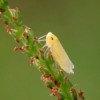
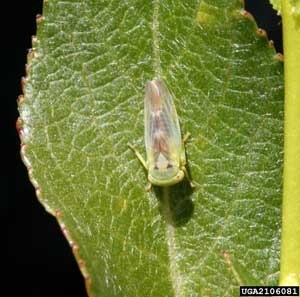
There are many species of leafhoppers. Some are brown or green in color, while others are green and red with white markings. Look for slender 1/8-inch long wedge-shaped bugs that jump or fly when disturbed. Eggs overinter on plant leaves and stems and hatch into nymphs in the spring. Adults may also overwinter by hibernating in leaf debris or in the case of some species, they may migrate south for the winter and return north again in the spring.

Favorite Plants

Apples, beans, beets, carrots, cucumbers, muskmelons and potatoes are their favorites, but they will attack almost any fruit or vegetable crop.

Damage

Adults and nymphs suck the juices from leaves, often on the undersides. Leafhoppers have toxic saliva, which causes the tips to burn (known as "hopper burn"). Sucking the juices from the leaves causes them to turn yellow and curl and either stunts the plant's growth or kills it. Feeding also spreads viral diseases.
Organic Methods of Control:

Cultural and Mechanical

  • Cover plants with floating row covers.

  • Interplant geraniums or petunia.

  • Remove adults and nymphs with a strong jet of water from the garden hose.

  • Use fall plowing to destroy crop debris.

Biological

  • Attract native predators to the garden like dragonflies, which eat adults and nymphs.

  • Release lacewings to feed on eggs.

Chemical

  • Spray with an insecticidal soap early in the day when bugs are less active.

  • For severe infestations, spray neem, pyrethrins as a last resort.
(1x1 graphic )
Previous: Fruit Squares ThriftyFun Next: Coconut Pound Cake
(1x1 graphic )
1x1
1x1
 Feedback
1x1
1x1
1x1

No Feedback Yet

Be the first to post feedback! Click here to post feedback.

1x1
1x1
 Post Feedback:
1x1
1x1
1x1

Login using the form on the top of the page to post feedback (if you are a registered user). If you have not yet registered, click here to do so. It's FREE!.

1x1
(1x1 graphic )

© 1997-2009 ThriftyFun.com - Design by Cumuli Design
Disclaimer: ThriftyFun.com cannot accept any responsibility for any injury or damage that you may cause to yourself, others, or property when following any advice given on this site. Read the full disclaimer. If you find any information on ThriftyFun.com or in our newsletters that is either erroneous and/or potentially harmful to others, please Contact Us, immediately.