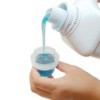
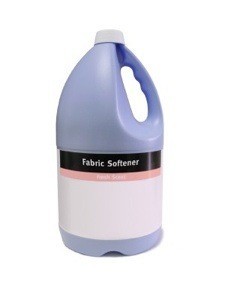
Many people use commercial fabric softeners or dryer sheets to reduce static cling and maker their clothes feel softer. Ironically, most people that use these products don't realize that they are essentially trading dirty clothes for clothes that are covered in a thin layer of toxic chemicals, which are then inhaled and worn next to the skin for hours at a time. Here are some not-so-friendly facts about fabric softeners, and information on some eco-friendly alternatives.
Fabric softeners work by coating the surface of clothing fibers with a thin layer of chemicals. These chemicals contain properties that make the fibers feel smooth and prevent the buildup of static electricity. They also reduce friction during ironing, increase stain resistance, and reduce wrinkling. Because they are designed to stay on fabric for a long time, they are easily inhaled and absorbed by our skin.
Just a few of the toxic chemicals commonly found in fabric softeners and dryer sheets:
These chemicals have been linked to certain types of cancer, kidney and liver damage, birth defects, central nervous disorders, edema, severe respiratory problems, headaches, nausea, vomiting, and skin allergies. Most of these chemicals are not easily biodegradable and are also hazardous to the environment, especially chemicals on dryer sheets, which are heated up before being released into the air.
According to the Department of Chemistry at McGill University, studies have shown that when liquid fabric softener is added to the rinse cycle, certain fabrics become up to 7 times more flammable. The fabrics most at risk are flannel, terrycloth, and fleece (especially when made of cotton). They have a greater surface area (and therefore hold more fabric softener) due to their soft fluffy texture. Liquid fabric softener should never be used on these types of fabrics or on children's clothing, even if the fabric has been treated with flame retardants, because fabric softener reduces their effectiveness.
Commercially-Made Brands
There are now dozens of eco-friendly fabric softeners and dryer sheets available. Here is a short list of some popular brands:
FS = fabric softener DS = dryer sheets
Do-It-Yourself Fabric Softeners
Do-It Yourself Dryer Sheets
About The Author: Ellen Brown is an environmental writer and photographer and the owner of Sustainable Media, an environmental media company that specializes in helping businesses and organizations promote eco-friendly products and services. Contact her on the web at http://www.sustainable-media.com6
Add your voice! Click below to comment. ThriftyFun is powered by your wisdom!
I use vinegar in place of fabric softener. Softens the clothes, gets rid of excess soap and helps get rid of the stuff that builds up on the tub of the washing machine.
Hi there, are you for real? I'm gonna try this-you said 1 fourth cup bakin' soda in wash softens fabrics/and really a wad of aluminum foil will replace a dryer sheet? If that works far out, and thanks man. Pamela
You can get plastic dryer balls to put in the dryer. They are maybe not quite as good as sheets, but work well, and also reduce static. I think they last forever.
Add your voice! Click below to comment. ThriftyFun is powered by your wisdom!