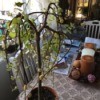
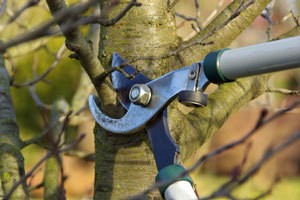
 Knowing what and when to prune is essential to maintaining a healthy and aesthetically pleasing garden. Here are some general guidelines on what to prune and when to prune it.
Evergreen Trees: Evergreen trees seldom need pruning. If you prune, wait until after the tree has completed substantial new growth, or you may end up having to prune it again-usually late spring or early summer.
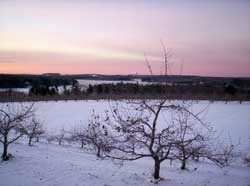
Deciduous Trees: Deciduous trees also seldom need pruning. If pruning is needed to maintain shape, it should be done in mid to late winter while the tree is dormant.
Berry Bushes: Berry bushes are usually best pruned in late fall or early winter. Regular pruning to maintain shape can be done throughout the season, but is best done immediately after harvesting to minimize production loss.
Evergreen Shrubs: Evergreen shrubs don't flower, but some produce cones. Typically, it's best to prune evergreen shrubs between late winter and early spring-after they produce cones.
Deciduous Shrubs: Let the flowers guide you. It's best to prune shrubs back immediately after they flower (usually late spring or summer).
Rosebushes: Older shoots and those turned inward should be pruned by late winter-early spring at the latest. Cut remaining 4 to 8 canes to a length of 12 to 24 inches. Ideally, cuts should be made within an inch above a bud or strong shoot.
Deciduous: any perennial plant, tree, or shrub that loses all of its foliage for part of the year
Evergreen: any tree, shrub, or plant that bears foliage throughout the year
Formative Pruning: Formative pruning is a technique usually reserved for young plants, plants that have outgrown their space, or for plants remaining after another plant in close proximity has been removed (to prevent growth from looking lopsided). Essentially, it's pruning to train or correct shape.
Pruning for Rejuvenation: Occasionally, it's necessary to prune old shrubs to renew their vigor. Some shrubs respond well to hard pruning, while others are better rejuvenated over a period of 2 to 3 years. If your shrub has not been pruned regularly, go slowly and space pruning over several seasons. Select no more than 1/4 to 1/3 of the oldest wood in a single season. After pruning, feed plants and keep soil moist and well mulched. Generally, plants that grow more than 12 inches in a season usually respond well to hard pruning. Plants that grow more slowly (less than 12 inches per year) should be pruned more gently and only when necessary.
Pruning for Pests and Disease: Just like it sounds, this type of pruning is done in response to the outbreak of disease or pests.
This page contains the following solutions.
We have had a huge 125 foot oak tree right next to our house for over 25 years. We've been told it was close to 200 years old. I have treasured this tree, and threatened to chain myself to it to keep hubby from cutting it down.
Proper pruning is a good way to help your plants and shrubs stay healthy while preparing them for budding. It's best to prune shrubs that bloom in the summer and fall in the late winter or early spring prior to bud development.
Here are the questions asked by community members. Read on to see the answers provided by the ThriftyFun community.
I live in the heart of the hill country in Texas and want to know if it's too late to prune a deciduous tree that is 8 feet tall. It will grow to over 35 feet. It is three years old. We should have done it last year.
By Julie from Camp Wood, TX
Is this a fruit tree?? If so, best time to prune it is after it is done with the fruit, before fall. If it is not fruit bearing, then after the leaves come off or toward the end of February.