ThriftyFun Logo
Home   Find   Ask   Share   Answer   Join   Index   Login  
 
 User Login:  Username:    Password:      Forgot It?  | Join ThriftyFun!

 - Beauty
 - Budget and Finance
 - Cleaning
 - Consumer Advice
 - Craft Projects
 - Craft Tips
 - Food Tips
 - Garage Sales
 - Gardening
 - Gifts
 - Green Living
 - Home Improvement
 - Organizing
 - Parenting
 - Parties
 - Pest Control
 - Pets
 - Product Reviews
 - Recipes
 - Repair
 - Weddings for Less

RSS Feed
About Us
Media
Advertising
Contact Us
Privacy Statement
Disclaimer

Garden Insects: Imported Cabbage Worms

By Ellen Brown
1x1
Date: 08/28/2006 Topics: Gardening > Pest Control > Garden Insect Guides | Pest Control > Moths  
1x1
Post Feedback | Get Responses | Bookmark | Link | Print | Print (With Feedback) | Rate: Thumbs Up Thumbs Down | Bookmark and Share
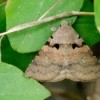
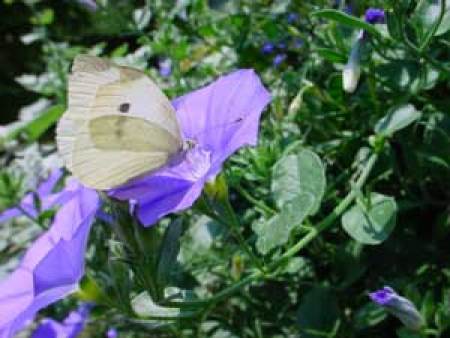
Imported Cabbage Worm Butterfly. Photo by Christian Bauer

Identification

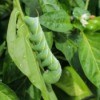
Look for 1-inch long, velvety green caterpillars with a yellow stripe down their back. The Imported Cabbage Worm butterfly is white with dark wing spots and A 1 1/4 inch wingspan. The female butterflies are very active during the day and lay hundreds of yellow-colored eggs on the undersides of leaves.

Favorite Plants

Broccoli, cabbage, cauliflower, greens and other members of the cabbage family are these pests' Favorite Plants.

Damage

Caterpillars chew large, ragged holes in leaves, leaving behind a trail of dark green excrement.

Organic Methods of Control:

Cultural or Mechanical

  • Hand pick caterpillars off of plants.

  • Use floating row covers on seedlings.

  • Interplant mint, sage, rosemary, thyme or hyssop.

  • Use butterfly nets or yellow and white sticky traps to capture female butterflies.

  • When possible, grow cabbage plants that are less attractive to caterpillars like red cabbage cultivars.

Biological

  • Release trichogramma wasps or lacewings.

  • Spray with Bt (Bacilus thuringiensis) every two weeks.

Chemical

  • Dust wet plants with lime.

  • Spray worms with a solution consisting of 1 ounce of salt to 1 gallon of water.

  • Spray with a mixture of soap and lime for three days before harvesting to kill young worms.

  • Spray crops with neem as a last resort.
(1x1 graphic )
Previous: Garden Insects: Japanese Beetles ThriftyFun Next: Garden Insects: Harlequin Bugs
(1x1 graphic )
1x1
1x1
 Feedback
1x1
1x1
1x1

No Feedback Yet

Be the first to post feedback! Click here to post feedback.

1x1
1x1
 Post Feedback:
1x1
1x1
1x1

Login using the form on the top of the page to post feedback (if you are a registered user). If you have not yet registered, click here to do so. It's FREE!.

1x1
(1x1 graphic )

© 1997-2009 ThriftyFun.com - Design by Cumuli Design
Disclaimer: ThriftyFun.com cannot accept any responsibility for any injury or damage that you may cause to yourself, others, or property when following any advice given on this site. Read the full disclaimer. If you find any information on ThriftyFun.com or in our newsletters that is either erroneous and/or potentially harmful to others, please Contact Us, immediately.