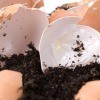
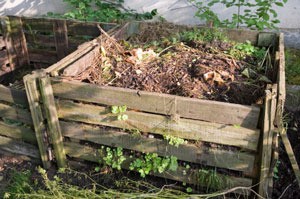
Composting is an easy, inexpensive way to reduce your yard and kitchen waste, while keeping your garden filled with nutrient-rich soil. Keep your compost pile neat and trouble-free, by preventing these common problems before they arise.
A well-balanced, well-aerated compost heap produces a sweet smelling finished product and very little odor in the process. Disagreeable smells usually indicate an imbalance in the ratio of green (nitrogen) to brown (carbon) materials in the pile, a lack of air, or too much moisture. Grass clippings, for example, tend to suffocate whatever is composting underneath them. They also cause an ammonia-like odor as they ferment. Avoid odors by mixing keeping a 1:1 or 2:1 ratio of browns to greens. To ensure your pile maintains enough air circulation, keep layers of grass clippings to one inch thick and turn the pile frequently.Prevent other bad smells by keeping meat, dairy products, and pet waste out of your pile, as well as fatty foods like salad dressings and oils.
If you compost animal products like meat, eggs, milk, or cheese, or fatty foods like oils and dressings, eventually your compost pile will attract animals (domesticated or otherwise). These animals will then tell all of their animal friends about it, and before you know it, the whole neighborhood is standing on your doorstep wielding torches and pitchforks. This scenario can be completely avoided by composting only kitchen waste that is derived from plants (e.g. peelings, leaves, stems and cores). Bread, pasta, and eggshells are the exception to this rule. They are also compostable (considered browns). Fruit remnants can be tempting to some animals, so bury them in the middle of the pile to prevent problems.
Decomposing kitchen scraps can act as a beacon to bees, wasps, and flies. To prevent this, each time you add kitchen greens to the pile, create a "fly barrier" by covering them with a layer of chopped leaves or newspaper. The vast majority of insects, fungi, and microorganisms that take up residence in your compost pile are beneficial and should be left alone to do their bug business.
The easiest way to prevent a bumper crop of weeds from sprouting in your pile is to maintain an active pile and avoid composting weeds that spread by roots or rhizomes (save them for the trash). An active pile will maintain an inner heat of somewhere between 140 degrees F and 160 degrees F - hot enough to prevent most seeds from germinating. The hottest temperature is in the center of the pile where most of the decomposition takes place. As waste turns into compost, the temperature of the pile starts to cool down. To keep things heated up, frequently turn the center of your pile (at least twice a month) and make sure your compost stays damp (not soggy).
About The Author: Ellen Brown is an environmental writer and photographer and the owner of Sustainable Media, an environmental media company that specializes in helping businesses and organizations promote eco-friendly products and services.
Add your voice! Click below to comment. ThriftyFun is powered by your wisdom!
Aren't grain products like bread and pasta really "greens" in that they promote high temperatures? I had a bacteria-laden old loaf of bread that became so hot that I couldn't hold it!
I made my own compost pile out of a large 25' x 3' tupperware bin with a cover (for my kitchen) & inserted 3 PVC pipes into the bin that I drilled holes in for air circulation - Now I read that the PVC might leach chemicals? Is this true? If so what should I substitute for the PVC?
Interesting topic. Here's a link to tips on starting your own compost pile.
www.oldhouseweb.com/
what do you do about snakes..I stopped my compost because of snakes..they are creepy..and I shudder
Add your voice! Click below to comment. ThriftyFun is powered by your wisdom!