Botanical Name:
Lavendula
Common names:
Lavender, English Lavender
Description:
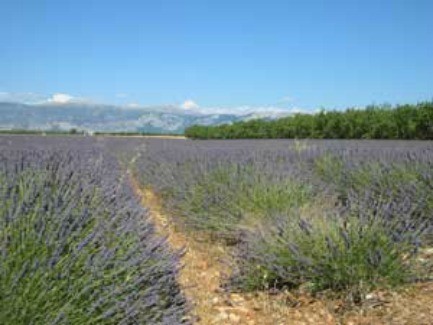
One of the most attractive and fragrant of all herbs, Lavender is the quintessential cottage garden plant. Its aromatic foliage consists of 12 to 24 inch tall gray-green spikes of blue or mauve flowers (also highly aromatic) that bloom from mid summer to early fall. Although there are many lavender species suited for the garden, the most popular by far is English Lavender (Lavendula vera), which is also commercially grown widely for its many cosmetic and medicinal properties.
Life Cycle:
hardy perennial shrub
Exposure:
full sun
Cultivation:
Lavender can be grown from seeds, but is usually started with transplants taken from rooted cuttings in the spring or summer. The stems are thick and woody and should be trimmed after flowering to keep the plant neat and tidy. Lavender plants will deteriorate over time, so plan on planting replacements every few years.
Propagation:
cuttings and seeds
Parts Used:
flowers and leaves
Harvesting & Storage:
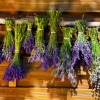
Harvest lavender during dry weather when stalks have less water in them. Lay them out in flat or hang them in bunches to dry. Keep in mind that oils dissipate as temperature rise throughout the day harvest in mid morning or early evening when air is cool and dry.
Medicinal Uses:
headaches, nervousness, and aromatherapy
Culinary Uses
garnish; scented oils; syrups; jellies; teas
Other Uses:
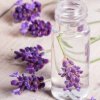
potpourri; laundry rinse; furniture polish; insect repellant; oil scented candles; wreaths, skin and hair care; perfumes; perennial gardens
Botanical Name:
Lavandula angustifolia
Life Cycle:
perennial herb and shrub
Planting Time:
spring or fall in most areas; spring in zone 5
Height:
10" to 3'
Exposure:
full sun
Soil:
poor to rich, well-drained soil
Hardiness:
hardy to zones 5-9
Bloom Time:
early to mid summer
Flower:
fragrant clusters of small lavender, purple or violet tubular-shaped flowers on spikes
Foliage:
fragrant mounds of long, spiky silvery-green leaves on narrow stems
Propagation:
cuttings
Suggested Use:
fragrant gardens, borders, beds, edging, herb gardens, and crafts
Growing Hints:
Purchase plants. Cuttings from new growth can be propagated in the summer, or seeds can be started indoors. Planting site should have air circulation to help combat leaf spot in humid areas. Keep organic mulches (wood chips, leaves, grass) 12 inches from the base of plants (stones, gravel and sand are okay to use near the base).
Interesting Facts:
Lavender flowers can be used for culinary or medicinal purposes.
Add your voice! Click below to comment. ThriftyFun is powered by your wisdom!
i love lavender but have trouble growing it is it because of the hot climate of texas?
I've also had trouble with Lavender ! I thought it would grow good in Okla. Shirley
I have a school project and O was wondering if anyone had the:
Life cycle
diet
adaptations
habitat
classification
Could you please send some to me on the webpage thanks
Thank you all for the feedback on growing lavendar. I am taking some of the suggestions. Also, found out about a farm in Fredricksburg, TX which has lavendar!
Add your voice! Click below to comment. ThriftyFun is powered by your wisdom!