Is dog poop bad for grass?
Hardiness Zone: 8b
Ranjiv from Dublin
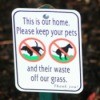
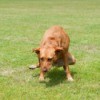
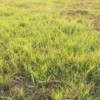
Ranjiv,Yes. Not only is it smelly and unsightly, but it poses certain health risks. In small amounts, dog (and cat) feces will produce a fertilizer effect on the lawn that results in dark green patches and areas of noticeably taller grass. In large amounts or when left on the lawn for too long, dog feces will release excessive amounts of nitrogen and salts into the soil as it breaks down, which results in brown patches or "burn" marks on the lawn. Over time, areas suffering only mild damage will recover on their own.
Even more important are the health risks. Dog feces attracts breeding flies, which transmit disease. Feces can also be a vector for transmitting certain diseases between dogs and people (Salmonella, Campylobacter, Roundworms and Hookworms). This is especially true of children, which are much less likely to wash their hands after playing in the yard. The eggs of roundworms, for example, are passed in the feces of dogs and can survive in the soil for many years-regardless of disinfectants or weather extremes.
Ellen
About The Author: Ellen Brown is our Green Living and Gardening Expert. Ellen Brown is an environmental writer and photographer and the owner of Sustainable Media, an environmental media company that specializes in helping businesses and organizations promote eco-friendly products and services.
Add your voice! Click below to answer. ThriftyFun is powered by your wisdom!
It will make it greener. The urine is what hurts it. But you can buy neutralizers for the urine. I have 3 dogs so I just designate the back yard as theirs & I don't worry about it. I made the decision that them being able to do what they want, within reason, was more important than grass.
I agree that for thousands of years, dogs and cats have been wild and pets. Humans have lived here on earth with them! During all of that time, dogs have lived inside houses and all mankind have considered them pets to have around them. All of our ancestors survived. But now all of a sudden they are a problem? I have 2 large dogs in a large walled in area for over 20 years. The dogs are never in the house. During that time, I have with a large volume of water washed and deluged the dog poop into the lawn. My lawn after 20 years shows no ill effects washing the dog into the lawn. I am 89 years old and find it hard to change. Please answer me.
2 dogs, in two years destroyed my whole big backyard. Back in the day yes dogs lived with humans. But most dogs had dog houses outside.
too much of anything is bad for your grass. you don't say how big your yard is. or your dog! manure can be hot until it breaks down. it can cause brown spots in the grass if there is too much all at once. do you water your lawn? if you do the manure and urine should break down fast enough that it won't do harm.
Yes it is.Go to Google and type in dog stools and lawns.
Rather than send this suggestion directly to the editors, I'm placing it here where everyone can see it. I hope to get agreement from other members.
This is an excellent article. If it doesn't put the fear of Fido feces in you, nothing will. (Thank you, Ellen. Great job).
My suggestion: I see by the date of a guest post, this article goes back to 2006. This is my first time to see it. As urgent as this matter is, particularly from a health issues standpoint, I do hope the article will be re posted at least once a year.
Add your voice! Click below to answer. ThriftyFun is powered by your wisdom!