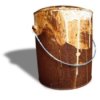
According to the EPA, the average American household produces around 160 pounds of hazardous waste per year. Much of that waste comes from common household products. Many of those products contain dangerous chemicals that when discarded, contribute to environmental contamination-especially of local water supplies. To "clean up" the confusion on how to get rid of those toxic chemicals, here is a handy guide to proper disposal of some common household hazardous wastes.
A note to septic tank users: Certain chemical substances cannot be used with nor disposed of using a septic tank. Read product labels carefully to determine if a product is safe for septic tank disposal.
Key:
 The truck symbol indicates that the material is hazardous and should be saved for a community wide collection day or if possible, transported carefully to a hazardous waste collection site as soon as possible.
 The trash can symbol indicates that the material is suitable for disposal in a sanitary landfill. Materials should be dried out away from children and pets and placed in the trash for solid waste pick-up.
  The toilet symbol indicates that the material should be diluted with lots of water and poured down a sanitary sewer system-not a septic system.
  The recycled symbol indicates the material may be recycled and should be taken to a recycling center in your area or passed along to groups or others who may reuse it.
Aerosol Cans (Empty)Aftershave, PerfumeAluminum CleanerAmmonia Based CleanersAntifreeze, Automotive Fluids (Brake, Power-Steering, Radiator Flushes)Auto Waxes, Polishes, Body Fillers, and Road SaltsBarbecue Lighter FluidBatteriesChlorine BleachDisinfectants and Drain CleanersFertilizer (Without Weed Killer)Fertilizer (With Weed Killer)Fiberglass Epoxy Floor and Furniture WaxFuels (Gasoline, Kerosene, Diesel) Glass/Windshield Cleaners GluesGun Cleaning Products Hair RelaxerInsecticides, Herbicides, Pesticides (Chemical)MedicineMetal Cleaners/PolishesMoth BallsMotor OilNail Polish (Solidified)Nail Polish RemoverOven CleanersPaints/Primers, Stains, Strippers, Varnishes, Thinners, TurpentinePerm Wave LotionRat/Gopher PoisonRust RemoverShoe PolishSpot RemoverSwimming Pool ChemicalsTiresToilet Bowl CleanersTub and Tile Cleaners
Unless your community has a citywide collection day, whenever possible, avoid "saving up" waste until you have enough chemicals to make the trip to the collection site worth it. It is always worth it to rid you home of toxic chemicals. Remember to wear protective gloves, goggles, and clothing when using or transporting hazardous waste materials.
Keep in mind that for most common household hazardous wastes, a healthy and more environmentally friendly alternative exists. Using safer products can drastically reduce your family's exposure to unhealthy toxins, save you money and protect the environment.

About The Author: Ellen Brown is an environmental writer and photographer and the owner of Sustainable Media, an environmental media company that specializes in helping businesses and organizations promote eco-friendly products and services. Contact her on the web at http://www.sustainable-media.com
Add your voice! Click below to comment. ThriftyFun is powered by your wisdom!
Add your voice! Click below to comment. ThriftyFun is powered by your wisdom!