As every gardener knows, different plants are adapted to growing well in specific climates. An orange tree will not tolerate a Minnesota winter (outdoors anyway) any more than Arizona's Saguaro cactus will tolerate the warm humid conditions of Florida. Plant hardiness zones help to define the optimum growing climates for particular groups of plants. By knowing what hardiness zone you live in, you can properly select the plants that are best suited to your growing conditions.
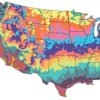
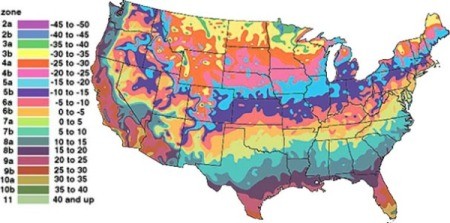
In the Mid-1900s, the United States Department of Agriculture (USDA) drew up a map that included 11 different plant hardiness zones for the United States, Mexico and Canada. Zones were defined by average annual minimum temperature. A 10 degree F difference separated each zone. The map was originally created for the agricultural industry as a tool to help farmers select hardy plant varieties, but it also works for our native landscapes and gardens today.
Over the years, there have been several updates to the map. In 1990, each numbered zone was further sub-divided with the letters "a" and "b", representing the low and high end of the temperatures within each 10 degree F zone ("a" the low end, "b" the high end). In general, higher zone numbers are warmer.
Most major nurseries and seed companies use the USDA Plant Hardiness Zone Map when labeling their horticultural products for consumers, but make sure the products you purchase or order through the mail are actually suited to your zone. This is especially true when buying plants from chain brand discount stores with garden centers. They sometimes offer the same plants for sale in all their stores nationwide.
The USDA Plant Hardiness Zone Map can tell you the "average" minimum temperatures in your zone. This date has been acquired from years of weather records and is particularly useful for planting trees, shrubs and perennial plants. When a plant has been labeled for zone 5, for example, it means it has adapted well to withstand the minimum average temperature (-20°F) in zone 5.
The USDA Plant Hardiness Zone Map is a useful guide, but it is only one small part of the picture. There are several other factors to consider:
Growing Season (Frost Dates): One of the most important factors for determining which plants are most suited to your area is your growing season. A growing season is defined by the total number of frost-free growing days. This is especially important to know when growing vegetables and annuals. If you live in zone 2 for example, seeds that need longer than 90 days to grow (total number of frost free days) will need to be started indoors.
Environmental Factors: Wind, soil type, moisture, sunshine, heat, humidity, fertility, drainage and day length all have an effect on growth performance.
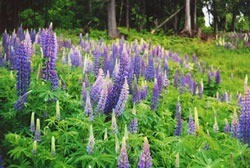
It's not nice to fool Mother Nature, but for gardeners in cooler zones, it isn't uncommon to experience a little "zone envy" once in awhile. Plants may or may not survive in zones warmer or cooler than they are rated for, but there are ways to "stretch" your zone by sneaking in a few extra growing days.
Hot caps, row covers and blankets can be used to ward off early or late frosts and squeeze in a few more days on either end of the season.
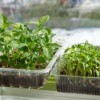
Cold frames or starting seeds indoors will accelerate germination by several weeks and provide protection against cold temperatures.
Greenhouses are perhaps the best way to create a frost free zone year round.
Many factors influencing plant winter hardiness have changed since the last USDA Plant Hardiness Zone Map was updated in 1990. Having received a grant from the USDA, the United States National Arboretum is currently in the process of creating a new and improved (and more accurate) version of the Plant Hardiness Zone Map. This new map will expand the zones to 15 and will document the tolerances of plants taking into consideration several 21st century factors.
Editor's Note: Here a link to the updated interactive USDA Plant Hardiness Zone Map which locates your zone via your zip code.
About The Author: Ellen Brown is our Green Living and Gardening Expert. Click here to ask Ellen a question! Ellen Brown is an environmental writer and photographer and the owner of Sustainable Media, an environmental media company that specializes in helping businesses and organizations promote eco-friendly products and services. Contact her on the web at http://www.sustainable-media.com
Add your voice! Click below to comment. ThriftyFun is powered by your wisdom!
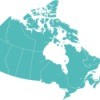
As always your infomation is handy to have but I wish you could add a Canadian Map for those of us who live in the southern part of canada like Medicine hat,bow island just a wee bit above you all you folks always have the best info sure would appreciate it and I know I speak for a few more who would also
Di Seymour
~ ~ ~
Editor's Note
Here you go Di,
Here is a link to Canadian Hardiness Zones
wms1.agr.gc.ca/
I cannot get the link to USDA map to work. States file unknown?
Editor's Note: The link should work now.
Looks like the updated site for the USDA Plant Hardiness Zone Map is: planthardiness.ars.usda.gov/
I am told that this site no longer exists!
Add your voice! Click below to comment. ThriftyFun is powered by your wisdom!