Monarda didyma
Bergamot, Bee Balm, Oswego tea
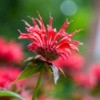
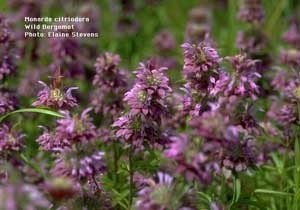
Bergamot is grown for its decorative flowers and aromatic foliage. The plants consist of tubular, crown-like flowers on top of 3 to 4 foot stems with dark green aromatic leaves. Usually bright scarlet in color, the flowers bloom in mid to late summer and also come in salmon, pink, mauve, purple or white, which, along with most gardeners, bees and hummingbirds also find attractive.
perennial
full sun or partial shade
Bergamot like moist, fertile soil so work plenty of compost into the ground before planting each spring.
seeds or cuttings; divide clumps in autumn every two years; named cultivars must be propagated by cuttings or division.
leaves; sweet orange-like fragrance
cut fresh leaves for use as needed
aromatherapy
use leaves in salads, fruit salads, fruit drinks, teas (flowers), pork and other meat dishes.
use flowers and leaves for wreaths, posies, aromatic bath water, cut flowers, perennial border and beds, potpourri, perfumes, scented oil and candles
Editor's Note: This is not the same bergamot as is used in Earl Grey Tea. That flavoring is derived from Bergamot oranges but the scent is very similar.
About The Author: Ellen Brown is an environmental writer and photographer and the owner of Sustainable Media, an environmental media company that specializes in helping businesses and organizations promote eco-friendly products and services. Contact her on the web at http://www.sustainable-media.com
Add your voice! Click below to comment. ThriftyFun is powered by your wisdom!