ThriftyFun Logo
Home   Find   Ask   Share   Answer   Join   Index   Login  
 
 User Login:  Username:    Password:      Forgot It?  | Join ThriftyFun!

 - Beauty
 - Budget and Finance
 - Cleaning
 - Consumer Advice
 - Craft Projects
 - Craft Tips
 - Food Tips
 - Garage Sales
 - Gardening
 - Gifts
 - Green Living
 - Home Improvement
 - Organizing
 - Parenting
 - Parties
 - Pest Control
 - Pets
 - Product Reviews
 - Recipes
 - Repair
 - Weddings for Less

RSS Feed
About Us
Media
Advertising
Contact Us
Privacy Statement
Disclaimer

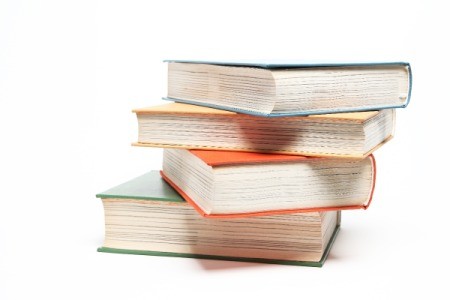
Saving Money on College Books

1x1
Date: 08/27/2009 Topic: College Life > Books  
1x1
Post Feedback | Get Responses | Bookmark | Link | Print | Print (With Feedback) | Rate: Thumbs Up Thumbs Down | Bookmark and Share
One of the worst "visible" expenses I had to deal with at college was books and supplies. If you're a freshman, you will be knocked directly on your butt at the cost of a semester's worth of "educational materials." If you're an art student, you'll have to sell body parts to get your supplies! :)

The best way to arm yourself against losing money and getting gouged is to know how the "book racket" works.

  1. You sign up for English 101 and obtain your class book list. It has three books on it - an anthology of stories and two separate "one story" books.

  2. You go to the student bookstore to purchase these books, which, if purchased new, will be around $80-$100.

  3. You make it through class, and at the end of the semester you go back to the bookstore to sell back your books. The bookstore offers you $5. $2 for each of the single-story books, and $1 for your anthology.

So, why the discrepancy?

If the publisher comes out with a new edition of the book, your edition becomes worthless. So those $200 chemistry or math books will now be obsolete because the publisher added an extra sentence.

If a professor isn't going to use the book for the next semester, it becomes worthless. Some book buyback people will throw you a dollar or two to take your book (and then they'll turn around and sell it elsewhere for three times as much - or more).

So, what do you do to save cash?

  1. BUY USED. It's okay to have used books. The bookstores won't sell anything that is falling apart. They always have a lot of used copies. Browse them until you find a nice one. I had a book that cost $65 new - I got it for $19.

  2. DON'T LIMIT YOURSELF TO THE STUDENT BOOKSTORE. Get your booklist as soon as possible and shop around. Shop online for new and used. There are websites specifically for college book sales, returns, etc. Some books will be exclusive to your school bookstore. Most are not. Shop around your dorm, too. If it's second semester, there's a good possibility someone is taking the class you just had, and you are taking a class someone else just had. Sell books to each other, have a book swap - do what it takes to save money.

  3. BOOK BUYBACK. You are NOT required to sell your books back to the bookstore. When you are done with the books, go to book buyback to see how much they'll offer. If you think it's good - take it; if not, don't. Sell elsewhere - garage sales, Craigslist. Whatever you do, don't let them take your books for free. I have seen students who will leave their books at the buyback because the bookstore says they won't buy them back (due to reasons stated above). Why would you pay for a book and then return it to them for free. Just because they aren't going to use it at that school doesn't mean they wouldn't box it up and ship it to another school for use. Keep your book and sell it elsewhere. Even 25 cents is more than zero from the bookstore.

And a note to art students - you will be completely gouged by the student bookstore art supply area. Shop elsewhere. Online, at the dollar store (you'd be surprised what you can find) - be creative. You don't need the $100 paint brush. Buy "hues" in oil paint rather than the actual colors. Learn how to stretch your own canvases. Become a scavenger and use unique materials to create art.

By GalFriday08 from Oakland County, MI

(1x1 graphic )
Previous: Homemade Jelly As Christmas Gifts ThriftyFun Next: Skype Is Increasing Connection Fees
(1x1 graphic )
1x1
1x1
 Feedback
1x1
1x1
1x1

By ChinkeeNDrii (3) Profile Contact
GO to half.com They are a part of ebay. My BF got all of his books using the ISBN Numbers given to him at his college bookstore. He saved over half!

Posted on 09/07/2009 | Report Spam or Abuse

By louel53 (624) Contact
These are some excellent tips for buying books, but as an senior art student, I have to disagree with the advice about art supplies. The bookstore at our University has very competitive prices, and good quality supplies. If you are taking a university/college class, you do not want to have dollar store supplies. There IS a difference. Our bookstore has a big sale on the first week of each term. The local artists supply shops (and I DON'T mean Michael's) have sales at the beginning of the term as well, and give student discounts. Shop around.

Also, I found that my art profs were very aware of the high cost of art supplies and did not ask for a lot of expensive things that were not used. Now, I do agree, you don't need the $100 paint brush, and you can certainly save by stretching your own canvases. Those are good tips. But do buy student grade materials from reputable art suppliers. And, if you are a beginning artist, talk to someone with experience about what you actually need. If you don't know anything about materials, you don't want to buy online. There are some great prices, I agree, but only if you know what materials you like and which are good quality.

Posted on 09/01/2009 | Report Spam or Abuse

By 2oma (126) Profile Contact
Absolutely correct! Got a $100 plus useful nursing book for $30 on Amazon. Excellent article here. Keep it to use in the future!

Posted on 08/28/2009 | Report Spam or Abuse

1x1
1x1
 View Archives:
1x1
1x1

This pages has been archived 1 time. You can view older posts and feedback below.

1x1
1x1
 Post Feedback:
1x1
1x1
1x1

Login using the form on the top of the page to post feedback (if you are a registered user). If you have not yet registered, click here to do so. It's FREE!.

1x1
(1x1 graphic )

1x1
 Archives:
1x1
1x1

Tip: Saving Money on College Books

Archived on 08/27/2009

By Kelly Ann Butterbaugh

Saving Money on College Books
College is expensive; that's no news to anyone. While many know that scholarships, grants, and community colleges save money, what they may not know are the smaller ways to save money while they're already there. Books can be the costliest expense not covered by financial aid. With some courses totaling $200 in books, the investment for a full course load is overwhelming. How can money be saved?

Shop Around

Many colleges list the required books well in advance of the first days of class. (If they don't, e-mail the professor and ask which books he/she will be using.) Rather than wait in the long line at the bookstore, gather the ISBN numbers (found on the back of books by the barcodeevery book printed has one.) ISBN numbers identify the exact edition of the book so that you can always be sure you purchase the correct version. Start surfing the Internet for cheaper places. Such search guides such as www.textbookhound.com allow you to compare various sellers and their shipping discounts. Amazon.com also offers most texts at reasonable rates (Amazon often offers free or reduced shipping for larger orders.) but what's better is the used rate which is listed there as well. Many books that are listed under new and used are still in the shrinkwrap for almost half price. If on-line shopping isn't making you happy, then order it through your local bookseller who may charge less than the college bookstore. Stores like Barnes & Noble offer cheaper rates and order the book so that you can pick it up at the store and save on shipping.

Do I Really Need It?

Professors list required books for the course intending the students to read the books, not purchase them. See if your local library holds any of the books required for class. Bundles can be saved in literature courses this way. The major downfall is that you cannot write in your text, but that's the decision you make in buying or borrowing.

Again, check on-line. An e-book may be available for a book which will be cheaper than purchasing the hardcopy book. Jump on e-mail and ask you friends if they have the book from a previous course and borrow it from them (or buy it at half price and you're both happy.) Do some brainstorming, and e-mailing, and phoning to see if you can save a few dollars.

Tag Teaming

This method works well for friends who carry the same course load or at least two similar courses. List the books you both need. Then, divvy the list and each of you buys half of it (try to keep the costs even.) You'll need to plan ahead for the readings, but share the books as the semester rolls along. You'll each save half of your book cost, and you'll keep on top of one another to complete the readings on time.

Even though I love to surround myself with books, as a college professor I sympathize with my students' bookstore bills. If they can save a few and still complete their readings, I give them credit for their frugality in an expensive climate.

About The Author: Kelly Ann Butterbaugh is a freelance writer who regularly contributes to a variety of magazines and has written a history book for middle readers. Visit her website for writing help, lesson plans, history fun, or work for hire at http://www.kellybutterbaugh.com

Feedback:

RE: Saving Money on College Books

Find out in advance, if possible, what you need. Then try ebay. (12/28/2006)

RE: Saving Money on College Books

This is what I do to save money on school books:
  1. You may not need the book for class at all. Make sure before you buy it.

  2. Get the ISBN #'s off the books and shop around!!

  3. After you get done with the book: SELL IT!! I usually sell mine on Amazon. (03/31/2009)

    By Kiki2820

    Report Spam or Abuse

© 1997-2009 ThriftyFun.com - Design by Cumuli Design
Disclaimer: ThriftyFun.com cannot accept any responsibility for any injury or damage that you may cause to yourself, others, or property when following any advice given on this site. Read the full disclaimer. If you find any information on ThriftyFun.com or in our newsletters that is either erroneous and/or potentially harmful to others, please Contact Us, immediately.