ThriftyFun Logo
Home   Find   Ask   Share   Answer   Join   Index   Login  
 
 User Login:  Username:    Password:      Forgot It?  | Join ThriftyFun!

 - Beauty
 - Budget and Finance
 - Cleaning
 - Consumer Advice
 - Craft Projects
 - Craft Tips
 - Food Tips
 - Garage Sales
 - Gardening
 - Gifts
 - Green Living
 - Home Improvement
 - Organizing
 - Parenting
 - Parties
 - Pest Control
 - Pets
 - Product Reviews
 - Recipes
 - Repair
 - Weddings for Less

RSS Feed
About Us
Media
Advertising
Contact Us
Privacy Statement
Disclaimer

What to Look For When Buying Bulbs

By Ellen Brown
1x1
Date: 09/18/2008 Topic: Gardening > Bulbs  
1x1
Post Feedback | Get Responses | Bookmark | Link | Print | Print (With Feedback) | Rate: Thumbs Up Thumbs Down | Bookmark and Share
What To Look For When Buying Bulbs
Bulbs are containers. Each of them houses all of the necessary ingredients (except water) to grow a beautiful flower. It should come as no surprise then, that the quality of the flower you end up with depends a lot on the quality of the bulb you start with. Here are some things to keep in mind the next time you shop for bulbs.

Size Matters

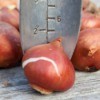
There is a direct correlation between bulb size and flower size. This is because large bulbs contain larger food reserves, which in turn, produce larger flowers (or more of them). Always select the largest bulbs of the variety you're planting.

What a Good Bulb Looks Like

A good bulb will look large and plump. You should not see mold, scars, cuts, soft spots, or blemishes anywhere on the surface. The brown paper covering (called the tunic) should be intact, although it's fine if it shows signs of cracking, gaping, or flaking. Avoid bulbs that are discolored, or those showing active growth from the roots or neck (a short green tip shoot at the neck is okay). Bulbs should never appear shrunken or dried out, unless you are shopping for ranunculus or anemone, which always look like they are withered up.

What a Good Bulb Feels Like

A good quality bulb feels firm to the touch. When you poke the base with your index finger, it should feel solid and free of soft spots. When you pick it up, it should feel heavy for its size.

Avoid these:

  • Bulbs with stem growth, especially if it's long, spindly and white or pale green
  • Bulbs with soft necks or mold underneath the tunic
  • Bulbs that are light for their size
  • Bulbs with a soft base
  • Bulbs with clearly active root growth
  • Bulbs that appear small, shriveled, or dried out

Selecting Rhizomes, Tubers, and Corms

Rhizomes, corms, and tubers are all bulbous types of plants. Many times, they are all loosely grouped together as bulbs. Whether you are shopping for true bulbs, rhizomes, tubers, or corms, the buying tips are all the same.

Saving Money When Buying Bulbs

Large bulbs come with a higher price tag, so if you're planning to do a large planting, medium grade bulbs may be your best option. You should still get a moderate display of flowers, but stepping down to a slightly smaller bulb can save you a lot of money if you're buying large quantities of bulbs. In general, shop early for the best selection and be prepared to plant your bulbs as soon as possible. Above all, do your research. Know the conditions required to grow what you're buying.
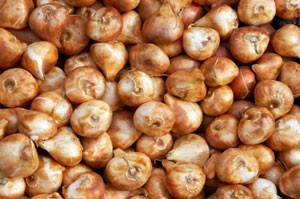
  • Buying Loose Bulbs: These can be cheaper than prepackaged bulbs, and you have the advantage of inspecting them individually. Buy these bulbs early, and only after careful inspection. They often get manhandled by other shoppers.
  • Buying Prepacks: When buying spring bulbs like crocus, tulip, or daffodil, prepackaged bulbs are a good buy. These bulbs may not have been roughed up as much by shoppers, but then again, you cannot always see what you are buying. They also tend to sit on the shelf the longest, which can lead to premature growth or deterioration from being stored at room temperature. Most bulbs sold this way now come in transparent plastic pouches, just be sure the pouches are equipped with ventilation holes.
  • Buying Collections: Prepackaged collections are the most economical way to get a variety of similar type bulbs, without having to order them individually. On the downside, you have no choice but to accept whatever types of bulbs are being offered in any given collection.

About The Author: Ellen Brown is an environmental writer and photographer and the owner of Sustainable Media, an environmental media company that specializes in helping businesses and organizations promote eco-friendly products and services. Contact her on the web at http://www.sustainable-media.com

(1x1 graphic )
Previous: Fixing a Muddy Area In My Yard ThriftyFun Next: Craft Project: Origami Basket
(1x1 graphic )
1x1
1x1
 Feedback
1x1
1x1
1x1

No Feedback Yet

Be the first to post feedback! Click here to post feedback.

1x1
1x1
 Post Feedback:
1x1
1x1
1x1

Login using the form on the top of the page to post feedback (if you are a registered user). If you have not yet registered, click here to do so. It's FREE!.

1x1
(1x1 graphic )

© 1997-2009 ThriftyFun.com - Design by Cumuli Design
Disclaimer: ThriftyFun.com cannot accept any responsibility for any injury or damage that you may cause to yourself, others, or property when following any advice given on this site. Read the full disclaimer. If you find any information on ThriftyFun.com or in our newsletters that is either erroneous and/or potentially harmful to others, please Contact Us, immediately.