HomeBrowseNewslettersContestsAskShare 
AllGuidesQuestionsVideosBy DateRecent Feedback My AccountAbout Us
Budget & Finance > Identity Theft on August 21, 2011

Preventing Identity Theft

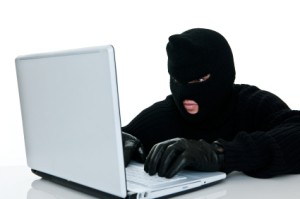
Preventing Identity Theft, Thief in mask on ComputerIdentity theft is becoming surprisingly common. There are many steps you can take to avoid becoming a victim of identity theft. This is a guide about preventing identity theft.
     

Videos

Watch and rate the videos below.

Avoiding Identity Theft

Beverly from Wells Fargo bank, explains some simple steps you can take to help avoid identity theft. Be sure to watch the related videos for more information and tips regarding identity theft.
0 0SharePrintFollowPost Feedback

Solutions: Preventing Identity Theft

Read and rate the best solutions below by giving them a "thumbs up".

Destroy Sensitive Papers by Soaking Them

Here's an idea if you have a large amount of paper that needs to be shredded and have a small shredder that can handle only so much or the motor gets hot if it runs too long. I used this method to destroy old checks when we changed addresses.

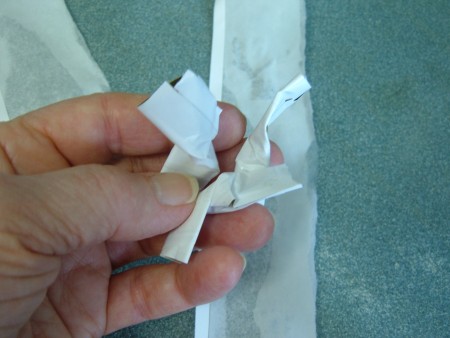
Fill a sink up with water and place all the papers in there then wait a few hours they will turn to mush Stir them around and squeeze them out with your hands, then place them into a plastic bag for the trash. Takes a lot less time then shredding.

By norulesart from Sunny Florida

32 0SharePrintFollow6 Feedbacks

Card Safety At The Gas Pump

Use the clear button after you get your receipt when pumping gas at the gas station. It should be on the bottom left hand side. A dishonest employee could possibly use the stored info you leave at the pump if you don't. This has happened before to other people. I am going to start pushing the clear button from now on.

By Robyn Fed from Hampton, TN

18 0SharePrintFollow5 Feedbacks

Prevent Identity Theft Via Phishing

Let's talk emails. You get the cute ones from friends , the important ones from work and family and then you get the ones that are disguised. These emails are set up to fool you and convince you to give information that sets you up for a fall. Possibly for identity theft.

These emails are a true threat. They come from sites you use and seem to be very plausible. The most important thing you need to know is NEVER trust an email that asks you for your password. That seems pretty obvious.

But what about an email that gives you your user name and asks you to click a link to verify your account is valid or still active? You click the link and another window opens with a sign-on screen. Everything looks right. But is it?

Never use a sign-on page where a link is provided. If you aren't paying attention you might not realize you are on a fabricated page. For example: lets say you got an email from Yahoo to verify your account by clicking on a link and signing on. You click on the link and go to a Yahoo URL. But the extension of the URL is UK or FM or something else. It isn't Yahoo.com.

This tactic is called "phishing" and is pretty popular. If you get an email that looks legit but you just aren't sure the safest thing to do is go to the website yourself, don't use the link in the email. Actually open a browser and type in the website. Login like you normally would. If nothing seems amiss, get a CONTACT link and send the website a message asking if they sent the email. Some sites have special email addresses for you to forward bogus emails. Three that I use frequently are : spoof@ebay.com, spoof@paypal.com and phishing@yahoo.com.

Always second guess emails that you aren't expecting from sites you normally use. That's safest way to go. Happy surfing.

By suntydt from Tazewell TN

13 0SharePrintFollow3 Feedbacks

Save Wear on Your Shredder

Keep a pair of scissors near your paper shredder. Then you can cut the private information off of the page, and shred that. Keep the rest of that sheet for scratch paper.

By Ann P. from Northampton, MA

10 0SharePrintFollow3 Feedbacks

Protect Bank Cards With Foil

I now wrap my CC and debit cards in an aluminum foil wrap. This prevents anyone from downloading the numbers if they try to scan my purse. This practice is also good if you carry your Social Security and health cards. I find this is easier then the aluminum wallet used for this purpose.

Source: ABC Eyewitness News on Thivery Scams with carry around card scanners.

By Becky from Staten Island, NY

10 1SharePrintFollowPost Feedback

Prevent Identity Theft

If you're like us, chances are you know someone who's been taken for a ride by an identity thief. It's a bad ordeal, and when you're pinching pennies, it can be the last straw if someone invades your financial privacy. Here are a couple of things we do around our house:
  • Change your online financial passwords every 28 to 30 days, and leave Fido or Fluffy and your kids' names and birthdays out of the mix. The best passwords are at least 12 characters in length, with a mix of upper and lower case letters and numerals and no words that can be found in the dictionary.

  • Keep your passwords in a safe place. This sounds like a no-brainer, but a book at your desk or a file on your hard drive isn't what you want to do. We keep ours in a small flash drive ( thumb drive, stick) that's squirreled away far from the computer desk. We also keep a hard copy locked in our fireproof safe.

  • If you also have a portable cash box/safe: did you know that most people keep them in the master bedroom? Well, thieves do. It's one of the first places they look. Find another area of your home to stash it - the more dust bunnies and grungier, the better.

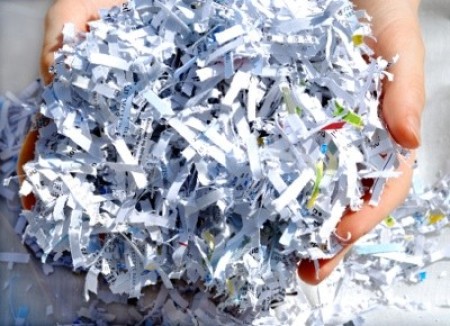
  • If you don't shred sensitive paperwork and mail or otherwise dispose of it wisely, you're a sitting duck for an ID thief. We don't own a shredder, but cut the paperwork up in small back-and-forth pieces, let them sit in a bowl of hot water for a half-hour,which blurs the ink; drain and - here's where Fido DOES come in- throw it into a fresh doggie doo disposal bag and fill 'er up our next trip out with the dog. (Kudos to the prospective thief who'll muck through this).

  • Cat owners can throw in used litter; non-pet owners: be creative! Mix the paper sludge in with coffee grounds, leftovers, or anything else that's a mess.
Yep, it's a little extra work, but not nearly as time-consuming, scary, and aggravating as trying to get your bank account and credit score back to normal if you've been caught off-guard.

By puppermom from Hollywood, FL

9 0SharePrintFollow4 Feedbacks

"Please Ask For ID" On Back of Credit Cards

I used to sign the back of my credit cards with my signature until I had my purse stolen. It had "everything in it" (all my credit cards, social security card, etc.), so I had to block all cards immediately! The companies issued all new ones. On the "new cards", instead of signing my signature on the back, I put "ASK FOR ID" and it works fine for me. I don't believe a thief would try using these.

By roadrouser from Atlantic, VA

8 1SharePrintFollow9 Feedbacks

Keep Your Social Security Number Private

Those of us who have Medicare cards know our social security numbers are on them. I had always wondered about that, since it is not a good idea to carry your social security card with you. Clark Howard (The Money Guy) suggested we make a copy of the Medicare card blacking out all of the number, except the last four digits. When we take this copy to the doctor's office, we can give them the other numbers. Then we simply carry the copy with us and leave the original card with the full SSN in a safe place at home.

Source: Clark Howard TV Show

By HJ from DE

6 0SharePrintFollow1 Feedback

Identity Theft Tip - When Ordering Checks

When ordering checks, have only your initials printed in the heading with your address. When signing your checks, use your full name (first and last). If your checks are stolen, the thief won't know your first name(s) by looking on the checks. Any checks signed with your initials are easily identified as stolen!

By Cheryl from Missouri
2 0SharePrintFollow2 Feedbacks

Protecting Yourself from Identity Theft

Protecting Yourself

Protecting Yourself

Each year 8.4 million Americans are victims of identity theft. Ask around and it shouldn't be hard to find someone who can recant the tale of stolen identity. Frozen bank accounts, canceled credit cards, and ruined credit; the tales are frightful. Yet, just as one would protect a wallet full of money, one also needs to protect electronic cash.

Invest in a Shredder

Shredding documents which contain personal information is essential for financial safety. If a shredder isn't available, tear such documents into small pieces before discarding them; most thieves aren't going to work to piece things together. Some banks offer a shredding day where members may drop documents for shredding. However, the convenience of home shredding can be had for as little as $30. Known as 'dumpster divers', thieves actually sort through trash in search of papers with personal information. Many identities are lost due to stolen mail or dumpster findings. Privacy Rights Clearinghouse recommends that people cancel paper bills and resort to online bills and bank statements due to this type of thievery.

Keep It Personal

Personal information that can be used to identify you should be kept personal. Keep documents containing such information in a safe and secure location, and don't give out your social security number unless it is essential. The Federal Trade Commission advises, "Don't give out personal information on the phone, through the mail, or over the Internet unless you know who you are dealing with."

A Javelin Strategy and Research survey from February 2007 declares, "Most thieves still obtain personal information through traditional rather than electronic channels. In the cases where the method was known, 68.2% of information was obtained off-line versus only 11.6% obtained online."

Be Careful Where You Surf

Known as "phishing," e-mails that look surprisingly real often ask the recipient to click on a link and follow a procedure. Financial institutions as well as the Federal Trade Commission advise people to delete such e-mails. If you're wondering about the validity of the request, don't click on the link provided in the e-mail. Instead, go directly to the institution's website and follow the links there. For instance, if Amazon.com sends you an email asking to update your credit card information, go directly to the Amazon website and login to your user account. This is the safe way to protect yourself.

Be Wary

When it comes to identity protection, you need to be on the defensive. Be aware of missing mail such as bills or bank statements. Between 38%-48% of victims realize that they're victims within the first three months of the crime. Nearly 18% of the victims are unaware of their predicament for three to four years.

Thieves can easily complete a change of address form and have mail forwarded to the address of their choice. This allows sensitive information to be delivered to their hands. If mail seems to be 'disappearing,' contact your local post office and your bank.

With online banking, it's easy to overlook fraudulent charges. Often, we look at our online statements but we don't balance our checkbooks in the traditional fashion. This allows for small purchases to go unnoticed, leading to larger purchases down the road. Check statements carefully.

Get Help

Many places offer help with protecting your identity.

For a free annual credit report, visit https://www.annualcreditreport.com/cra/index.jsp.

To access more tips about online security, check out http://www.onguardonline.gov/.

If your identity is compromised, report it at http://www.ftc.gov/bcp/edu/microsites/idtheft/.

By Kelly Ann Butterbaugh

2 0SharePrintFollow1 Feedback

Identity Theft and Your Trash

Beware if anyone is going thru your trash. I know a lady who isn't at home much during the daytime. One day the UPS man showed up at her house with a whole truckload of packages for her. When she insisted that she'd not ordered anything, he said, "well, they're all addressed to you". When she opened a few of them to see what they were, the products had been ordered from a specific company. When she and her daughter called the company to see why they'd sent all those packages for? They replied that a person had called in a huge order and said it was to go to her address.

After some days of checking on this matter, both, from the company and by this lady and her daughter. The lady had recently tossed in her trash one of this company's catalogs. The company said the person who called in the order was a young man. After getting all this info, the lady and her daughter called the cops.

Upon hearing the situation and investigating it, what it came down to was...One of the lady's neighbors had gone thru her trash and with a stolen credit had made those purchases to go to the lady's house. They were just banking on her NOT being at home to accept the boxes of merchandise! They figured the UPS delivery man would leave the boxes on her front or back porch and they'd retrieve them before she got back home! Which this wasn't the case, she just happened to be home, that day. So beware of your trash and who has access to them!

By Terri
1 0SharePrintFollow2 Feedbacks

Keeping Your Identity Safe

Tips to keep your identity safe:
  1. Do not sign the back of your credit card, instead put "PHOTO ID REQUIRED"
  2. When writing checks for credit card payments do not write in the entire account number on the memo line. Record only The last 4 digits of the account number.
  3. Checks: Do not put your home phone number or SS# on your checks. Use a PO box for the address if you have it.
  4. Copy the contents of your billfold and keep in a safe place. If your billfold is stolen you have the credit card account information and the toll free number to report the theft. Take a copy of this with you when you travel and lock in the hotel safe in the event of a theft.

If you experience a theft:

  • File a police report as soon as possible
  • Cancel all cards immediatley
  • Report to national credit agencies (Experian 1-888-397-3742), Equifax (1-800525-6285) and Trans Union (1-800-680-7289) and report the theft.
  • Report the theft to the Social Security fruad line 1-800-269-0271
  • When traveling keep a photocopy of your passport in a safe place in the event it is stolen.

By Diana from Prospect, KY

1 0SharePrintFollow8 Feedbacks

How can I prevent identity theft from happening to me?

As with any crime, you can't guarantee that you will never be a victim, but you can minimize your risk. By managing your personal information widely, cautiously and with an awareness of the issue, you can help guard against identity theft.

Read More...

0 0SharePrintFollow1 Feedback

Check Online Banking Balance Frequently

Check your online banking frequently! Someone has stolen my debit card and has been taking $75.00 per day from our checking account. I have not used it at any unfamiliar places. They have stolen over $600.00. I noticed on Monday and had the bank cancel our cards but debit card purchases do not always show up until several days after the purchase and the stealing is still happening on Thursday.

The police told us that it's a drop in the bucket for the bank and that they will eat the cost rather than go after the thieves. I feel that someone may have hacked into a local store' data bank because customer service told us that we are not the only ones. They don't want to advertise that there is a problem for fear of losing customers. The bank will eventually pay us back but the stress is awful.

So, go check your online bank account for unauthorized charges!

By Karen from Western, MA, USA

0 0SharePrintFollow14 Feedbacks

Preventing Identity Theft - Locking Mailboxes

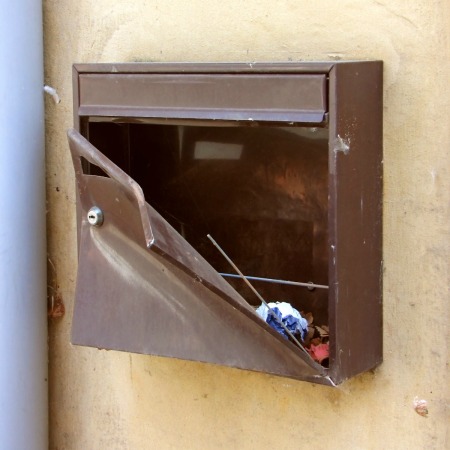
To eliminate the chance that identity thieves will tamper with your personal mail, consider a mail box that locks, or a mail slot in your front door which drops the mail inside your home.

By Truerblue
0 0SharePrintFollow1 Feedback

Shred Financial Papers Before Discarding

Invest in a paper shredder and shred all of your financial papers, receipts, etc. before you throw them away. There is too much identity theft out there and if they are shredded, no one can get your information.

By Robin
0 0SharePrintFollow4 Feedbacks
Share Your Feedback: Once you try any of the above solutions, be sure to come back and give a "thumbs up" to the solution that worked the best for you. Do you have a better solution? Click "Share a Solution" above!

Questions

Here are questions related to Preventing Identity Theft.

Disposing of Free Address Labels to Prevent Identity Theft

My mother gets hundreds of the sticky return address labels, we have been cutting them up and trashing them. They destroy shredders, by gumming up the blades. How can we get them to stop sending them and what is an easier way to dispose of them?

By Jeanne

SharePrintFollow8 Feedbacks

Most Recent Answer

By Miss Bonnie 05/25/2011

First, make use of the whole labels to attach on mail you send out.
Second, use whole labels to identify your pot luck dishes, utensils, casserole dishes for friends, family, or neighbors.
Thirdly, label condiments, books, movies, and music, adding a blank label, to name the item, from Avery "peel and stick office labels" you find at thrift stores and garage sales, very inexpensively.
Finally, cut off the pretty pictures to add color, excitement, and design to use like stickers and stamps on letters, artwork, and scrapbooks.

Archives

Here are archived discussions related to this page.

Prevent Identity Theft

Help yourself from becoming a victim of identity theft: Do
not keep anything in your wallet/purse with your Social Security number on it. This includes your Social Security card, old Medicare cards, or your group health insurance card. The newest Medicare cards only contain the last 4 digits of your SS number.

Truerblue


RE: Prevent Identity Theft

My daughter literally had the rural newspaper deliveryman take her credit card bill out of her mailbox, copy the numbers put the bill back the next night and use the card numbers. He had done this at several homes that he delivered the paper to. So the warning is do not leave mail in your mailbox overnight. The man spent 18 months in jail and the newspaper that he worked for would not even report it in their paper nor take any accountability for his actions in fact while he was in jail, his wife delivered the newspapers. The police discovered that he had several post office boxes in different names so that he could receive the merchandise from the stolen cards that he used to order through mailorder catalogs. (04/08/2005)

By Joan

Follow ThriftyFun