I've found that all soap products have continued to rise in price for many years, so I started making my own. I was so afraid of using Red Devil Lye that it took me a long time to get enough courage to do my first batch of bath and beauty bars.
I was determined, and I began to read everything I could get my hands on regarding making soap from scratch; all the way from rendering out beef tallow (which makes a wonderful and gentle soap), to the melt and pour type (which allows you to avoid using the lye). It's just way more expensive, and I was looking for the least expensive and the best soap in the world.
On the day I made my first "batch" of soap, my husband helped me. First, we locked all the pets out of the way so that they could not possibly get in the way or splashed if (God forbid) there was an accident of any kind.
When we ended up pouring up that first batch of soap in the big Rubbermaid containers, it was one of the happiest days I've ever spent doing anything.
It was ready to cut into bars the following morning, and we stacked it allowing the air to circulate through it, then patiently waited the 4 weeks for it to "cure" before using it, but Oh My Goodness, what a treat it was using that first bar of our own soap.
From there, I made our own shampoo, dish-washing and laundry soap. I can't even tell you how much cheaper it is. Any soap product is expensive today, and if I can make our own, that's what I want to do.
We in America will most likely see the day when knowing how to be more independent in almost every aspect of our lives will prove to be beneficial. I consider cleanliness a necessity, and I'm so glad that I can take care of that necessity all my myself now.
Of course, I am still having to buy some oils, fragrances and a few other items in addition to my Red Devil Lye, but I'm staying way ahead of the game by saving money and making the best possible face and bath soaps, shampoo, and the other soap products we use every day. Soap, when made properly will probably last for many, many years, so I'm making and packing it away now while I still can.
It is a very satisfying and rewarding craft and I'm so glad I spent the time learning how to do it right. I'm also very thankful that I'm not having to leach wood ashes to make my own "lye" or butchering the beef to get the tallow. If I really had to, I guess I'd soon learn to do those things too.
By Julia (pookarina) from Boca Raton, FL
This page contains the following solutions.
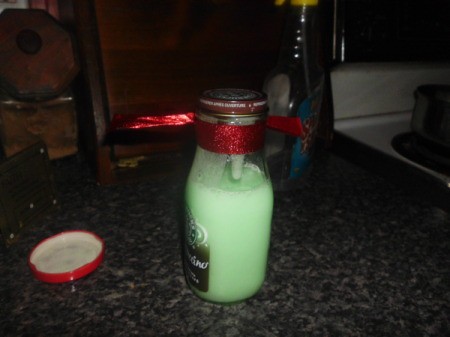
Put 3/4 cups of white sugar into a glass jar and add some dish soap. Then stir, you don't want it too runny. If it is, just add more sugar until you get the right consistency.
Here is a tip to help encourage children to love washing their hands and bathing with lots of soap without a huge hassle. When making your own soap, a very cheap thing to do is to buy a bag of small plastic toys from a dollar store.
From the culinary to the medicinal, there are hundreds (maybe thousands) of ways to use herbs - including making scented herbal soaps. From the simple to the complex, there are dozens of methods for making soap.
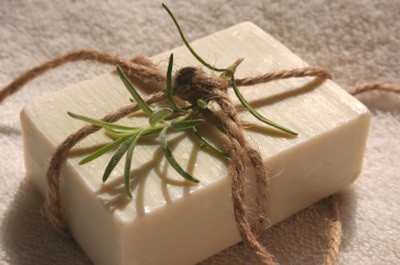
Buy bar soap at rummage and garage sales-any kind including guest soaps. They can be beat-up, dried up, broken,etc.
To make wonderful smelling and silky soap, grate a small bar of soap (or leftover slivers) into a medium saucepan. Add 1 1/2 cups of water and bring to boil, cooking 1 minute.
When correctly made, homemade soap is of high quality, ranking with some of the better commercial brands of soap. It can well be referred to as "one of the few remaining bargains" for homemakers today.
Slowly add lye to cold water, stir to dissolve. Melt fat and let it cool. Pour into lye and use a wooden spoon to stir until it gets too stiff to stir.
When boiling meat bones for stock, add 2 tablespoons of either vinegar or lemon juice to the cooking water. The acidity helps dissolve the gristly tendons into collagen and gelatin, which makes the broth more nutritious.
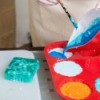
Have some containers ready for each color. You will also need something for a mold, an ice cube tray or something similar will work. Mix the soap flakes with the hot water, stirring constantly.
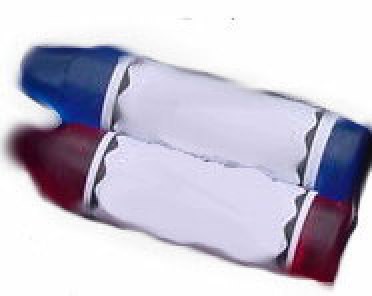
This is how my grandma used to make soap. A just for fun recipe!
Melt your glycerin soap down using a double boiler method. Once metled add the cinnamon oil, keep stirring until completely mixed and then pour into your soap molds.
Melt beeswax and keep warm/liquid. Melt soap base and then mix in beeswax. Add honey and keep stirring until melted. Pour into a soap mold.
Here are the questions asked by community members. Read on to see the answers provided by the ThriftyFun community.
How can I apply sugar, milk, beer, and honey to soap recipes? How can I test to know that finished home-made soap is good for the body?
Kachi
www.google.com/
This is the google site that gives you hundreds of recipes for the soap you want. I also found really great books at the library, so I hope these both help.
PBP
When making the lye soaps which need to be stirred and then poured into a mold, add your honey or lavender or even oatmeal right before pouring to mold.
I am looking for a basic recipe for soap that I can use my own different scents oils in. I would also like to find a honey and oatmeal soap.
There is a website called Living on a Dime. Tawra makes a lot of soap. She posts a lot of videos on YouTube. Check them out.
Are there any soap makers out there? Would you like to share some tips to those wanting to learn to make soap?
I've made soap before, when I had a lot of goat milk. It was never a good way to use up a lot of milk. I have no recipe, I just did a websearch for a recipe, and found that it's on the side of the lye can. You will need lye to make it, and it is a dangerous product. Nothing could make me use lye without EYE SAFETY AND GLOVES. God bless.
I have a lot of reciepies for soap/bath bombs/ bath products in general. Not sure how I would contact you through this site but you could leave a comment on my blog with your email, I won't publish the 'comment' but could forward you some recipies. Happy to help.
~PHH
Hi Folks. I need a little help here. I'm looking for a recipe to make homemade liquid soap with pumice. (Nothing real involved or spectacular). You know, the kind you can buy in the expensive stores in the mall that you would use to wash your hands after working with greasy food in the kitchen.
I keep a small container of sugar by my sink. A squirt of liquid soap and a spoonful of sugar do wonders for dirty hands. I prefer sugar to pumice because it dissolves and I'm not left with one or two annoying grains between my fingers :o)
In the bath I mix up a small jar of glycerin and sugar with a few drops of essential oil (peppermint - mmmmm) for a great exfoliating scrub.
I think a small amount of fine grained sand would work great in your liquid soap.""
Is it possible to skip the grating of bar soap such as Ivory and just use the liquid version?
Thanks.
I bet not..I think they add something to the liquid soaps to prevent them from solidifying...
What can I do with the end bit of a bar of soap? How can I put the bits together to make one bar, of any shape?
By Sandra
Here are several ways to deal with the left over bits of soap.
One is to put those bits into a small (like kid size) acrilic ankle sock, tie a knot in the end and use those left over bit to shower with.
Second, you can grate (yet another use for your cheese grater) them into uniform bits and mix in a small amount of water to them so you can squish them into a ball or bar for use after allowing to dry.
And third, is you can take the grated bits and dry them completely, grind them into a powder to use for laundry soap.
*Note - use about a teaspoon per washer load only. Adjust to suit your machine, water type, load amount and dirt conditions.
Rae B
I am looking for homemade cleaning recipes and tips on making your own natural soaps.
Here is a link to cleaning recipes that have been posted on ThriftyFun:
www.thriftyfun.com/
Does anyone have a recipe for sugar soap (cleaning product)?
By Velma Johnson from Erwin, TN
Does anyone have a basic soap making recipe, using raw silk?
Sabrina from Council, N.C.
This is a page about making melt and pour soap. Homemade soap is a fun craft to get into. You can easily jump right in by using melt and pour bases. To these bases you can add a variety of inclusions such as fragrance, exfoliants, and colors to name a few.
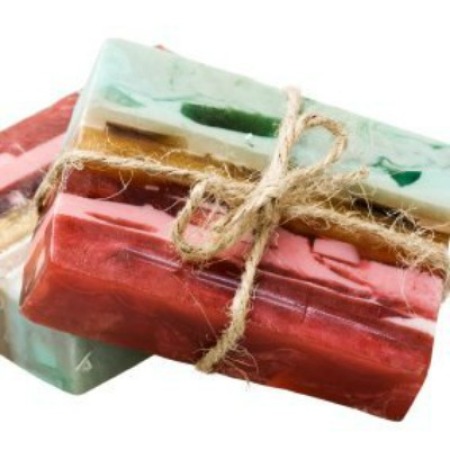
Aged lye soap can be very good when used as a complexion bar. This is a page about how to make lye soaps.
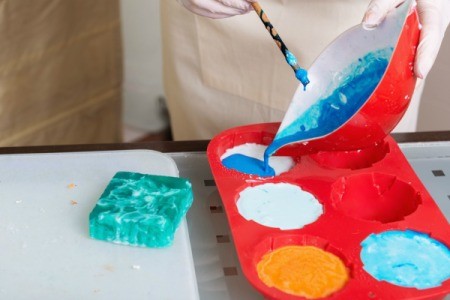
Melt your soap down using a double boiler method. Once melted, stir in your instant coffee or coffee grounds, powdered milk and coffee fragrance oil.