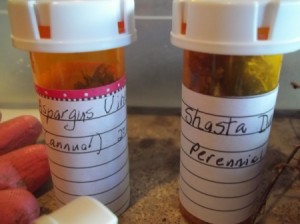
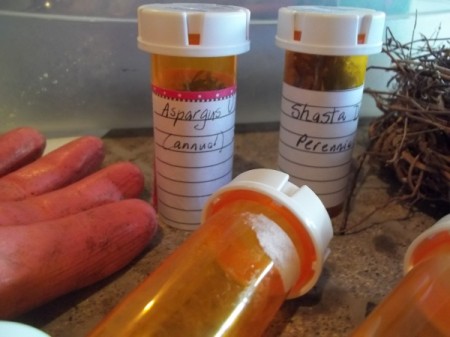
 I love to collect flower seeds from my own flowers to plant the next season or to share with others. I also like to collect from other places, but often found myself using napkins, or scrap paper as an impromptu container. Then it hit me! I started saving prescription bottles and added labels to them to use as collection containers! I keep a few in my car, large purse, and of course at home. Now I'm ready when I'm out and about where I can collect seeds!

This page contains the following solutions.
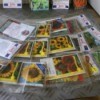
A word to those who have just found a stash of seed packets from last year or seen seeds on sale at a knockdown price at the garden center and want to know whether they're likely to grow.
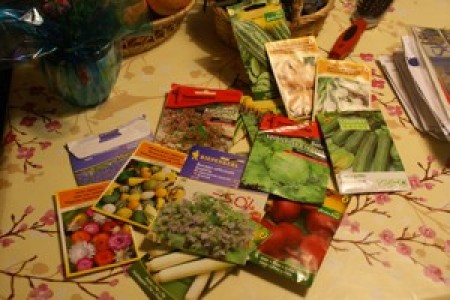
Do you save your seeds? Ever year label them and put them in your freezer. It will be fresh and damp. Just thaw and you are ready to plant. They will come up sooner.
To get the identical plant, you actually need to divide the plant. If you save the seeds, the flowers may be different than the parent plant.
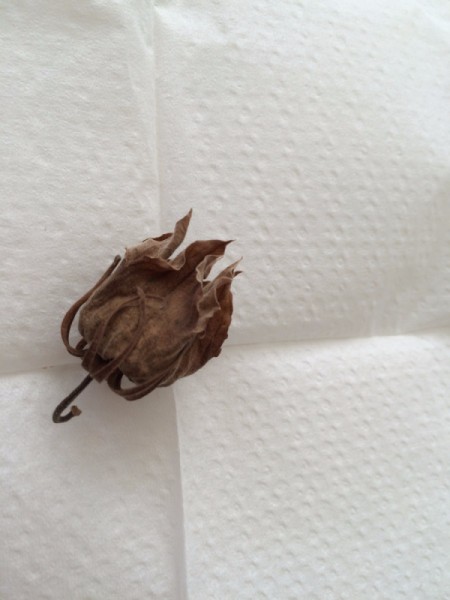
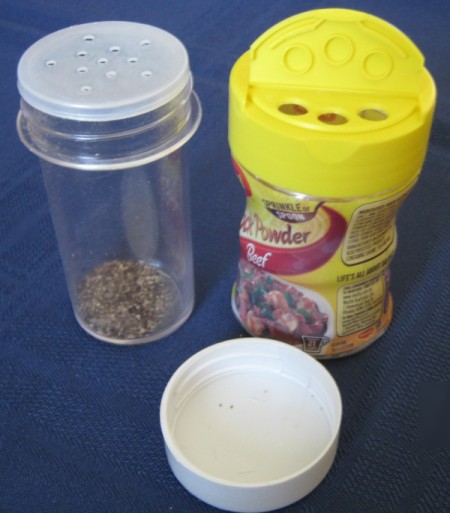
Don't throw away your empty spice jars or stock powder jars. I keep these to store seed that I have collected from my plants and flowers, The seeds stay nice and dry and easy to store and label.
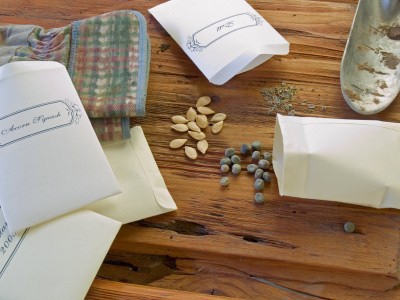
It is true that garden seeds germinate best when they are fresh. If dried and stored properly, some vegetable and flower seeds can remain viable for several years.
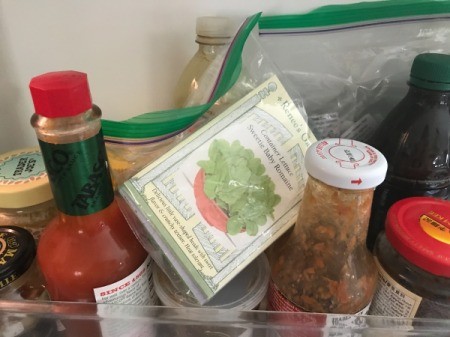
Make sure your seeds are completely dried. I have my seeds stored in a sealed Ziploc bag. By keeping your seeds in the fridge, you will not have to keep purchasing new seeds for every season, and the seeds will germinate better when it is time to plant them.
Line dinner plates with coffee filters to dry flower and garden seeds. When the seeds are dry, discard the coffee filters and store the seeds in a container lined with coffee filters.
Egg shells make good seed saving pots. Simple make a hole in the bottom of half a shell, fill with potting soil, place you seed or seeds in the soil, and then place in an empty egg carton.
Put seeds in glass jars with tight fitting lids. Store in cool, dry place. Seeds will last 2-3 years
Here are the questions asked by community members. Read on to see the answers provided by the ThriftyFun community.
What is the best way to save and store seeds from garden plants, when the harvest is finished?
Hardiness Zone: 1
By Janet McLaurin from Orlando, FL
Save them in a jar after they are dry, good luck.
I save them in envelopes. It's easy to label and store them.
You must store seeds in paper envelopes not plastic anything. It's also a good idea to freeze them for a couple of weeks and then transfer them to the very bottom of your refrigerator and keep them there till you are ready to use them.
I want to plant some peach seeds that I recently acquired, but everyone says to plant them in the fall. So what do I do with the seeds right now?
You can store them in the freezer in a ziplock bag, but really it is not too early to plant them, I would plant them in something like a CoolWhip container or a cottage cheese container. Put a few drainage holes in the bottom and make sure they don't dry out, and they should be sprouted and growing by fall. Then transplant them into the ground. I don't know what area you are in, but here in Arkansas, I had a peach tree that I started from a seed, and unfortunately, the weather never allowed me to reap much of a harvest.
I have already cut my buds off and striped the seeds on a wild sunflower. A bird must have dropped one to get it started. It was easily 8 feet tall with a 13 inch diameter seed bud. I got a bowl full of pretty seeds, like a lot man.
How can I store my seeds till next year to plant and enjoy? I probably should've researched a little before chopping the dang thing off, but I didn't. I'm kinda excited about this, so please respond. Thanks for reading this.
Hardiness Zone: 9a
By Craig Story from Baton Rouge, LA
ThriftyFun is one of the longest running frugal living communities on the Internet. These are archives of older discussions.
Tips for storing seeds. Seeds that you didn't get around to planting this year should be fine next year if stored properly. Most seeds can be stored for 3 to 4 years. The key will be storing the seeds in a cool, dry, and dark place. Keep the temperature between 40 and 50 degrees F.